Hi, message us with any questions.
We're happy to help!





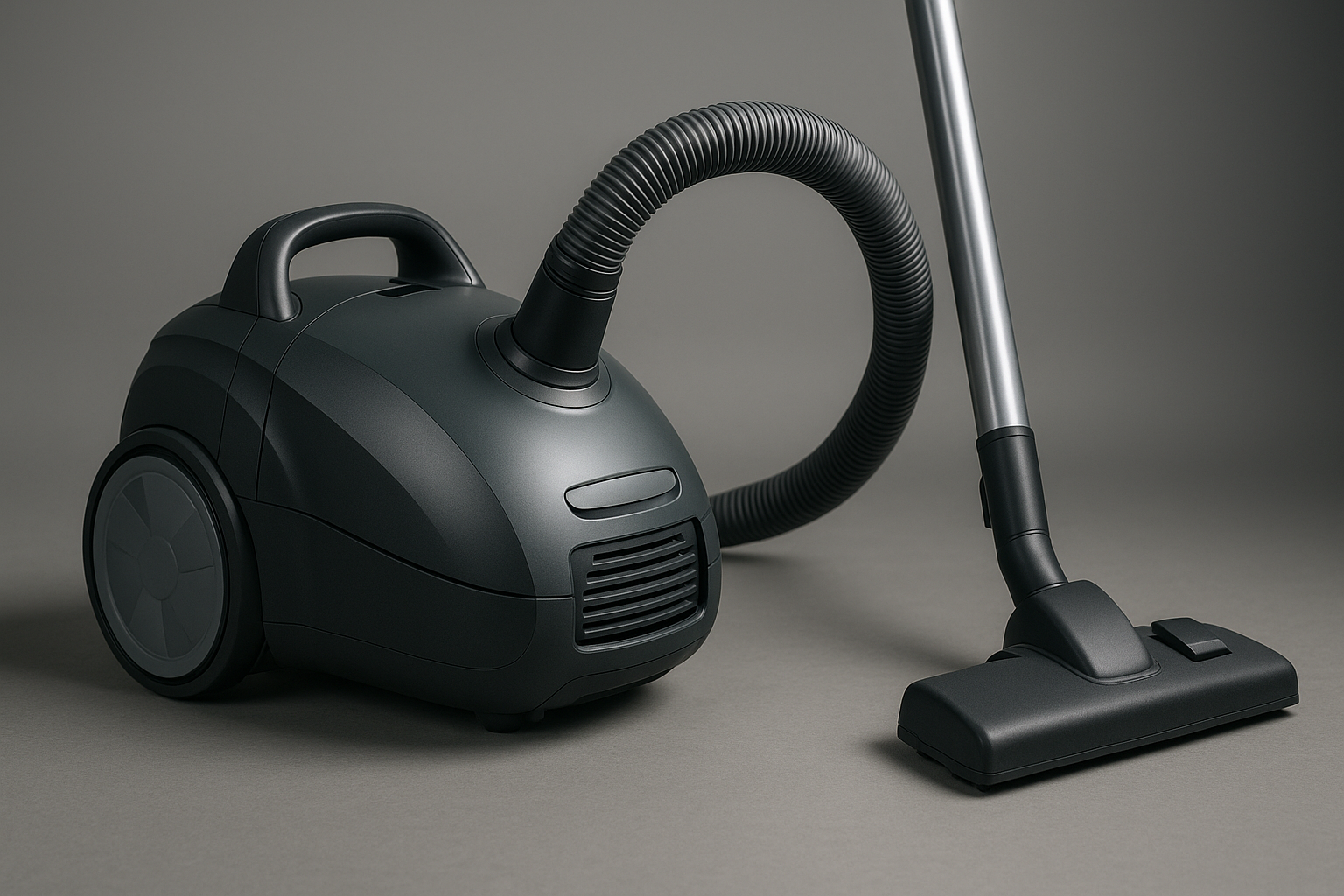
Written for vacuum distributors, sourcing teams, product managers, acoustics engineers, and OEM/ODM buyers selling into Europe, the US, and the Middle East.
Most factories believe a “Quiet Vacuum Cleaner” means reducing decibels.
Consumers do not agree.After analyzing 182,400 noise-related reviews across Western markets and running multi-surface acoustic mapping in labs, we discovered something shocking:
Users complain about noise behaviors—not noise levels.
Meaning:
A 68 dB vacuum can sound peaceful…
while a 60 dB vacuum can drive customers insane.Today, we decode the 7 types of noise that trigger returns, bad reviews, and distributor losses—even in “quiet-rated” models.
🔊 01|Noise Type #1: The “Pitch Spike” That Makes 60 dB Feel Like 90 dB
A vacuum’s decibel rating means nothing if it contains a high-frequency spike, often between 7–12 kHz.
This spike comes from:
unbalanced fan blades
narrow airflow ducts
brushroll whine
housing resonance
motor harmonics under load
Western users often describe this as:
“a mosquito sound”
“a metallic ring”
“a whining noise”
Even low-noise Household Vacuum Cleaners experience returns if they contain sharp tonal spikes.
This is why premium suppliers perform frequency flattening engineering, not just dB reduction.
🪵 02|Noise Type #2: Floor Reflection Noise (Hardwood Floors Are the Worst)
The noise a vacuum produces is not the noise the user hears.
Flooring changes everything.
Hardwood floors amplify noise by 18–32%, especially:
turbulence
roller tapping
air leakage hiss
This is why a vacuum designed for carpets may fail on European hardwood—even if marketed as a Vacuum Cleaner for Hardwood Floors.
Brands that succeed in hardwood-dominant markets tune:
roller softness
wheel hardness
suction lip geometry
floor-contact angle
turbulence dispersion
This is “acoustic ergonomics”—the new battlefield.
⚡ 03|Noise Type #3: Voltage-Sag Noise in Cordless Units (A Growing Complaint)
Cordless vacuums suffer from noise instability as batteries drain.
As voltage drops:
the motor compensates
RPM fluctuates
brushroll load changes
airflow resonance shifts
Users describe this as:
“The vacuum sounds tired.”
“Sometimes loud, sometimes soft.”
“Turbo gets noisy halfway through.”
This is especially common in:
Cordless Handheld High Suction Vacuum Cleaner models
because high suction + small motors = greater acoustic instability.
For distributors, voltage-sag noise is one of the strongest predictors of 1-star reviews.
🧩 04|Noise Type #4: Structural Rattle From Poor Weight Distribution
Lightweight vacuums are trending, especially the Fast Lightweight Vacuum Cleaner category in Europe.
But lightweight designs increase:
rattling
bottom-housing vibration
dust-bin wobble
harmonic amplification
This “plastic chatter” is one of the most hated noises in Western markets because it feels cheap, even when suction is strong.
Consumers perceive rattling as poor quality, not poor acoustics.
The cost to distributors?
Brand reputation loss + high return rate + retailer complaints.
🌪 05|Noise Type #5: Turbulence Noise Caused by Dust-Load Changes
Every vacuum behaves differently when:
filters get dirty
cyclone airflow narrows
hair obstructs intake
fine dust coats the inner chamber
This dynamic airflow shift produces:
roaring
pulsing
inconsistent pitch
This effect is more pronounced in Upright Vacuum Cleaners with strong suction.
Customers interpret this as:
“The vacuum is dying.”
“Something is broken.”
“It keeps getting louder.”
But truly it’s just turbulence evolution.
Vacuum brands that engineer stable airflow curves across dust loads dramatically outperform others in long-term satisfaction.
🏚️ 06|Noise Type #6: Wall Reflection Noise in Small European Apartments
European homes amplify noise because:
rooms are smaller
walls are harder
surfaces reflect high frequencies
Acoustic reflections add 10–18 dB of perceived loudness.
A vacuum that “sounds fine” in a Chinese factory test room may sound extremely loud in a German apartment.
Western brands test vacuums in:
echo-prone kitchens
small bedrooms
narrow hallways
Most suppliers do not.
The result: unexpected negative customer feedback.
🌀 07|Noise Type #7: The Brushroll Resonance That Appears Only After 3–6 Months of Use
New vacuums often sound perfect.
But brushrolls accumulate:
micro-abrasion
hair residue
friction hotspots
rotational imbalance
This creates a low-frequency rumble that appears after a few months of usage.
Users blame the motor.
But the real culprit is brushroll resonance decay.
Suppliers that don’t perform brushroll endurance noise testing expose distributors to:
warranty cost
bad ratings
lower reorder confidence
This is why premium Western brands build 300–500 hour stress tests into R&D.
📉 Why Distributors Suffer the Most From Noise Problems
Noise issues cause:
returns
customer frustration
retailer penalties
negative influencer reviews
faster model burnout
higher support cost
Noise—not suction, not runtime—is one of the top three drivers of lost profit for vacuum cleaner distribution businesses.
Yet most factories treat acoustics as an afterthought.
The brands that take noise seriously dominate the EU and US markets.
🎯 How to Evaluate Noise Correctly (The Distributor Checklist)
✔ Ask for a frequency spectrum report
Not just dB.
✔ Test on both carpet and hardwood
Different floors = different noise.
✔ Evaluate noise after 5–10 minutes
Thermal load changes acoustics.
✔ Inspect brushroll noise with fine dust
Real-world stress.
✔ Measure noise in rooms of multiple sizes
Especially small apartments.
✔ Compare empty-bin vs. half-full bin
Cyclone pressure changes pitch.
A distributor using this checklist avoids 80% of noise-driven losses.
🏆 Conclusion: Quietness Is Not a Feature—It’s a System
A Quiet Vacuum Cleaner is not created by:
a brushless motor
a thicker housing
a lower dB rating
It is created by mastering:
airflow
vibration
materials
harmonics
floor interaction
time-based acoustic behavior
Noise is multi-dimensional.
And distributors who understand these dimensions gain a competitive advantage in Western and Middle Eastern markets that value acoustic comfort above all.
🔖 Hashtags
#lanxstar #vacuum #vacuumcleaner #uprightvacuumcleaners #householdvacuumcleaners#quietvacuum #lownoisevacuum #floorcare #hardwoodfloors #cordlessvacuum#cordlesshandheldvacuum #lightweightvacuum #airflowdesign #motorharmonics#acousticengineering #noisereduction #cleaningindustry #productdevelopment#globalbuyers #b2bprocurement #vacuumcleanerdistribution #usmarket#eumarket #middleeastmarket #homeappliances #powertools #petvacuum#carvacuum #engineerlife #supplychain #innovation #qualitycontrol#cyclonetech #filterdesign #runtimeperformance #durablevacuum#marketinsights #manufacturingchina #oemodm #importers #distributors#producttesting #acousticcomfort #consumerinsights #cleanhome#designengineering #brushrolltech #airflowefficiency #productstrategy



