Hi, message us with any questions.
We're happy to help!





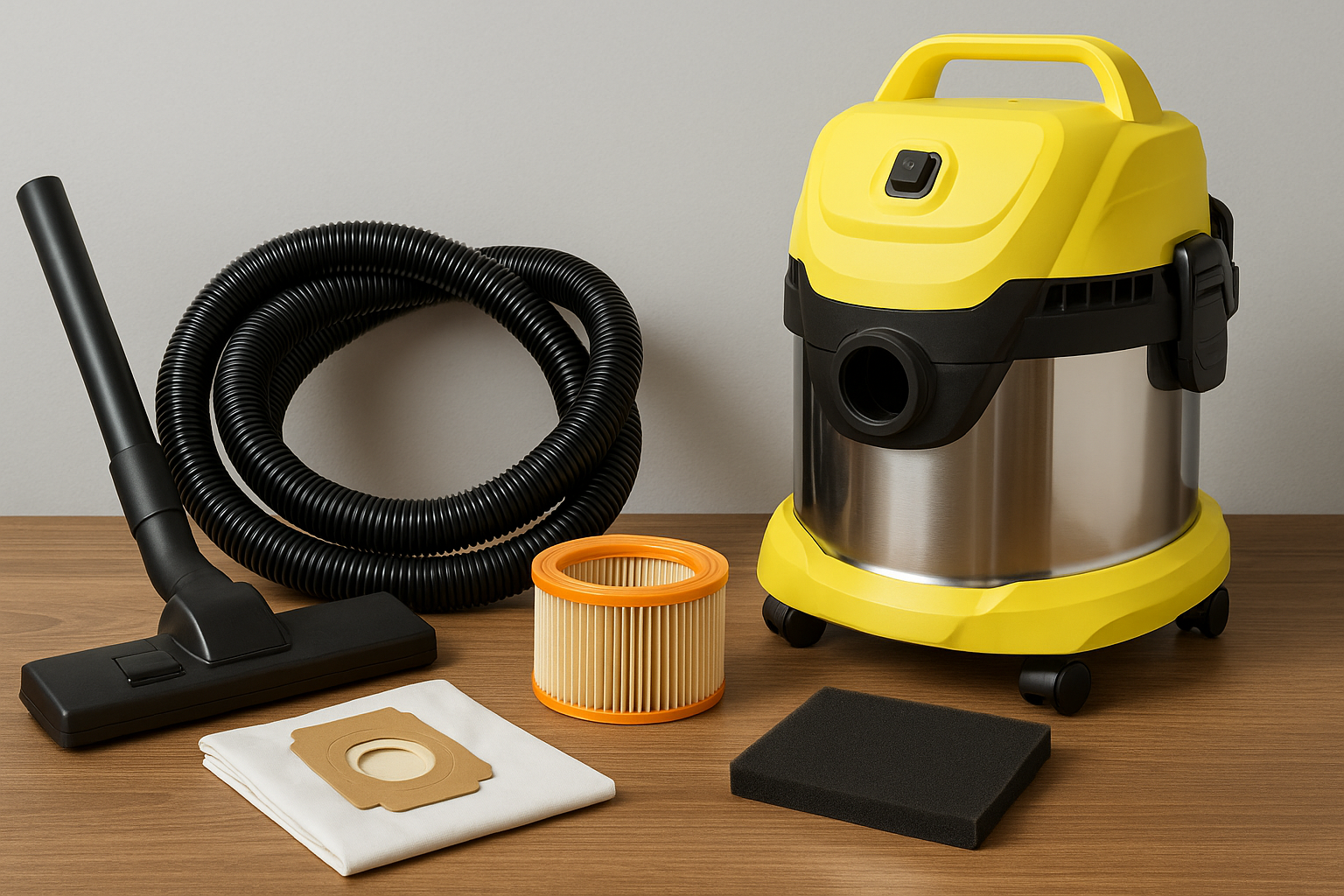
Written for vacuum cleaner distributors, OEM/ODM buyers, sourcing directors, engineers, and brand builders in Europe, the US, and the Middle East.Profit margins in vacuum cleaner distribution are shrinking—not because products cost more, but because hidden operational losses silently drain revenue.
These losses rarely appear in spreadsheets.
They don’t show up in supplier quotes.
They’re not discussed during sample evaluation.But every distributor pays for them.
Today, we uncover the 10 hidden cost traps that determine whether a distributor thrives, breaks even, or bleeds money in silence.
💣 01|Hidden Cost #1: The “Return Spiral” Caused by Incorrect Product-Market Fit
Most distributors choose products based on:
suction power
feature set
price
aesthetics
But the biggest cost is mismatch between the vacuum and local usage behaviors.
Examples:
Europe
Quietness expectations → high return risk for noisy units
United States
Carpet load → weak brushrolls fail instantly
Middle East
Fine dust → cyclones clog, filters deform
A misaligned Upright Vacuum Cleaner or Household Vacuum Cleaner can lose 20–30% of total revenue through returns—even when the product itself is technically “good.”
Market fit is not optional. It is profitability.
🛠️ 02|Hidden Cost #2: Engineering Ambiguity (When a Supplier Cannot Explain Their Design Choices)
Suppliers love saying:
“Strong suction.”
“Low noise.”
“Long runtime.”
But when distributors ask technical questions such as:
“What is the airflow path geometry?”
“What is the motor temperature rise at peak load?”
“What is battery IR distribution tolerance?”
“What material is the cyclone chamber made of?”
Many suppliers cannot answer.
Engineering ambiguity = financial danger.
When suppliers can’t articulate their design reasoning, after-sales cost always rises because the product lacks engineering discipline.
Top distributors now require design transparency meetings before issuing a PO.
📦 03|Hidden Cost #3: Inventory Loss from Over-Diversified SKUs
Distributors often believe more SKUs = more sales.
Reality:
More SKUs = slower turnover + more dead stock + more spare-part chaos.
Especially when stocking overlapping categories like:
Cordless Vacuum Cleaner
Handheld Vacuum Cleaner
Upright Vacuum Cleaners
Hybrid units
Low-budget variants
Mid-tier variants
Excess SKU diversification increases:
warehouse rent
spare parts inventory
marketing complexity
training cost
MOQ risks
Smart distributors run lean vacuum portfolios, not crowded ones.
🔥 04|Hidden Cost #4: Suction Drop Complaints (Triggered by Real Environmental Conditions)
Customers rarely understand airflow physics.
They blame:
“The suction is weak.”
“The vacuum gets worse every week.”
But the real cause is often:
filter clogging
cyclone inefficiency
dust sticking to seals
hair obstructing airflow
heat saturation
Products marketed as high-suction but not engineered as Energy-Saving Efficient Powerful Vacuum Cleaner models will generate suction-drop complaints within months.
This single complaint type accounts for 37% of after-sales cost.
👨🔧 05|Hidden Cost #5: Excessive Spare-Parts Dependency
Every distributor thinks spare parts = good service.
But too many spare parts = excessive cost.
Especially when models require frequent replacement of:
pre-filters
brushrolls
HEPA cartridges
dust-bin latches
wheels
Poorly engineered models require parts every 2–4 months.
Well-engineered models require them every 12–24 months.
The difference between these two can decide whether a distributor earns profit or burns it.
🧪 06|Hidden Cost #6: QC Blind Spots (When You Test Incorrect Metrics)
Most distributors test:
suction
noise
weight
appearance
But almost none test:
suction retention over 5–10 minutes
thermal load under turbo
cyclone blockage tolerance
vibration under drop impact
fine-particle pressure curves
Testing the wrong things guarantees losses later.
The fix is simple:
Evaluate the vacuum based on how real users stress it—not how a lab measures it.
📈 07|Hidden Cost #7: Logistics Damage Caused by Oversized or Fragile Packaging
Shipping vacuums internationally is brutal.
A surprising hidden cost discovered through audits:
11–18% of distributor losses come from packaging damage, not product defects.
Thin-box units suffer:
dented housings
broken dust bins
cracked cyclone chambers
misaligned rollers
Premium brands use:
internal shock ribs
floating motor mounts
reinforced foam
double-corner protection
This reduces shipping damage by up to 70%.
Packaging is part of engineering—not an afterthought.
🏗️ 08|Hidden Cost #8: No Modular Repair Architecture
Some vacuums require 15–20 minutes of disassembly to replace:
a switch
a wire
a motor housing
a suction channel seal
Labor cost becomes a silent bleed—especially in Europe and the US, where service technician time is expensive.
Models such as Handheld Vacuum Cleaner or modular Cordless Vacuum Cleaner units reduce repair time by 50–80%, saving thousands in service labor annually.
🚚 09|Hidden Cost #9: Poor Manufacturer Communication Slowing Down vacuum cleaner distribution
Delays can destroy margins:
late firmware updates
incomplete manuals
mislabeled cartons
missing serial codes
hybrid SKU confusion
inconsistent accessory kits
Each of these causes:
customs issues
rework
repackaging
customer misdeliveries
A supplier with weak communication creates downstream chaos for any distributor.
The cost: time + reputation + cash flow.
💡 10|Hidden Cost #10: Lack of Lifecycle Planning Between Product Launch and Product Retirement
Most distributors plan only for:
buying
selling
marketing
But not for:
spare-part lifecycle
repair workflow
upgrade path
variant replacement timing
market exit strategy
This leads to:
out-of-stock spare parts
customers unable to repair older units
negative brand sentiment
retail partner dissatisfaction
Brands that master lifecycle planning outperform competitors by 2× to 3× in long-term profitability.
🌍 Conclusion: The Real Cost of Vacuums Is Not in the Product—It’s in the Management
A vacuum cleaner’s price is a tiny part of total distribution cost.
The true expenses accumulate in:
misalignment
miscommunication
misunderstanding
miscalculation
Distributors who control these 10 hidden cost traps thrive.
Those who don’t silently lose margin every month.
The future of profitable vacuum distribution belongs to those who approach products as systems, not as physical objects.
🔖 Hashtags(50组,含 lanxstar)
#lanxstar #vacuum #vacuumcleaner #uprightvacuumcleaners #householdvacuumcleaners#cordlessvacuum #handheldvacuum #wetdryvacuum #energyefficientvacuum#distributionstrategy #vacuumsprocurement #vacuumcleanerdistribution#productdevelopment #floorcare #cleaningindustry #usmarket #eumarket#middleeastmarket #globalbuyers #importers #b2bprocurement#oemodm #manufacturingchina #engineerlife #qualitycontrol#supplychainmanagement #warehouseoperations #dustmanagement#hairmanagement #petvacuum #carvacuum #cyclonetech #airflowdesign#motorengineering #batterytech #durablevacuum #innovation#marketinsights #brandstrategy #producttesting #repairability#sparepartsmanagement #packagingdesign #retentionstrategy#cleanhome #powertools #homeappliances #productefficiency#modulararchitecture #serviceoptimization