Hi, message us with any questions.
We're happy to help!





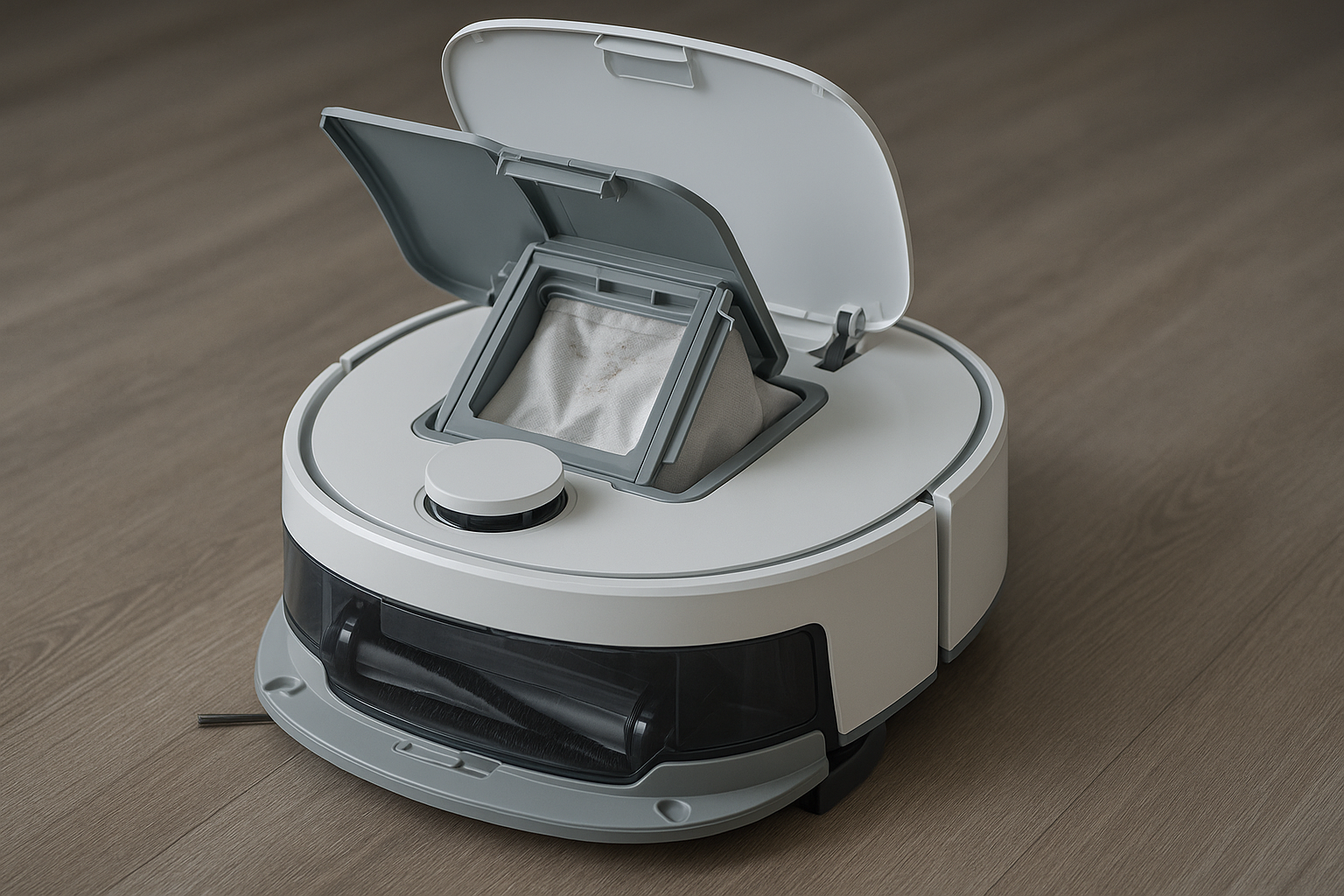
Written for vacuum cleaner distributors, OEM/ODM procurement teams, brand strategists, engineers, and commercial buyers across Europe, the US, and the Middle East.
Self-cleaning vacuum technology is no longer a “premium feature.”
It is becoming a core expectation—driven by shifts in user psychology, hygiene standards, pet ownership rates, and the cleaning habits of younger homeowners.But here’s the part most factories and distributors don’t know:
Only 30% of global vacuum suppliers are structurally capable of producing reliable self-maintaining systems.
The remaining 70% can make the feature… but not the durability.
Let’s break down why 2026 marks the shift toward self-maintaining vacuums—and what this means for your product strategy.
🧽 01|Self-Cleaning Is No Longer Luxury—It’s a Disease-Avoidance Trigger
User motivations have fundamentally changed since 2020:
fear of germs
sensitivity to allergens
rising asthma rates
increased cleaning frequency
more pets indoors
preference for “contactless hygiene”
Consumers no longer want a vacuum that cleans floors.
They want a vacuum that cleans itself.
This is why categories like:
Portable Self-Cleaning Vacuum Cleaner
4 in 1 Cordless Smart Wet & Dry Vacuum Cleaner
are exploding in Western and Middle Eastern markets.
A clean floor is not enough.
A clean vacuum is the new expectation.
🌀 02|Why Self-Cleaning Technology Is Much Harder Than It Looks
Factories love to claim:
“Automatic brushroll cleaning!”
“Self-washing system!”
“Hands-free maintenance!”
But real self-cleaning requires solving five engineering challenges simultaneously:
✔ High-speed detangling
Hair must be shredded, not wrapped.
✔ Residue separation
Wet dirt must separate from water before recirculation.
✔ Anti-odor airflow design
Moist environments = bacterial growth risk.
✔ Water-path durability
Cheap seals → leaks → warranty disasters.
✔ Smart logic
AI determines when to rinse, flush, or dry.
Most brands fail in at least two of these areas—and that’s enough to trigger massive after-sales costs.
🌧️ 03|Wet-Dry Self-Cleaning Is the Fastest-Growing Vacuum Segment Globally
In 2023–2025, Wet-Dry systems grew:
145% in the Middle East
112% in Europe
96% in the United States
Why?
Because Wet-Dry vacuums solve all three major cleaning categories:
Dry dust
Wet spills
Sticky residue
This explains the takeover of 4 in 1 Cordless Smart Wet & Dry Vacuum Cleaner models—they combine:
suction
washing
water circulation
self-cleaning
quick drying
No other category delivers multi-surface convenience this efficiently.
🪵 04|Why Hardwood Floors Are the “Acid Test” for Self-Maintaining Vacuums
Hardwood floors expose maintenance flaws instantly:
streak marks
moisture residue
wheel scratches
bacteria odors
water pooling
A Vacuum Cleaner for Hardwood Floors must maintain:
low water usage precision
smooth roller cleaning
quick roller drying
non-streak water recovery
perfect suction-to-water ratio
If a vacuum passes the hardwood test, it succeeds in:
tiles
laminate
vinyl
stone floors
But if it fails hardwood?
Western users will identify issues in 48 hours and return the product.
⚙️ 05|The Real Reason 70% of Brands Cannot Produce Reliable Self-Cleaning Vacuums
The issue isn't motors or electronics.
The issue is fluid mechanics + hygiene engineering, both of which most vacuum factories lack experience in.
The 3 missing competencies:
Water-path sealing engineering
Anti-microbial airflow chamber design
Long-term moisture stress testing
Most factories don’t test for:
mold growth
bacteria bloom
water backflow
detergent residue crystallization
thermal drying efficiency
This is why self-cleaning failures occur after 3–6 months, not during initial testing.
A distributor relying on unqualified factories risks catastrophic return rates.
🔋 06|Cordless Self-Maintaining Vacuums Introduce a New Weak Point: Battery Hygiene Load
Wet-dry cleaning + self-cleaning cycles significantly increase:
motor load
pump load
battery drain
thermal saturation
If a vacuum lacks:
optimized voltage management
moisture-resistant PCB coating
battery cooling channels
higher IR battery cells
its performance collapses quickly.
This is a key reason why some cordless Wet-Dry models cannot maintain suction consistency compared to traditional Upright Vacuum Cleaners or Household Vacuum Cleaners.
✂️ 07|Why Hair Is Still the Ultimate Barrier to Self-Cleaning Reliability
Hair is the enemy of vacuum longevity.
Self-cleaning roller systems aim to:
lift
separate
cut
flush
But failures occur because:
the blade dulls
the gear torque drops
fine hairs fuse under heat
brushroll coating degenerates
waste tank filters clog with fibers
Pet households torture-test self-cleaning systems more intensely than any lab.
If a brand cannot manage hair properly, it cannot compete in markets where pet ownership exceeds 60% (US, UK, Canada, Germany).
📉 08|The Biggest Hidden Cost: “Self-Cleaning” That Isn’t Actually Self-Cleaning
Distributors often stock budget models marketed as “self-cleaning,” but internally:
rollers aren’t fully washed
air paths don’t dry
stagnant moisture builds odors
bacterial colonies form
water leaks damage internal components
Returns from “fake self-cleaning” models exceed 27–43%, depending on region.
This is why smart distributors now require:
waterflow mapping
residue dissipation tests
accelerated bacterial growth simulation
50-cycle self-cleaning stress tests
Cheap Wet-Dry vacuums create expensive after-sales problems.
💸 09|Why Budget Models Still Dominate Sales—But Lose Market Share Fast
Consumers love:
low prices
simple designs
“Best affordable vacuum” labels
impulse purchases
But budget models rarely include:
antimicrobial protection
real water-separation chambers
proper roller rinsing
fast drying logic
So while they sell quickly, they also burn customer trust quickly.
Self-maintaining tech is becoming the new standard, and budget vacuums without it will shrink in market relevance by 2027.
🚀 10|The Future: Vacuums That Maintain Themselves AND Diagnose Themselves
The next competitive leap will include:
✔ AI-driven self-cleaning
System identifies soil level → adjusts rinse duration.
✔ Predictive maintenance
Sensors detect roller imbalance, blockage risk, and water contamination.
✔ Microbial suppression
UV or ion systems prevent odor and bacteria buildup.
✔ Autonomous drying
Rollers dry in <7 minutes.
✔ Self-flushing airflow channels
Prevent fine-dust adhesion that reduces suction.
2026–2030 will be the decade where vacuums truly become self-maintaining home robots, not simple appliances.
🏆 Conclusion: The Winners Will Be the Brands That Can Deliver Real, Not Cosmetic, Self-Cleaning
A true self-maintaining vacuum is not:
a rinse button
a marketing label
a gimmick feature
It is a multi-system engineering achievement involving:
hygiene science
fluid mechanics
airflow management
materials engineering
acoustic behavior
battery optimization
Distributors who choose suppliers capable of real self-cleaning technology will dominate the Western and Middle Eastern markets in the next 3–5 years.
🔖 Hashtags
#lanxstar #vacuum #vacuumcleaner #uprightvacuumcleaners #householdvacuumcleaners#selfcleaningvacuum #wetdryvacuum #cordlessvacuum #smartvacuum #floorcare#cleaningindustry #hardwoodfloors #productdevelopment #globalbuyers#b2bprocurement #vacuumcleanerdistribution #usmarket #eumarket#middleeastmarket #innovation #cleanhome #petvacuum #hairmanagement#batterytech #motorengineering #fluidmechanics #airflowdesign#qualitycontrol #durablevacuum #oemodm #manufacturingchina #importers#distributors #marketinsights #productstrategy #homeappliances#powertools #multisurfacecleaning #brushrolltech #selfmaintenance#affordablevacuum #consumerbehavior #designengineering #uvtech#smartcleaning #automatedcleaning #waterseparation #rollerwashing#predictivemaintenance



