Hi, message us with any questions.
We're happy to help!





 📊 Vacuum Market Insight 2026: Key Drivers
The vacuum cleaner market in 2026 will be influenced by a combination of technological innovations, shifting consumer behaviors, and evolving market dynamics. Let’s break down the key trends shaping the industry.
1. Technological Advancements in Smart Cleaning Solutions
The integration of artificial intelligence (AI), automation, and connectivity in vacuum cleaners is transforming the industry. Robotic vacuums, such as iRobot Roomba and Dyson 360 Eye, are becoming more intelligent, with features like self-emptying dustbins, voice control integration, and scheduling capabilities.
Market Insight: According to a 2025 report from MarketsandMarkets, the robotic vacuum cleaner market is expected to grow by 18% annually through 2026, driven by technological innovation and demand for automated home cleaning solutions.
2. Cordless Vacuum Cleaner Surge
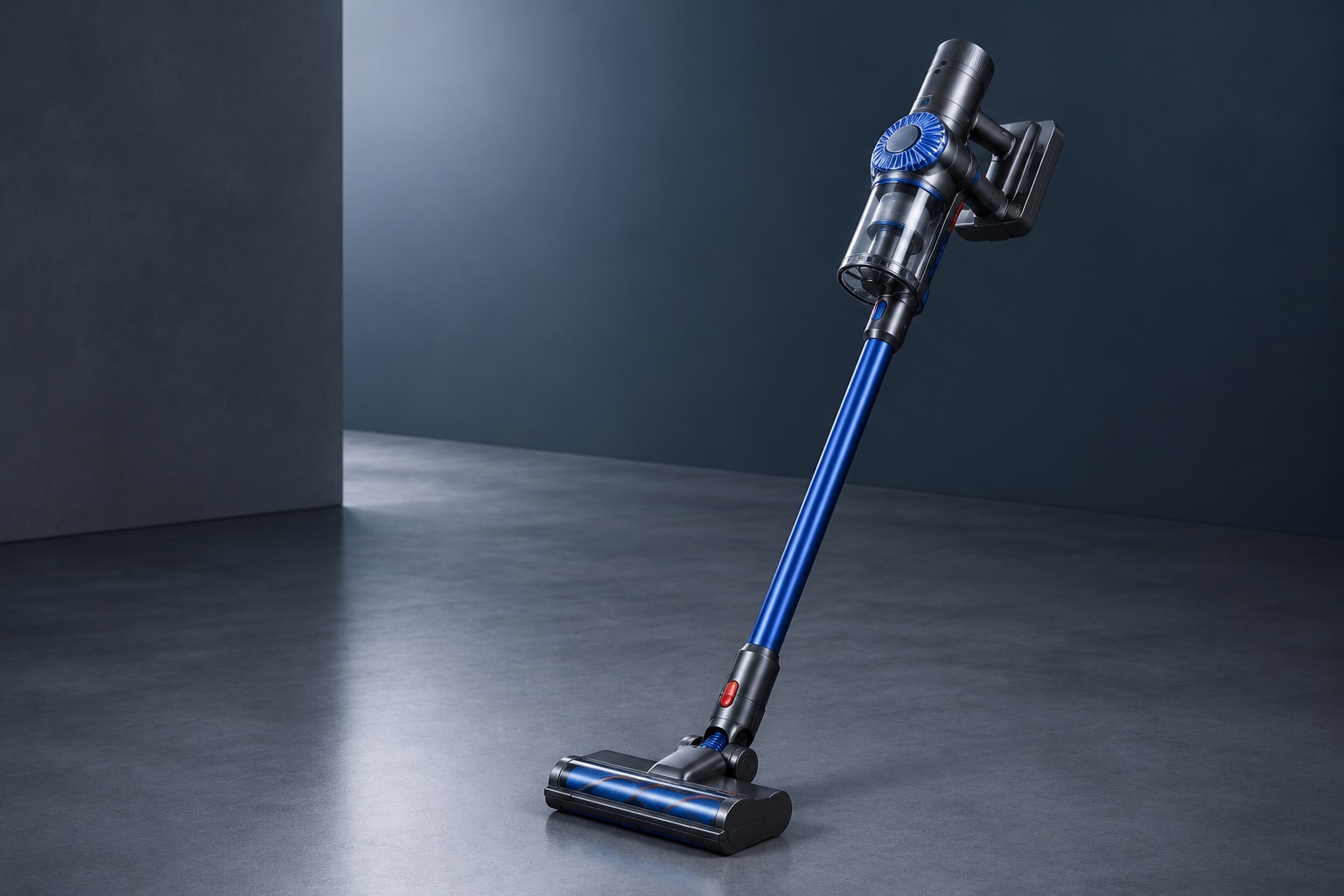
Cordless vacuum cleaners are gaining traction for their portability and convenience. These models are particularly popular among consumers who value lightweight design, ease of use, and the freedom to move around without being restricted by cords. Major brands like Dyson and Shark have embraced this shift, offering high-performance models with extended battery life.
Market Insight: Cordless vacuum cleaners are projected to account for 50% of the total vacuum cleaner sales by 2026 in North America and Europe, driven by rising consumer demand for convenience and portability.
3. Sustainability and Eco-Friendly Features
Environmental consciousness is increasing among consumers, prompting a shift toward sustainable products. In response, vacuum cleaner manufacturers are focusing on energy-efficient models, recyclable components, and reducing the use of harmful materials.
Market Insight: According to Euromonitor, the market for eco-friendly vacuum cleaners will grow by 15% annually through 2026 as consumers increasingly prioritize sustainability.
4. Regional Demand: Europe’s Growing Vacuum Cleaner Market
Europe is expected to maintain a significant share of the global vacuum cleaner market, driven by a combination of urbanization, higher disposable income, and increased demand for high-efficiency cleaning products. The market is also seeing strong demand for compact and powerful vacuum models that cater to small apartments and urban homes.
Market Insight: Europe’s vacuum cleaner market is set to grow by 8% annually through 2026, especially in urban regions where smaller, high-performance models are in demand.
5. Growth of the Cleaning Industry and Commercial Vacuum Demand
The commercial cleaning sector, including hotels, offices, and healthcare facilities, is another key driver of vacuum cleaner sales. As businesses prioritize cleanliness and hygiene, the demand for high-efficiency, durable commercial vacuum cleaners is increasing.
Market Insight: The commercial vacuum cleaner market is forecasted to grow at an annual rate of 9% through 2026, fueled by the growing emphasis on sanitation in businesses and commercial spaces.
🔧 Vacuum Cleaner Supplier and Wholesale Trends
For suppliers and wholesalers, staying ahead of these trends and adapting to consumer demand is critical. Below are some emerging strategies and market shifts.
1. Shift to Direct-to-Consumer (D2C) Sales
With the rise of e-commerce, many vacuum cleaner suppliers are focusing on building stronger direct relationships with consumers. Online channels offer suppliers the opportunity to provide personalized experiences, exclusive models, and quicker customer feedback.
Market Insight: Online sales of vacuum cleaners are expected to grow by 16% annually, with suppliers increasing their investments in e-commerce platforms and digital marketing.
2. Diversification of Product Offerings
To meet varying consumer needs, vacuum cleaner suppliers are diversifying their product portfolios. From budget models to high-end, feature-rich products, there is a growing emphasis on offering products that cater to niche markets, such as vacuums for pet owners or those with allergies.
Market Insight: Specialized vacuum cleaners, such as pet hair vacuums and allergy-friendly models, are projected to see an 18% increase in demand by 2026, as consumers seek more tailored solutions for their cleaning needs.
3. Private Label and OEM Opportunities
The growing demand for affordable yet reliable vacuum cleaners has driven interest in private-label products. Many suppliers and wholesalers are opting for OEM manufacturing, allowing them to offer competitive pricing without sacrificing quality.
Market Insight: By 2026, private-label vacuum cleaners are expected to represent 25% of the global vacuum cleaner market, offering a substantial opportunity for wholesalers to tap into the growing demand for cost-effective products.
🌱 Sustainability and Consumer Preferences
As consumer preferences shift towards sustainability, vacuum cleaner brands must evolve to meet these demands. Eco-friendly models are becoming a key selling point, and companies that integrate sustainable practices into their manufacturing processes are likely to see a rise in market share.
Recyclable Materials: Vacuum cleaner manufacturers are increasingly using recyclable plastic and materials in product design. Brands like Miele and Bosch have been leading the charge in eco-friendly design, integrating energy-efficient motors and biodegradable filters in their vacuum products.
Energy Efficiency: With growing concerns over energy consumption, energy-efficient models are expected to become a significant factor in the purchasing decision. According to Statista, the demand for energy-efficient home appliances, including vacuum cleaners, is expected to increase by 20% by 2026.
🏆 Future Outlook for the Vacuum Cleaner Market in 2026
In 2026, the vacuum cleaner market will be driven by technology, sustainability, and changing consumer preferences. Suppliers, wholesalers, and manufacturers must adapt to these trends by focusing on innovation, diversifying product offerings, and embracing e-commerce.
Technology: Smart and robotic vacuums will continue to lead the market, offering features like AI, voice control, and automated cleaning capabilities.
Sustainability: Eco-conscious consumers will drive demand for energy-efficient, recyclable, and environmentally friendly products.
Regional Trends: Europe will remain a dominant market, with growing demand for compact and efficient models, while the commercial sector will continue to expand due to increased sanitation standards.
By staying ahead of these trends and responding to market needs, suppliers can ensure their place in the competitive vacuum cleaner market in 2026.
Hashtags
VacuumCleanerMarketTrends, VacuumMarketInsight2026, VacuumCleanerSupplier, WholesaleVacuumCleaner, EuropeVacuumDemand, CleaningIndustryGrowth, CordlessVacuumCleaners, SmartVacuumTechnology, EcoFriendlyVacuum, RoboticVacuumCleaners, VacuumCleanerRetailers, CommercialVacuumMarket, VacuumCleanerSustainability, DirectToConsumerSales, PrivateLabelVacuumCleaner, VacuumCleanerInnovation, PetVacuumCleaner, AllergyVacuum, VacuumCleanerEcommerce, EuropeVacuumMarket, HouseholdVacuumTrends, VacuumCleanerManufacturers, VacuumCleanerProductDiversity, VacuumCleanerDemand2026, SustainableCleaningSolutions, VacuumCleanerConsumerTrends, RoboticVacuum2026, CommercialCleaningEquipment, VacuumCleanerGrowth2026, SmartHomeCleaning, VacuumCleanerMarketForecast, VacuumCleanerTechnologyTrends, ProfessionalCleaningServices, EcoVacuumCleaners, CordlessVacuumMarket, VacuumCleanerSupplyChain, VacuumCleanerMarketGrowth, VacuumCleanerTech2026, WholesaleVacuumSales, VacuumCleanerSpecialization, CleaningDeviceInnovation, EuropeanVacuumMarket2026, OnlineVacuumSales, VacuumCleanerInnovation2026, VacuumCleanerBusinessOpportunities, VacuumCleanerRetailGrowth, VacuumCleanerTechnologyInnovation, VacuumCleanerConsumerDemand, VacuumCleanerSalesTrends



