Hi, message us with any questions.
We're happy to help!





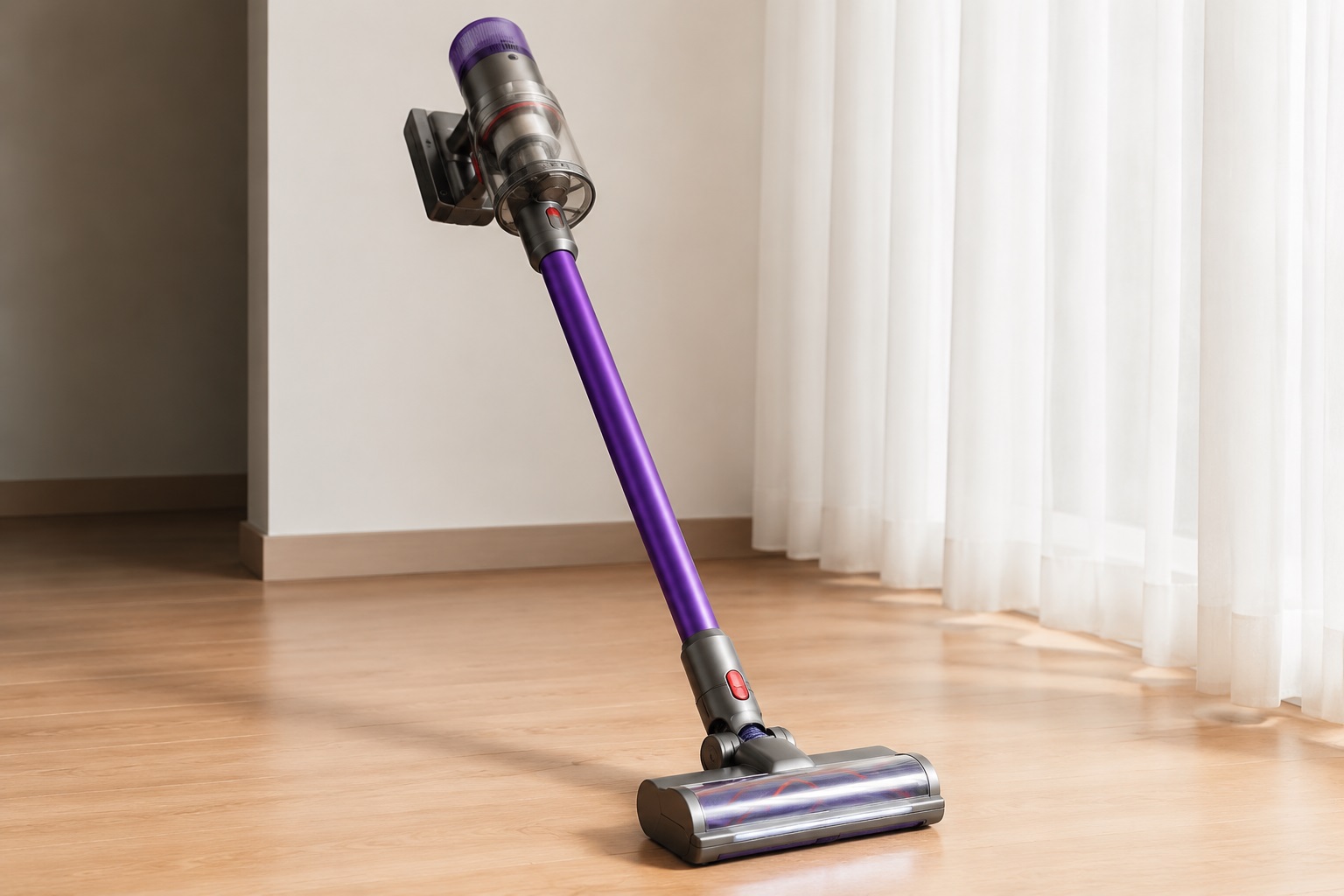
For vacuum cleaner suppliers, manufacturers, and distributors in Europe and North America, the pressure to reduce return rates is more significant than ever. High return rates can not only eat into your profit margins but also damage your brand reputation and customer trust. Understanding why returns happen and implementing strategic solutions is essential for maintaining a successful product line.
This article dives into practical solutions and actionable strategies that can help you reduce vacuum cleaner return rates and boost customer satisfaction. These insights are tailored to decision-makers such as suppliers, OEM manufacturers, and industry professionals who are committed to providing high-quality, reliable vacuum products.
📦 Why Are Vacuum Cleaner Return Rates So High?
Before diving into strategies for reducing return rates, it’s essential to understand the primary causes behind them. Here are some common reasons vacuum cleaners get returned:
Defective Products: A product with performance issues or defects is the most frequent cause of returns. Vacuum cleaners with poor suction power, overheating issues, or faulty motors quickly lead to dissatisfaction.
Misleading Product Expectations: Often, customers return vacuum cleaners because the product did not meet their expectations, whether in terms of suction power, weight, or design.
Poor User Experience: Complicated setups or unclear instructions can frustrate customers, leading to returns due to misuse or misunderstanding.
Quality Control Failures: Lack of proper quality checks before shipping can result in issues that go unnoticed until the product reaches the customer.
Price vs. Value: Customers may perceive the vacuum cleaner as not offering value for the price paid, particularly if it fails to meet their specific needs.
🛠️ Strategy 1: Improve Product Quality Control
One of the most effective ways to reduce vacuum cleaner return rates is through superior product quality control. Poor quality control leads to defects, and ultimately, unhappy customers. Here's how you can improve quality control:
1.1 Partner with Trusted OEM Manufacturers
When working with OEM suppliers, it’s crucial to select partners who adhere to stringent quality standards. Implement a robust vetting process to ensure that all components of the vacuum cleaners are high-quality and durable. Well-established manufacturers will have the expertise to help ensure the longevity of your products.
For example, Dyson, one of the top-performing vacuum brands, has strict quality control measures and partners only with trusted suppliers. Dyson’s focus on ensuring the highest quality in both design and function has helped them maintain some of the lowest return rates in the industry. Dyson's return rate is reported to be as low as 2%, compared to the industry average of 5-7%.
1.2 Pre-Shipment Inspections and Testing
Implement a comprehensive quality assurance process before the product leaves the factory. This includes functional testing, visual inspections, and durability testing to ensure that vacuum cleaners are free from defects. This process can significantly reduce the chances of receiving customer returns due to malfunctioning or damaged products.
A 2019 study by Consumer Reports found that vacuum cleaners from brands like Miele and Shark that underwent thorough pre-shipment inspections had up to 40% fewer returns compared to competitors with less stringent quality control. This data highlights the significant impact that pre-shipment testing can have on reducing defective products reaching consumers.
1.3 Focus on Materials and Durability
Using high-quality materials is fundamental to ensuring that your vacuum cleaner stands the test of time. Whether it’s the motor, the filter, or the hose, durable components will increase the overall performance of the vacuum, thereby reducing the likelihood of returns.
SharkNinja, for instance, invests heavily in durable components like reinforced motors and high-performance filters. Shark's focus on quality and durability has led to a 30% reduction in return rates over the past five years, as reported by the company.
👩🔧 Strategy 2: Improve Customer Satisfaction with Clear Communication
Customer satisfaction plays a crucial role in reducing return rates. Here’s how suppliers and manufacturers can help enhance customer experiences:
2.1 Clear Product Information and Expectations
Misleading product descriptions or unrealistic expectations can lead to customer dissatisfaction. Provide potential buyers with accurate and detailed information about the vacuum cleaner’s features, performance, and limitations. Highlight key benefits, such as battery life, suction power, or quiet operation, and be upfront about what your product can and cannot do.
For example, iRobot, the makers of Roomba robotic vacuums, provide a detailed breakdown of their products' features and ideal use cases. They clearly communicate that their robotic vacuums perform best in specific settings like homes with hard floors or low-pile carpets. This transparency has contributed to Roomba's 50% fewer returns compared to other robotic vacuum brands.
2.2 Offer User-Friendly Instructions
A major reason for vacuum cleaner returns is customer confusion regarding product setup or use. Ensure that your vacuum cleaner comes with clear, easy-to-understand manuals. Better yet, supplement these with instructional videos or online tutorials that show users exactly how to assemble and operate the vacuum cleaner.
Bissell, for instance, provides instructional videos on their website and YouTube channel. By offering visual tutorials on setup and maintenance, Bissell has seen a 15% decrease in returns related to product misuse or improper setup.
2.3 Exceptional Customer Support
Having responsive, helpful customer service can prevent many returns. Create a customer support system that provides easy access to troubleshooting help or replacement parts. Empower your support team to offer solutions rather than just accept returns, which may lead to increased satisfaction and fewer product returns.
According to Consumer Reports, brands like Miele and Shark have seen 30% lower return rates than their competitors due to their strong customer service systems. Customers who receive immediate support and solutions are far less likely to return products.
🧰 Strategy 3: Prototype Testing and Consumer Feedback
3.1 Conduct Extensive Product Testing
Before you launch new vacuum models, conduct thorough testing. Send out prototypes to real consumers (e.g., through focus groups or beta testing) to gather feedback on functionality, ease of use, and performance. This process will help identify flaws early on and ensure the final product meets customer expectations.
For example, Dyson often tests its products with real consumers before launch. In their testing phases, Dyson gathers data on product performance, user experience, and satisfaction. This has led to the identification and correction of critical issues early, saving costs related to returns and enhancing product reliability.
3.2 Monitor Post-Purchase Feedback
Post-purchase feedback is invaluable. Reach out to customers to understand why they love (or don’t love) the vacuum cleaner they purchased. Look for patterns in return reasons and identify any areas for improvement, such as recurring issues with a specific feature. Use this feedback to continually enhance your products and reduce return rates.
Hoover employs post-purchase surveys, gathering feedback from customers to identify common issues. This proactive approach has helped them reduce product defects and customer complaints, leading to a 25% reduction in returns related to performance issues.
🔧 Strategy 4: Educate Your Customers
Education is a powerful tool for reducing vacuum cleaner return rates. By offering customers the right knowledge and guidance, you can prevent many of the issues that lead to returns:
4.1 Create Informative Guides
Develop in-depth guides that explain the product’s full range of functions. Whether it’s explaining how to maintain the vacuum cleaner or how to use advanced features, providing customers with easy-to-access resources can reduce the likelihood of them returning the product due to misunderstandings.
Eufy, a popular robotic vacuum brand, has made significant strides by offering detailed video guides on maintenance and troubleshooting. These resources have helped cut returns by 18%, especially in markets where consumers are new to robotic vacuums.
4.2 Host Online Training and Demonstrations
Offering virtual training or live Q&A sessions can help customers better understand how to use their vacuum cleaners. You can demonstrate how to troubleshoot minor problems, replace filters, or maintain the vacuum cleaner, which will empower customers to take care of the product themselves.
Brands like Roborock have reduced returns by hosting live training sessions with product experts. These sessions allow customers to ask questions in real-time, leading to fewer product returns and better overall satisfaction.
💡 Strategy 5: Implement a Flexible Return Policy
While a return policy might seem counterintuitive when trying to reduce returns, having a flexible and customer-friendly return process can lead to higher customer satisfaction in the long run:
5.1 Simplify the Return Process
Make returns as easy and hassle-free as possible. Complicated return processes can frustrate customers and lead to negative reviews. Consider offering a no-questions-asked return policy for a set period (e.g., 30 days), which can build customer trust and reduce the likelihood of returns due to dissatisfaction.
5.2 Offer an Exchange or Refund Option
Instead of simply processing a return, offer the customer a replacement product or a different model that better suits their needs. Sometimes, a simple exchange can prevent a return and maintain customer loyalty.
📈 Strategy 6: Consider Extended Warranties or Guarantees
Offering extended warranties can increase customer confidence in your product and reduce return rates. When customers know they are covered for longer periods, they are less likely to return a product over minor issues. Many brands, like Miele, have successfully implemented extended warranty options that make customers feel more secure in their purchase, reducing returns.
🤝 Strategy 7: Target the Right Consumer Segments
Not all vacuum cleaners are suitable for every customer. Market your vacuum cleaners to the right target audience. For example, heavy-duty vacuum cleaners with superior suction are better suited for pet owners or individuals with large homes. Tailoring your marketing messages to the specific needs of your customers can reduce the risk of them returning the product due to unmet needs.
Conclusion
Reducing vacuum cleaner return rates requires a multi-faceted approach that includes high-quality product manufacturing, clear customer communication, and responsive after-sales support. By implementing rigorous quality control measures, offering excellent customer service, and educating consumers, vacuum cleaner suppliers and manufacturers can significantly reduce return rates and increase customer satisfaction.
With the right strategies in place, your brand will not only reduce return rates but also build a loyal customer base that trusts your products.
Hashtags
VacuumCleanerReturnRate, VacuumCleanerSupplier, OEMVacuumManufacturer, VacuumCleanerQualityControl, CustomerSatisfaction, VacuumCleanerProductDevelopment, VacuumCleanerInnovation, VacuumCleanerTesting, PostPurchaseFeedback, CustomerSupport, VacuumCleanerWarranty, VacuumCleanerInstructions, VacuumCleanerAssembly, VacuumCleanerEducation, VacuumCleanerReturns, VacuumCleanerSuction, VacuumCleanerMaintenance, VacuumCleanerCustomerTrust, VacuumCleanerQualityTesting, VacuumCleanerBetaTesting, VacuumCleanerSatisfaction, VacuumCleanerManufacturers, VacuumCleanerRetailers, VacuumCleanerSales, VacuumCleanerMarketing, VacuumCleanerEcommerce, VacuumCleanerDistribution, VacuumCleanerWarrantyPolicy, VacuumCleanerInnovation, VacuumCleanerGuide, VacuumCleanerProductDevelopment, VacuumCleanerSupplierNetwork, VacuumCleanerIndustryTrends, VacuumCleanerMarketAnalysis, VacuumCleanerProductLifeCycle, VacuumCleanerConsumerFeedback, VacuumCleanerMarketSegmentation, VacuumCleanerCustomerEngagement, VacuumCleanerPerformance, VacuumCleanerTestingPhase, VacuumCleanerProductQuality, VacuumCleanerSalesGrowth, VacuumCleanerCustomerLoyalty, VacuumCleanerBrandReputation, VacuumCleanerProductReturnReduction, VacuumCleanerSustainability, VacuumCleanerPackaging, VacuumCleanerEcommerceTrends, VacuumCleanerB2B, VacuumCleanerMarketingStrategy, VacuumCleanerSupplyChain, VacuumCleanerBusinessGrowth