Hi, message us with any questions.
We're happy to help!





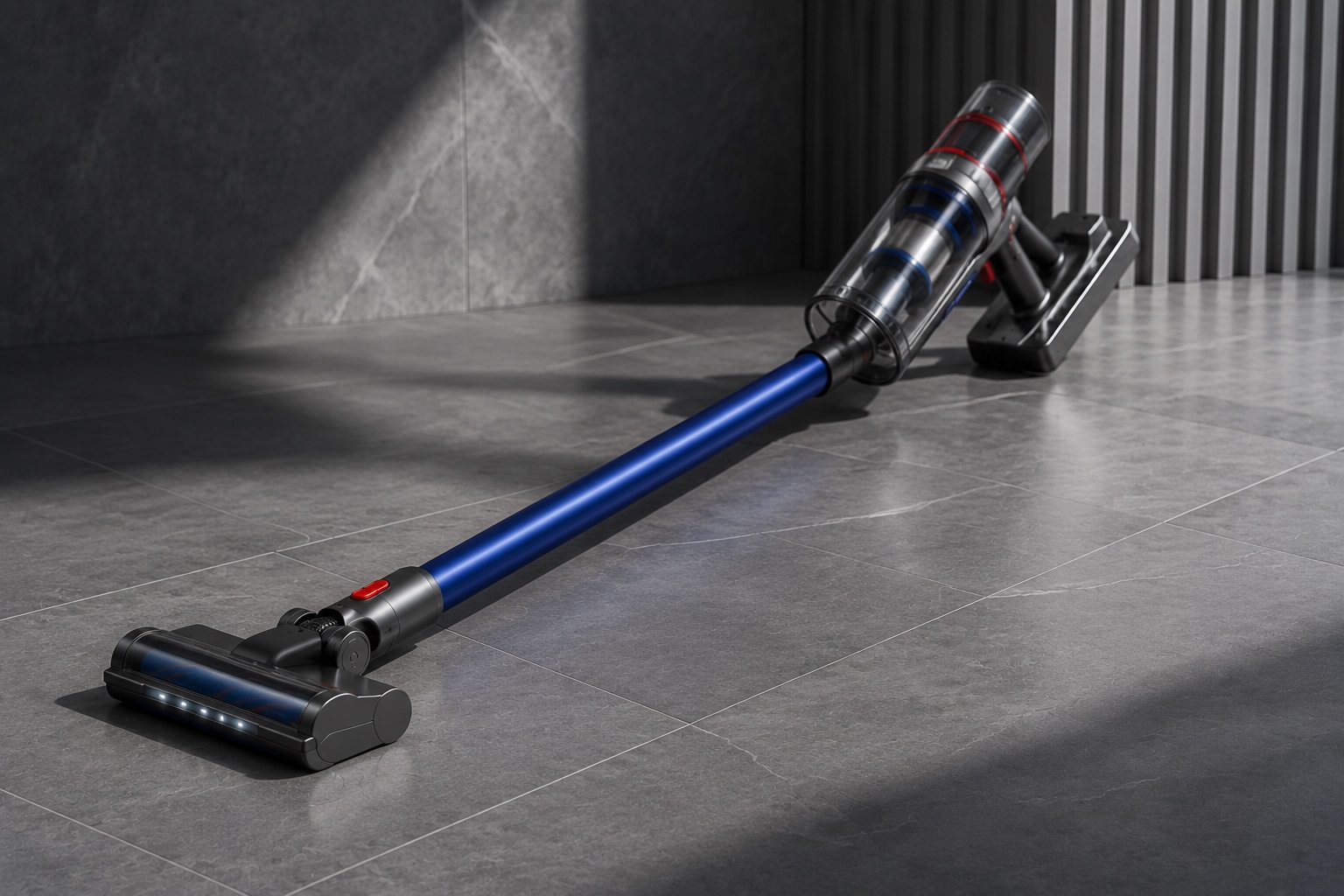
📦 Why Durability Matters in Vacuum Cleaners
Durability is essential for vacuum cleaners because it directly impacts the user experience and long-term satisfaction. Consumers expect their vacuums to perform well and last for many years. For manufacturers, using durable materials reduces the frequency of repairs and returns, ensuring customer loyalty. For industrial vacuum suppliers, durability is even more critical, as their products are often used in demanding environments that require robust performance.
Here are some of the best materials that contribute to the durability of vacuum cleaners:
🔧 1. Stainless Steel: The Industry Standard for Strength
Stainless steel is a widely used material for vacuum cleaner parts, especially in industrial models, due to its exceptional durability. It’s highly resistant to corrosion, rust, and stains, making it ideal for parts that will be exposed to moisture or harsh cleaning environments.
Uses: Stainless steel is used for motors, handles, pipes, and external casings in industrial vacuum models.
Advantages: It offers excellent strength, rust resistance, and easy cleaning, making it perfect for commercial and industrial environments.
Real-World Example: Nilfisk, a leader in industrial cleaning solutions, uses stainless steel in many of its high-end commercial vacuum cleaners, ensuring longevity even in extreme conditions.
Why It's Durable: Stainless steel is non-corrosive, highly resistant to physical damage, and withstands high temperatures. This makes it perfect for both industrial and commercial applications.
Market Insight: Stainless steel vacuum cleaners are especially popular in industries like manufacturing, healthcare, and food processing, where reliability and hygiene are critical.
🛠️ 2. High-Quality Plastic: Lightweight and Strong
High-quality plastic materials like ABS (Acrylonitrile Butadiene Styrene), polycarbonate, and polypropylene are frequently used in vacuum cleaner construction. These materials offer a great balance between durability and lightweight design, which is essential for consumer-grade vacuums.
Uses: High-quality plastics are used in vacuum cleaner bodies, dustbins, brush rolls, and accessory attachments.
Advantages: Plastic is cost-effective, lightweight, and can be molded into complex shapes, making it ideal for modern vacuum cleaner designs.
Real-World Example: Dyson uses high-quality ABS plastic for the body of its vacuums, ensuring both durability and ease of use while keeping the weight low.
Why It's Durable: High-quality plastics like ABS are resistant to impact, scratches, and wear, and some are heat-resistant, providing longevity even under regular usage.
Market Insight: High-quality plastic is particularly beneficial in cordless vacuum cleaners and handheld vacuums, where portability is a key factor.
🏅 3. Aluminum: Lightweight and Strong for Portable Designs
Aluminum is another material that is commonly used in vacuum cleaner construction. It’s prized for being lightweight yet strong, making it ideal for portable designs.
Uses: Aluminum is used in vacuum cleaner frames, extension tubes, and handles.
Advantages: Aluminum provides excellent strength-to-weight ratio and is highly resistant to corrosion, which is essential for both home and industrial models.
Real-World Example: Shark has incorporated aluminum frames in many of its lightweight models, improving maneuverability without sacrificing strength.
Why It's Durable: Aluminum’s resistance to rust and its low weight make it perfect for vacuums that need to be carried around or moved frequently.
Market Insight: Aluminum is particularly popular in upright vacuums and lightweight industrial vacuums, where strength and portability are required.
💪 4. Carbon Fiber: The Ultimate in Strength and Lightness
Carbon fiber is a high-performance material that’s gaining traction in the vacuum cleaner industry. Known for its remarkable strength-to-weight ratio, carbon fiber is used in high-end vacuums that require both durability and lightweight construction.
Uses: Carbon fiber is used in vacuum cleaner tubes, handles, and motor components.
Advantages: Carbon fiber is incredibly strong, lightweight, and resistant to wear. It’s also non-corrosive, making it ideal for high-performance vacuums.
Real-World Example: Dyson and Miele both use carbon fiber in premium models to improve overall strength and reduce weight, particularly in vacuum cleaner tubes and internal components.
Why It's Durable: Carbon fiber’s high tensile strength and resistance to damage make it a perfect choice for high-performance, professional, or commercial vacuum cleaners.
Market Insight: Carbon fiber is mostly found in high-end vacuum cleaners and commercial models that demand superior durability and lightness.
🏆 5. Rubber: Essential for Seals and Durability
Rubber plays a vital role in enhancing the durability of vacuum cleaners. It is commonly used in seals, gaskets, wheels, and flexible hoses. Rubber ensures tight seals and provides shock absorption, which helps to extend the life of the vacuum cleaner.
Uses: Rubber is used in vacuum seals, brush rolls, wheels, and flexible hoses.
Advantages: It provides flexibility, impact resistance, and excellent wear resistance, all of which are critical for long-lasting vacuum cleaners.
Real-World Example: Kärcher, a leader in industrial cleaning solutions, uses rubber in their industrial vacuum seals and wheels to improve both performance and longevity.
Why It's Durable: Rubber is resistant to abrasion, impacts, and environmental factors such as temperature fluctuations and moisture, making it ideal for both consumer and industrial vacuums.
Market Insight: Rubber components are particularly important for industrial vacuums that need to operate in diverse environments such as construction sites or factories.
🌱 6. Glass-Filled Nylon: Strength and Heat Resistance
Glass-filled nylon is a specialized material that offers excellent strength and heat resistance, making it ideal for demanding vacuum cleaner components.
Uses: Glass-filled nylon is used for gears, impellers, and motor housings.
Advantages: This material offers superior strength, resistance to heat, and dimensional stability, which is crucial for high-performance vacuum cleaners.
Real-World Example: Hoover uses glass-filled nylon for its heavy-duty vacuum cleaner motors, ensuring reliability under high-stress conditions.
Why It's Durable: The addition of glass fibers to nylon increases its durability, making it resistant to wear and heat, which is ideal for motor-heavy components.
Market Insight: Glass-filled nylon is becoming increasingly popular in industrial vacuums that require high torque and heat resistance for optimal performance.
🏁 Conclusion: Choosing the Right Materials for Durability
Selecting the right materials for vacuum cleaner construction is essential to ensuring durability, performance, and long-term reliability. For vacuum cleaner manufacturers and industrial vacuum suppliers, understanding the benefits of materials like stainless steel, high-quality plastics, aluminum, carbon fiber, and rubber is crucial for producing long-lasting, reliable products.
By using these durable materials, manufacturers can enhance product quality, minimize repairs and replacements, and meet the demands of both residential and industrial customers.
Hashtags
DurableVacuumMaterials, VacuumCleanerManufacturer, IndustrialVacuumSupplier, StainlessSteelVacuum, HighQualityPlastic, CarbonFiberVacuum, VacuumCleanerParts, DurableVacuumDesign, AluminumVacuumCleaner, RubberVacuumSeals, GlassFilledNylon, HighPerformanceVacuum, LongLastingVacuumCleaner, VacuumCleanerMaterialSelection, VacuumCleanerDurability, CommercialVacuumMaterials, VacuumCleanerManufacturing, VacuumCleanerIndustryTrends, IndustrialVacuumMaterials, VacuumCleanerInnovation, VacuumCleanerMaterialGuide, VacuumCleanerDurabilityTest, SustainableVacuumMaterials, DurableVacuumComponents, VacuumCleanerTechnology, HighEndVacuumCleanerMaterials, AdvancedVacuumMaterials