Hi, message us with any questions.
We're happy to help!





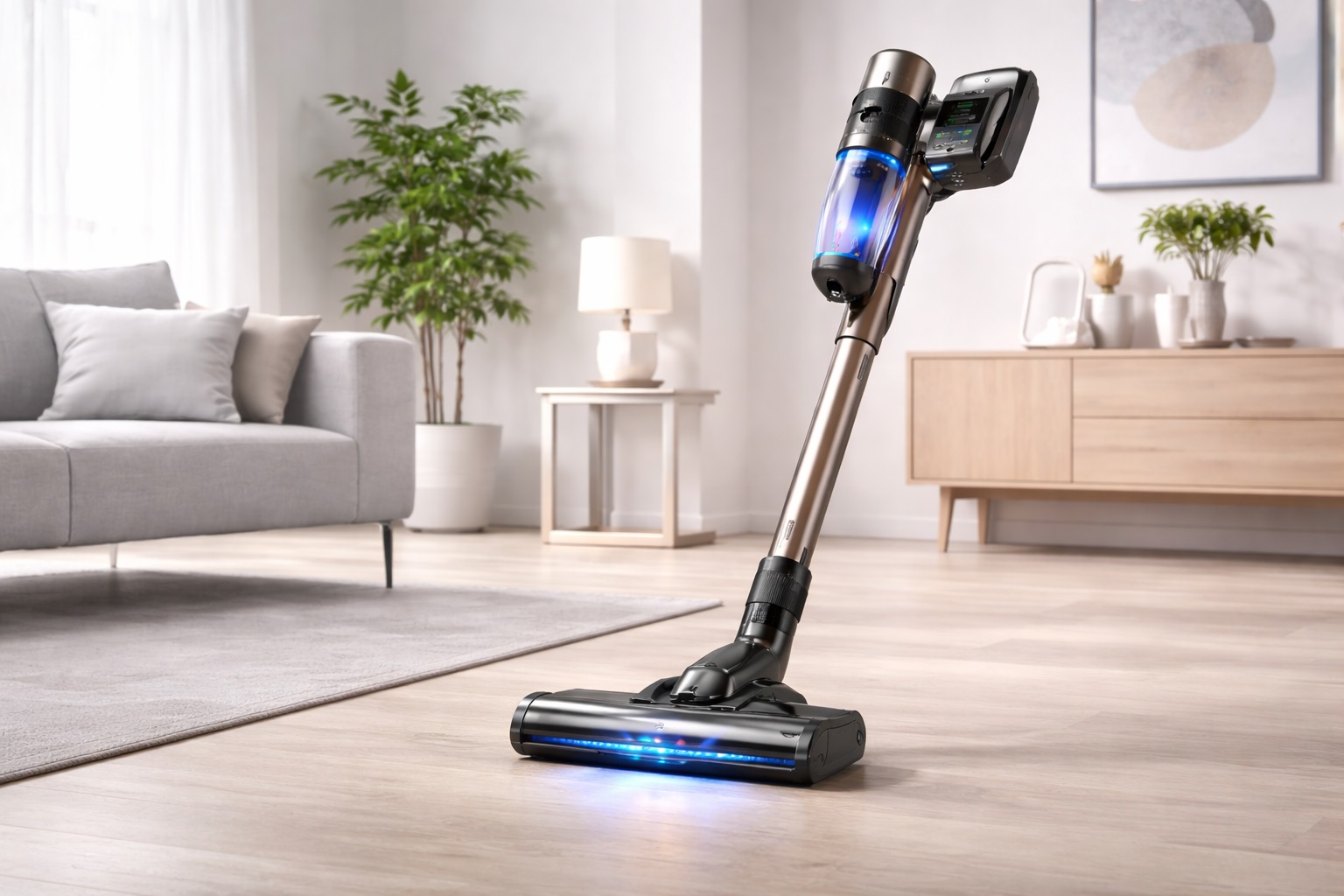
In the vacuum cleaner market, aesthetics are not “decoration.” They are a revenue lever. Before a consumer reads suction specs or sees a demo, they form a judgment in seconds: Does this look premium? Does it look clean and hygienic? Does it look quiet, powerful, and trustworthy?
That first impression affects click-through rates, conversion, and even review sentiment. For distributors, aesthetic consistency across a lineup makes shelves and product pages easier to merchandise. For procurement teams, good design can justify healthier margins—if it is paired with durable, test-backed performance.
This guide explains how to use vacuum cleaner aesthetics—industrial design, CMF (color/material/finish), form factor, and UI clarity—to create brand differentiation while staying practical for real-world maintenance and reliability.
I. Aesthetics influence perceived performance (even before use) 👀
Consumers often interpret visual cues as performance cues:
Sleek, tight panel gaps suggest durability and engineering care
Bulky, messy shapes suggest noise and inefficiency
Matte finishes can feel premium and “quiet,” while glossy plastics can look cheap
Clean geometry implies hygiene—critical for wet/dry products 💦
If you want to position a Portable Quiet Vacuum Cleaner, aesthetic cues should support “calm, refined, low-noise.” If you want a High Suction Vacuum Cleaner story, the visual language should communicate strength and control—without looking aggressive or industrial in a negative way.
II. Build a recognizable “design language” across the lineup 🧩
Top brands don’t design products one-by-one. They build a family identity:
consistent silhouette
consistent color strategy
consistent UI placement
consistent material finishes and textures
A recognizable design language helps consumers and distributors identify your products instantly—even on crowded marketplace pages. It also supports cross-selling between:
a primary Cordless Vacuum Cleaner
a Li-ion Cordless Handheld Vacuum Cleaner companion
wet/dry products like Wet Dry Vacuum Cleaners
Differentiation advantage: when the lineup looks cohesive, consumers assume the brand is “real,” not a random importer.
III. CMF strategy: color, material, finish that signals value 💎
CMF is one of the cheapest ways to create premium perception—if chosen intelligently.
1) Color = positioning
Soft neutrals (silver, white, light gray): clean, modern, “hygienic”
Deep tones (navy, charcoal): premium, quiet, professional
Accent colors (small, controlled): tech-forward, energetic, but must be consistent
For an Apartment Vacuum Cleaner or Quiet Vacuum for Night Use, muted colors often align better with “peaceful home” vibes 🌙. For pet-focused products (Vacuum Cleaner for Pet Hair), color accents can highlight anti-tangle features or pet tool kits without making the product look toy-like.
2) Finish = durability perception
Matte textures reduce fingerprint visibility
Subtle micro-textures hide scratches
Avoid large glossy surfaces where scuffs become obvious quickly
This matters especially in budget segments. If you’re targeting “value” searches like best vacuum on a budget or best affordable vacuum, the product must still look like it belongs in a modern home. Visible scuffs and cheap-looking plastics can destroy review sentiment even if performance is acceptable.
3) Material cues and tactile trust ✋
Users touch:
handle grips
dustbin latches
tank release points
buttons and triggers
Premium tactile design can differentiate a Fast Lightweight Vacuum Cleaner by making it feel solid and controlled—even if weight is low.
IV. Form factor: aesthetics that also improve cleaning UX 🧠
A good vacuum silhouette is not only pretty—it supports usability.
1) Balance and “visual lightness”
Slim profiles and clean lines communicate easy handling. This can reinforce a lightweight positioning—critical for a Fast Lightweight Vacuum Cleaner and portable products like cordless handheld vacuums.
2) Cleanability by design (especially for wet/dry) 💦
For Wet and Dry Vacuum Cleaner models, the product must look hygienic and be easy to keep hygienic:
fewer dirt-trapping creases
smooth internal corners in tanks
easy access points for rinsing
A wet/dry vacuum that looks “clean” but smells after a month is a brand disaster. Aesthetic design must support the hygiene lifecycle.
3) Visual clarity for multi-surface capability
If your product is positioned as Vacuum for Multi-Surface, a visible head design that looks capable on both hard floors and rugs increases consumer confidence. For Vacuum Cleaner for Hardwood Floors, soft-roller cues and gentle material finishes communicate “safe for delicate surfaces.”
V. UI and information design: clarity is a premium feature 🖥️
Many consumers equate “confusing” with “cheap.” Clear UI design reduces anxiety.
What good UI aesthetics look like
simple mode indicators (eco/standard/boost, or dry/wet)
readable icons and minimal text
lights that are visible but not harsh at night
intuitive placement so users don’t press buttons accidentally
This becomes critical for “smart” and wet/dry models. A 4 in 1 Cordless Smart Wet & Dry Vacuum Cleaner needs UI that guides behavior: dirty-water full alerts, self-clean prompts, and mode changes must be obvious without reading a manual.
VI. Aesthetics that support core technology positioning 🤫⚡😷
Aesthetic design can amplify technical differentiation when it matches the story.
Quiet + refined
For quiet vacuum cleaner positioning:
smooth, rounded forms
muted premium colors
minimal visual “aggression”
subtle vents and hidden seams
Powerful + controlled
For a High Suction Vacuum Cleaner:
stronger geometry lines
intentional “airflow” visual cues (without looking like a toy)
robust head design cues for debris pickup
Healthy + sealed
For HEPA Filter Vacuum Cleaner and Vacuum Cleaner for Allergies:
“clean system” cues: tight seals, clean bin edges, hygienic tank design
visual emphasis on filtration module access (but kept elegant)
VII. Durable beauty: the aesthetics that survive real life 🛠️
The quickest way to lose brand trust is a product that looks premium in photos but ages poorly:
paint chips around latch points
loose panels that create creaks
clear plastics that yellow
glossy surfaces that scratch easily
Aesthetic differentiation must survive:
daily handling
repeated tank removal (wet/dry)
dustbin emptying
accessory swapping
That’s why durability is part of the aesthetic system. A Multi-Functional Durable Vacuum Cleaner can look elegant and still be robust—if you design touch points and stress zones intentionally.
VIII. Packaging aesthetics: the first “unboxing marketing channel” 📦✨
For e-commerce and distribution, packaging is part of the aesthetic story:
clean lifestyle photography that matches the product look
clear “what’s included” layout (reduces returns)
icons for core benefits: quiet, HEPA, pet hair, wet/dry
drop-protection engineering so the product arrives looking perfect
Packaging must support channel needs, especially for vacuum cleaner distribution programs where shelf presentation and consistency improve sell-through.
Conclusion: Aesthetics isn’t art—it’s a measurable commercial advantage 🌟
Vacuum aesthetics differentiate brands by influencing click-through, perceived quality, and trust—before the vacuum even turns on. When design language, CMF, form factor, and UI clarity align with real performance (quiet comfort, strong pickup, sealed HEPA confidence, wet/dry hygiene), brands can charge healthier prices and reduce returns. Aesthetic consistency also helps distributors merchandise a lineup with confidence. ✅
www.lxvacuum.com
Related Keyword Groups
Lanxstar vacuum aesthetics, Lanxstar industrial design vacuum, vacuums procurement, vacuum cleaner distribution, vacuum design language strategy, CMF design for vacuum cleaners, premium matte finish vacuum, ergonomic handle grip design, Fast Lightweight Vacuum Cleaner visual cues, quiet vacuum cleaner premium look, Portable Quiet Vacuum Cleaner design cues, Quiet Vacuum for Night Use home-friendly styling, Apartment Vacuum Cleaner compact aesthetic, High Suction Vacuum Cleaner powerful look, Vacuum for Multi-Surface head design, Vacuum Cleaner for Hardwood Floors soft roller styling, Vacuum Cleaner for Pet Hair tool kit aesthetics, HEPA Filter Vacuum Cleaner clean system design, Vacuum Cleaner for Allergies sealed look, Wet Dry Vacuum Cleaners hygienic form factor, wet dry vacuum tank design aesthetics, Wet and Dry Vacuum Cleaner easy-clean surfaces, Self-Cleaning Vacuum Cleaner UI prompts, 4 in 1 Cordless Smart Wet & Dry Vacuum Cleaner interface design, Large-Capacity Wet Dry Vacuum Cleaner manageable styling, Cordless Vacuum Cleaner family identity, Li-ion Cordless Handheld Vacuum Cleaner companion design, cordless handheld vacuums premium tactile feel, Car Vacuum Cleaner compact accessory styling, Portable Vacuum for Travel minimal design, vibration and panel gap quality cues, scratch resistant texture strategy, fingerprint resistant plastic finish, durable latch area design, unboxing packaging for vacuum brands, e-commerce listing hero image styling, color palette for home appliances, minimalist vacuum cleaner styling, tech-forward vacuum accent color, premium control dial iconography, LED display readability for vacuums, hygienic tank corner radius design, easy wipe surface materials, accessory storage dock design, wall mount dock aesthetics, noise reduction vent concealment, airflow grille pattern anti-whistle, best vacuum on a budget premium look, best affordable vacuum design perception, best value hoover styling strategy, best value for money hoover packaging cues, distributor shelf presentation vacuum, brand consistency across vacuum lineup