Hi, message us with any questions.
We're happy to help!





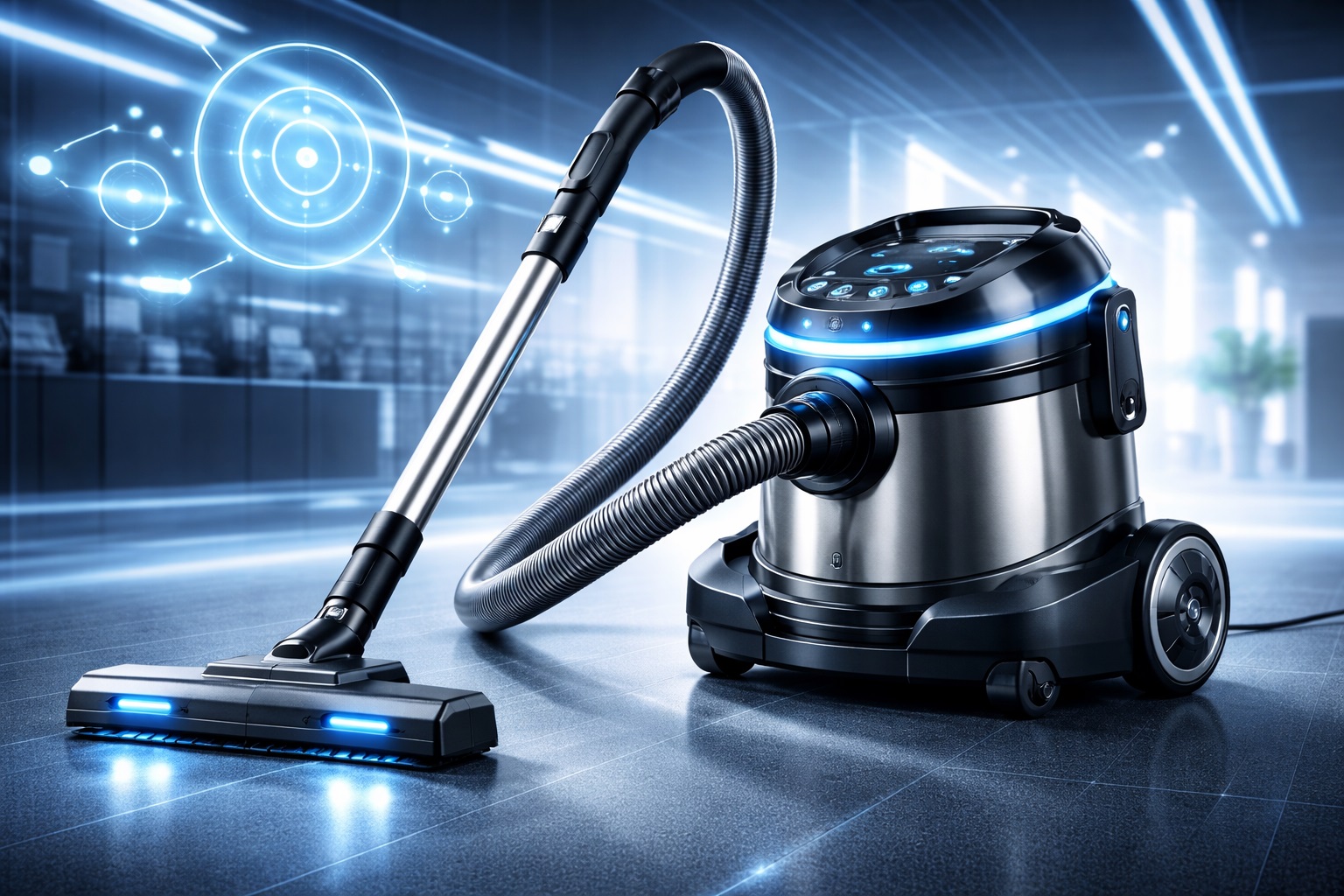
⚡ Wireless & Battery Innovations: Powering the Next Generation Vacuum Cleaners
Wireless technology has reshaped the vacuum cleaner landscape. By 2025, barrel vacuum cleaners are increasingly moving toward cordless operation without sacrificing power. High-capacity lithium‑ion batteries and advanced power management systems enable longer runtime and consistent suction, directly influencing energy‑saving efficient powerful vacuum cleaner designs.
Market Insight:
According to Fortune Business Insights, the cordless vacuum segment is projected to grow at a CAGR of over 14% through 2025, driven by consumer preference for flexible cleaning solutions in both homes and commercial spaces.
Case Spotlight:
A European manufacturer introduced a cordless barrel vacuum model in 2023 featuring a fast‑swap battery system. This design allows continuous cleaning in large facilities without downtime, a major selling point for B2B buyers in hospitality and facilities maintenance.
🤖 Smart Sensing & AI: From Manual to Intelligent Cleaning
By 2025, smart technologies are no longer optional add‑ons—they are expected features. Barrel vacuum cleaners are integrating AI‑driven sensors and software to adapt suction power automatically based on debris type and surface.
Key Technological Breakthroughs:
Smart Floor Detection: Automatically switches between carpet, hardwood, and tile.
Adaptive Suction Control: Conserves energy by increasing power only when necessary.
App‑Based Monitoring: Provides usage analytics and maintenance alerts to users.
Industry Data:
A report by Statista estimates that the smart home appliances market will surpass $150 billion by 2025, with AI‑enabled vacuum cleaners as one of the fastest‑growing subcategories.
Innovation Case:
A Middle Eastern facilities management firm deployed smart barrel vacuum cleaners across large shopping centers. Integrated IoT dashboards now track performance metrics, enabling predictive maintenance and reducing breakdown incidents by 37%.
🏢 Multifunction & Durability: Designed for Diverse Cleaning Needs
Today’s buyers expect versatility. Multi‑functional durable vacuum cleaners are engineered to handle wet/dry debris, commercial high‑traffic zones, and sensitive environments like medical facilities—all with the same core unit.
Advancement Highlights:
Wet & Dry Capabilities: Eliminates the need for separate units.
Heavy‑Duty Components: Reinforced hoses, metal latches, and industrial‑grade filters ensure longevity.
Modular Attachments: Quick‑connect floor heads and tools increase adaptability.
Market Insight:
Industry forecasts from MarketsandMarkets show the global commercial vacuum cleaner market growing to $7.5 billion by 2025, led by demand for rugged, long‑lasting professional units.
Case Example:
An American cleaning solutions provider reported that adopting a modular barrel vacuum with interchangeable heads reduced equipment costs by 22% across its national maintenance contracts.
🌙 Quiet Operation: Meeting Night‑Use Demands
Noise disruption remains a top concern for users in residential and commercial spaces. Barrel vacuum manufacturers are addressing this with advanced acoustic engineering—allowing quiet vacuum for night use without compromising suction.
Technological Enhancements:
Sound‑absorbing Housing Materials
Low‑Noise Motor Designs
Night‑Mode Power Profiles
Data Insight:
According to Global Market Insights, demand for low‑noise vacuum solutions is expected to grow by nearly 15% by 2025, driven by urban living trends and 24/7 commercial operations.
Case Study:
A hospitality group in Europe standardized on a barrel vacuum platform with under‑60dB operation. Staff reported improved guest satisfaction and cleaner night shifts without complaints about noise.
🦠 HEPA & Filtration Advances: Cleaner Air, Healthier Spaces
Health‑oriented cleaning is a key purchasing driver. HEPA filter vacuum cleaners are now a requirement in healthcare, education, and allergy‑sensitive environments.
Filtration Innovations:
True HEPA H13+ Systems: Capture 99.97% of particles ≥0.3 microns.
Multi‑Stage Filtration: Pre‑filter + HEPA + activated carbon for odor control.
Washable and Replaceable Filter Options: Reduce long‑term cost.
Market Insight:
Per Technavio, the HEPA vacuum segment is poised for a 10%+ growth rate through 2025, with hospital and institutional demand leading adoption.
Real‑World Adoption:
A major university switched to HEPA‑equipped barrel vacuums across campus facilities in 2024. Air quality monitoring demonstrated a 32% decrease in airborne allergens in classrooms and lecture halls.
🔋 Energy Efficiency: Sustainability Meets Performance
Environmental concerns and rising energy costs are shaping product specifications. Modern barrel vacuum cleaners incorporate:
High‑Efficiency Motors
Automatic Power Adjustment
Eco‑Mode for Light Cleaning Tasks
These features not only reduce energy consumption but also align with corporate sustainability goals in multinational facilities.
Data Insight:
A study by IEA highlights the impact of energy‑efficient appliances on building energy profiles—cleaning systems with smart power control can reduce facility energy use by up to 8% annually.
🧠 Conclusion: Why Innovation Matters in 2025
By 2025, barrel vacuum cleaners have transformed from traditional cleaning tools into intelligent, adaptable, and highly efficient machines. From energy‑saving efficient powerful vacuum cleaners to quiet night‑use models and multi‑functional durable units, the technological advances we’re seeing are driven by real industry needs:
✔ Efficiency and lower operating costs
✔ Improved air quality and health outcomes
✔ Better user experience through automation
✔ Sustainability and long‑term reliability
For vacuum cleaner manufacturers, distributors, and product developers, staying ahead means embracing these innovations and aligning product roadmaps with evolving customer expectations.
Hashtags:
Lanxstar, UprightVacuumCleaners, HouseholdVacuumCleaners, EnergySavingEfficientPowerfulVacuumCleaner, MultiFunctionalDurableVacuumCleaner, HEPAFilterVacuumCleaner, QuietVacuumForNightUse, SmartVacuumTechnology, IoTCleaningSolutions, BatteryPoweredVacuum, CordlessCleaningInnovation, CommercialCleaningTech, NoiseReductionVacuumSolutions, SustainableCleaningSolutions, SmartFiltrationSystems, AIAdaptiveCleaning, ModularVacuumDesign, HealthSafeCleaning, NightTimeCleaningTech, EcoFriendlyVacuum, IntelligentCleaningSystems, VacuumPerformanceEnhancement, LongLifeVacuumEngineering, CleaningIndustryTrends, SmartMaintenanceAnalytics, HighEfficiencyMotors, WetDryCleaningFlexibility, PredictiveMaintenance, UrbanLivingCleaningSolutions, ProfessionalCleaningEquipment, QuietOperationInnovation, EnergyEfficientCleaning, SmartHomeIntegration, CleanAirTechnology, DurableCleaningTools, AdvancedFiltrationTech, CommercialFacilityCleaning, HospitalGradeVacuum, AirQualityImprovement, RoboticAssistCleaning, SensorDrivenSuctionControl.



