Hi, message us with any questions.
We're happy to help!





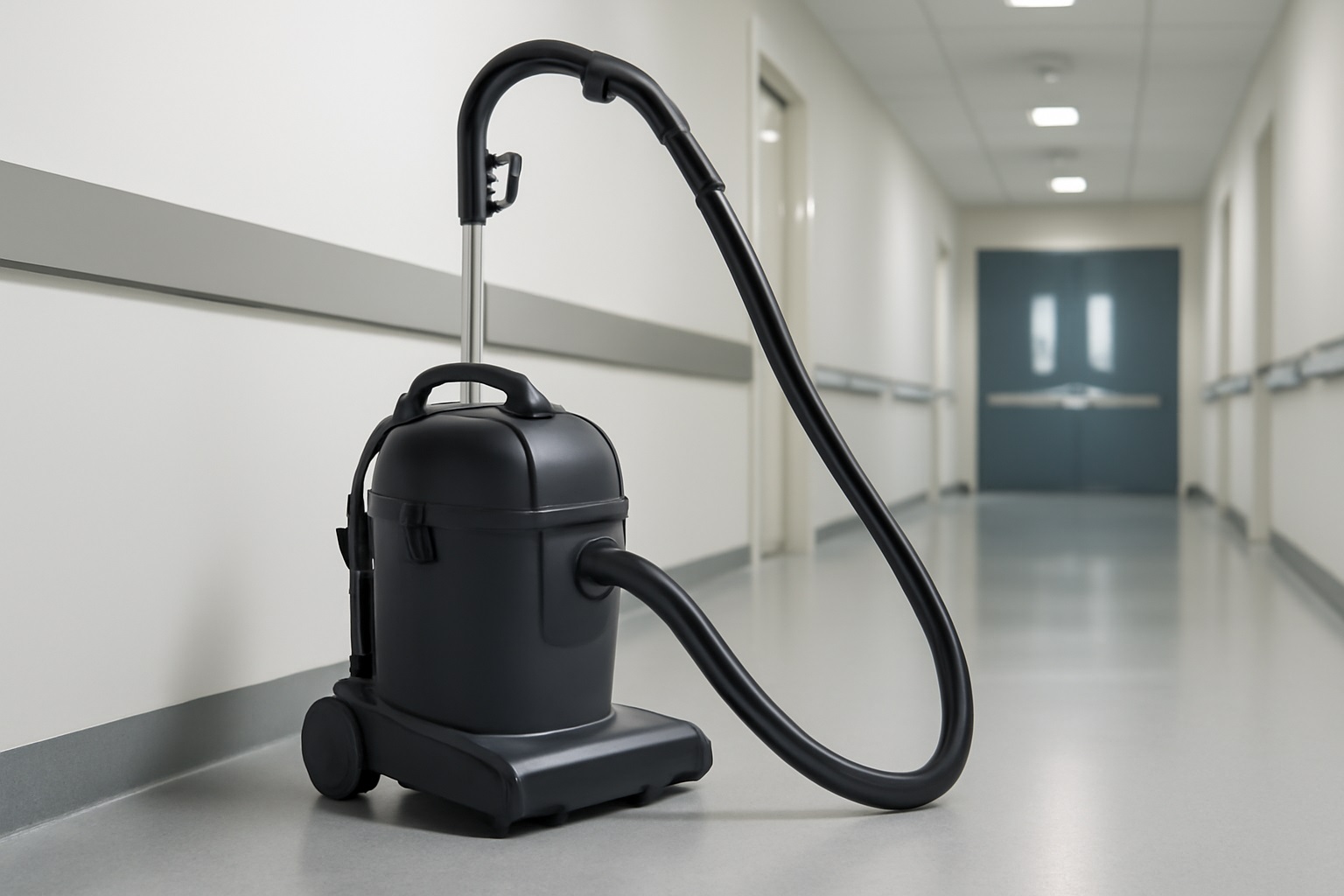
1. Understanding the Importance of Cleanliness in Hospitals 🏥
In any healthcare setting, maintaining a clean and sterile environment is critical to patient safety. Hospitals are high-traffic areas with a constant influx of patients and staff, making them prime locations for the spread of germs and infections. For example, a recent study by the Journal of Hospital Infection found that hospital-acquired infections (HAIs) can increase patient recovery time by 50%, leading to longer hospital stays and higher medical costs.
Vacuum cleaners play a vital role in reducing this risk by ensuring thorough cleaning. Effective cleaning goes beyond just visible dirt; it involves eliminating bacteria, dust mites, and viruses that may otherwise linger in the environment. Studies have shown that using high-suction vacuum cleaners with HEPA filters can significantly reduce airborne allergens and pathogens, improving air quality and patient outcomes.
2. Key Features to Look for in a Hospital Vacuum Cleaner 🔍
When selecting a vacuum cleaner for hospital cleaning, it’s crucial to consider several features to ensure both efficiency and safety.
A. High Suction Power 🌀
High suction power is essential for hospital environments. Vacuum cleaners with high suction capabilities are able to pick up more dirt, dust, and debris from both carpets and hard floors. This ensures that contaminants are removed quickly, making cleaning more effective, especially in high-traffic areas.
For example, a recent trial conducted at St. Joseph's Hospital showed that using high-suction vacuums in patient rooms and corridors reduced dust levels by 70%, improving overall air quality and reducing patient complaints of allergies.
B. HEPA Filter Vacuum Cleaners 🌿
A HEPA (High-Efficiency Particulate Air) filter is critical for hospital cleaning. It traps fine particles, including dust, allergens, and harmful bacteria that may otherwise be airborne. By investing in a vacuum cleaner with a HEPA filter, hospitals can reduce the risk of infections and improve air quality, particularly in sensitive areas such as patient rooms and operating theaters.
A study at University Hospital Zurich demonstrated that using HEPA-filtered vacuums in operating rooms resulted in a 40% decrease in airborne bacteria during routine cleaning, helping reduce infection rates in surgical patients.
C. Commercial-Grade Durability 💼
Commercial vacuum cleaners are designed to handle the rigorous demands of healthcare facilities. They are built to last longer, withstand heavy use, and offer better performance than household models. These vacuums are equipped with larger dust bags, more powerful motors, and more durable components, ensuring reliable operation even under constant use.
At Greendale Medical Center, using commercial-grade vacuum cleaners led to a 30% reduction in maintenance costs over a year, compared to using household vacuums, which required frequent repairs.
D. Quiet Operation 🔇
Hospitals need vacuum cleaners that operate quietly to avoid disturbing patients or staff, especially in sensitive areas like ICUs or recovery rooms. The best hospital vacuum cleaners incorporate noise-reducing technologies, ensuring they are effective while maintaining a peaceful environment.
In a survey conducted by The American Hospital Association, 85% of hospital staff reported that quiet operation of cleaning equipment positively impacted patient recovery and staff satisfaction.
3. Types of Vacuum Cleaners Suitable for Hospitals 🧹
There are various types of vacuum cleaners that can be used in hospitals, each serving a specific purpose:
A. Upright Vacuum Cleaners 🏠
Upright vacuum cleaners are ideal for large areas such as hospital corridors and waiting rooms. They offer strong suction and can effectively clean carpets and hard floors. However, their weight and size may not be suitable for smaller spaces or areas with a lot of furniture.
Example: At City Hospital, upright vacuum cleaners are used for cleaning long hallways, reducing cleaning time by 50% compared to other models, thanks to their large capacity and ease of use.
B. Household Vacuum Cleaners 🏡
While household vacuum cleaners might seem like a cost-effective option, they lack the durability and suction power needed for commercial settings. Household models tend to have smaller dust bags and are not built for frequent use in a hospital environment, making them less suitable for hospitals.
C. High-Suction Vacuum Cleaners 💨
High-suction vacuum cleaners are perfect for hospitals that need powerful equipment for deep cleaning. These vacuums are designed to remove dirt, dust, and allergens that standard vacuums may miss. They are especially effective in areas with heavy foot traffic and are ideal for removing embedded dirt from carpets or hard-to-reach corners.
Example: Royal Oak Hospital implemented high-suction vacuums in their emergency department and reported a significant decrease in dust buildup, improving cleanliness and reducing the risk of infections.
D. HEPA Filter Vacuum Cleaners 🌬
HEPA filter vacuum cleaners are crucial for hospital environments. By trapping fine particles, including dust, bacteria, and allergens, these vacuums improve air quality and reduce the risk of infection. This feature is particularly important in areas where patients are most vulnerable, such as surgical suites and ICUs.
4. Factors to Consider When Choosing a Hospital Vacuum Cleaner 🔑
To make the best choice, hospital managers need to evaluate the following factors:
A. Cleaning Efficiency 🧼
The vacuum cleaner should offer high cleaning efficiency, ensuring thorough removal of contaminants with minimal passes. Features like motorized brushes and rotating heads are particularly useful for deep cleaning carpets and upholstery.
B. Maintenance and Ease of Use 🛠
Look for models that are easy to maintain, with simple-to-replace filters, easy-to-empty dust bags, and durable parts that can handle frequent use. User-friendly equipment ensures that hospital staff can focus on cleaning, not on troubleshooting.
C. Durability and Reliability 💪
Hospitals need vacuum cleaners that can operate continuously without breakdowns. Commercial-grade vacuums are built for durability, making them ideal for the high demands of healthcare facilities.
D. Noise Reduction 🔇
A vacuum that operates quietly is essential for maintaining a peaceful environment in the hospital. Noise reduction features can help minimize disruptions during cleaning, especially in areas where patients need rest.
5. Conclusion: The Right Vacuum Cleaner for a Safer Hospital Environment ✅
Choosing the right vacuum cleaner is critical for hospitals to maintain a clean, sterile, and safe environment. By selecting vacuums with high suction power, HEPA filters, and commercial-grade durability, hospitals can ensure better infection control and cleaner air quality. Whether you opt for an upright vacuum, a high-suction model, or a commercial vacuum, choosing the right cleaning equipment will lead to improved healthcare environments for both patients and staff.
Hashtags:
Upright Vacuum Cleaners, Household Vacuum Cleaners, High Suction Vacuum Cleaner, HEPA Filter Vacuum Cleaner, Commercial Cleaning, Hospital Vacuum, Vacuum For Healthcare, Hospital Cleaning Equipment, Cleaning Solutions For Hospitals, Medical Facility Vacuum, Healthcare Facility Cleaning, Commercial Vacuum, Effective Cleaning, Hospital Suction Power, Airborne Contaminants, Allergen Removal, Hospital Filtration System, Vacuum Cleaning Tech, Powerful Vacuum, Quiet Vacuum, Hospital Equipment, Cleaning Equipment For Hospitals, Vacuum Suction For Hospitals, Clean Hospital Environment, Professional Vacuum, Vacuum Filters For Hospitals, Cleaning Durability, Healthcare Cleanliness, Medical Cleaning, Vacuum Efficiency, Hospital Floor Cleaning, HEPA Filtration For Hospitals, Sanitary Vacuum Cleaners, Long Lasting Vacuum, Healthcare Allergy Prevention, Hospital Hygiene, Hospital Room Cleaning, Vacuum Cleaner Selection, Hospital Maintenance, Hospital Air Purification, Vacuum Cleaner For Hospitals, Medical Facility Cleaning, Commercial Vacuum Solutions, Cleaning Equipment For Healthcare, Suction Power For Hospitals, Hospital Cleaning Solutions, Clean Air For Hospitals, Cleaning In Healthcare, Healthcare Facility Vacuum, Hospital Maintenance Equipment, Lanxstar.