Hi, message us with any questions.
We're happy to help!





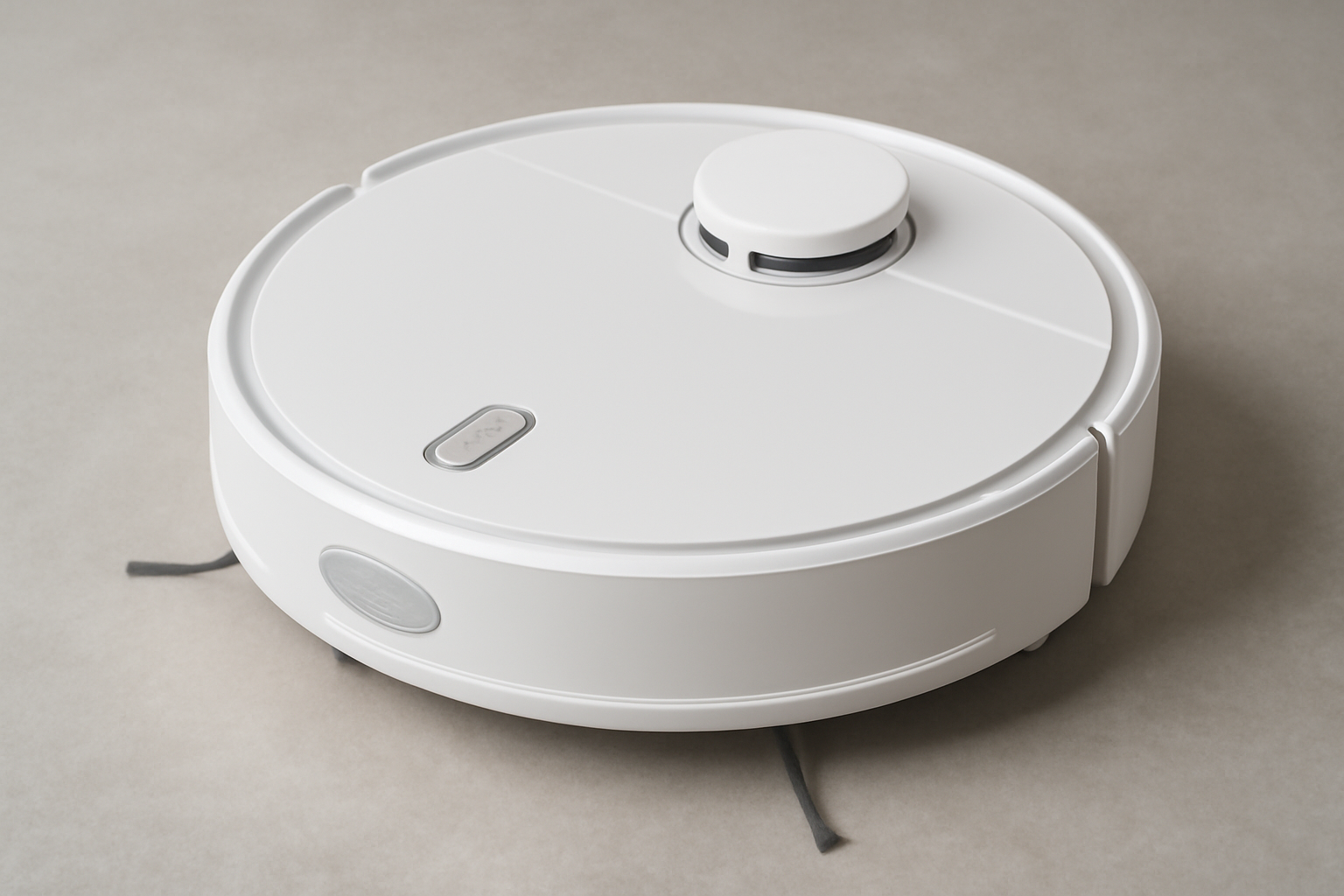
For decades, commercial cleaning has been a labor-intensive, low-margin, repetitive industry. Offices, malls, airports, and corporate facilities relied on large cleaning teams, manual equipment, and scheduled workflows that rarely adapted to real-world use patterns.
But the landscape is shifting.
Across Europe, the Middle East, and North America, a new cleaning ecosystem is emerging—one powered by:
autonomous cleaning robots
cloud-based monitoring platforms
subscription billing models
predictive maintenance systems
energy-efficient multi-function devices
This transformation is happening quietly, but its impact is enormous.
For procurement managers, facilities teams, and B2B cleaning distributors, understanding this shift is essential.
Because the winners in the next five years will not be the companies selling the cheapest mops or Large-Capacity Wet Dry Vacuum Cleaner units — but the ones integrating robotics, cloud intelligence, and service-based business models into their offering.
🤖 1. The Rise of Autonomous Cleaning Robots in Commercial Buildings
Autonomous cleaning robots are no longer futuristic toys — they are rapidly becoming essential infrastructure in office buildings.
Why they’re taking over:
Labor shortages in EU & GCC
Increased hygiene standards post-COVID
Predictable performance
Lower long-term operating cost
24/7 cleaning capability
Zero fatigue, zero sick leave
Workload consistency
Modern cleaning robots now replace or augment:
Floor scrubbers
Vacuuming teams
Night shift cleaning staff
Spot-clean patrols for high-traffic areas
But what truly accelerates adoption is the integration with cloud platforms.
☁️ 2. Cloud-Based Cleaning: The Real Disruption
Robots aren’t the revolution.
Cloud monitoring is.
Today’s advanced commercial cleaning systems connect to:
building management platforms
facility maintenance dashboards
cleaning-performance audit logs
predictive data engines
equipment health monitoring systems
This gives facility managers:
live coverage maps
battery health updates
dirt detection density
completion rate reports
cleaning route optimization
maintenance alerts
Cloud-first robotics enable what manual labor never could:
measurable, trackable, auditable cleaning cycles.
This is transforming building hygiene from “activity-based” to “data-based.”
🔄 3. From Hardware Sales → Subscription Cleaning Ecosystems
Traditional model:
Sell equipment → hope for repeat orders
New model:
Cleaning-as-a-Service (CaaS)
This subscription system includes:
autonomous robot leasing
maintenance contracts
cloud analytics licensing
consumable replacement
on-demand human support
performance reporting
Benefits for commercial clients:
predictable cost
reduced upfront investment
improved hygiene scores
lower staff dependency
integrated vacuum + scrubber solutions
Benefits for distributors:
recurring revenue
higher customer lifetime value
deeper customer lock-in
better warranty cost predictability
This shift is reshaping procurement strategies across Europe and the GCC.
🛠 4. Why Hybrid Cleaning Equipment Still Matters — Robots Can’t Do Everything
While robots are expanding, traditional machines remain essential.
Commercial cleaning still requires:
powerful Wet and Dry Vacuum Cleaner units
high-capacity carpet extraction
robust mechanical agitation
manual spot cleaning tools
This is where modern equipment such as:
Multi-Functional Durable Vacuum Cleaner designs
Large-Capacity Wet Dry Vacuum Cleaner platforms
industrial-grade HEPA Filter Vacuum Cleaner units
…remain crucial for tasks robots cannot handle.
Hybrid ecosystems (robot + manual equipment) deliver the strongest cleaning performance.
📊 5. The Hidden Engine Behind the Revolution: Predictive Maintenance
Cloud platforms are now capable of predicting:
motor failure risk
suction drop patterns
filter clogging probabilities
brush wear-out timelines
battery capacity decline
This enables:
planned maintenance
reduced downtime
fewer unexpected failures
longer equipment lifespan
better ROI on commercial contracts
Traditional commercial vacuums break unexpectedly.
Smart systems prevent that.
🔌 6. Why the Middle East Is Adopting Cleaning Automation Faster Than Europe
GCC markets—especially UAE, Saudi Arabia, and Qatar—are adopting robotic cleaning faster than almost any region.
Why?
1. Labor market pressure
Rising labor regulations + cost increases.
2. Rapid expansion of Grade A office space
New buildings integrate robotics from day one.
3. Technology-forward facility management
Smart building infrastructure aligns with cloud-cleaning systems.
4. Heat, sand, and dust conditions
Require consistent cleaning cycles that manual labor can’t sustain.
5. Prestige & cleanliness expectations
Five-star-level hygiene standards are now normal in modern GCC offices.
Because of this, distributors in the Middle East now demand:
autonomous vacuums
industrial-grade multisurface cleaning
high-durability Wet and Dry Vacuum Cleaner models
integrated cloud dashboards
multi-floor robotic mapping
This trend will continue for the next decade.
🏢 7. Why Office Buildings Are the Perfect Environment for Cleaning Robots
Office buildings offer advantages that make automation far more viable than home environments:
predictable layouts
stable lighting
consistent flooring
controlled traffic
long uninterrupted cleaning windows
less complex obstacles than homes
Robots perform especially well on:
commercial carpet tiles
polished stone
large lobby areas
long hallways
conference rooms
canteens
This environment accelerates robot ROI.
🔧 8. Engineering Requirements for Next-Generation Commercial Cleaning Equipment
To support the rise of robotic + manual hybrid ecosystems, manufacturers must upgrade engineering standards:
1. Reinforced housings
Commercial environments cause faster wear.
2. HEPA filtration as the baseline
Every modern B2B building requires HEPA Filter Vacuum Cleaner level performance.
3. Larger dust & water capacity
Especially for Large-Capacity Wet Dry Vacuum Cleaner units.
4. Multi-surface brush ecosystems
Carpet + tile + hard floor compatibility.
5. Low-noise performance
Essential for daytime cleaning in offices.
6. Seamless robot + manual system integration
Shared consumables
Shared cloud dashboards
7. Removable, modular electronics
For lower repair cost and faster field servicing.
Commercial cleaning equipment is no longer “simple hardware.”
It is an interconnected system.
📦 9. Why Distributors Must Shift From “Hardware Sellers” → “Solution Providers”
Cleaning robots + cloud platforms mean distributors must rethink their role.
Winning distributors now offer:
subscription cleaning packages
pay-per-hour robot plans
full-service maintenance agreements
building integration support
data-driven hygiene reporting
mixed equipment bundles
This shift dramatically increases:
customer lifetime value
recurring revenue
brand lock-in
technical leadership
account stability
The future is not selling machines.
The future is selling cleaning outcomes.
🌱 Conclusion: Cleaning Is No Longer Labor-Driven — It Is Data-Driven
Commercial cleaning is entering a new era where:
robots clean
the cloud manages
data predicts problems
subscription models scale revenue
hybrid vacuum systems handle heavy tasks
HEPA filtration ensures health compliance
durable multi-function vacuums fill operational gaps
Office buildings across Europe and the Middle East are becoming early adopters — not because robots are trendy, but because the economics make sense.
The winners in this transformation will be the companies that embrace:
automation
cloud intelligence
HEPA-level hygiene
multi-function vacuum engineering
subscription business models
Cleaning is no longer just a task.
It is an integrated smart service.
Hashtags
#lanxstar #LargeCapacityWetDryVacuumCleaner #MultiFunctionalDurableVacuumCleaner#WetAndDryVacuumCleaner #HEPAFilterVacuumCleaner #CleaningRobots#CleaningAsAService #FacilityManagementTech #SmartBuildingCleaning#CommercialVacuumSolutions #AutonomousCleaning #CloudCleaningSystems#OfficeBuildingCleaning #PredictiveMaintenance #CleaningAutomation#MiddleEastFacilityManagement #EuropeanBuildingManagement#VacuumEngineering #DurableCleaningEquipment #RobotVacuumPlatforms#WetDryCleaningSolutions #HEPASystems #IndustrialCleaningEquipment#SmartCleaningEcosystems #SubscriptionCleaningModels#CleaningTechnology2025 #DataDrivenCleaning #CommercialHygiene#CorporateCleaningSolutions #FacilityCleaningInnovation#BuildingMaintenanceTech #RobotFleetManagement #DustExtractionSystems#HighCapacityVacuumSystems #CommercialFloorCare #CleaningIoT#SmartFacilityOperations #GCCCleaningMarket #EUCommercialCleaning#NextGenCleaningEquipment #CloudMonitoringCleaning#AutonomousVacuumIntegration #CommercialWetDryVacuum#EngineeringForCleaning #HeavyDutyVacuumDesign#OfficeHygieneStandards #SustainableCleaningSolutions