Hi, message us with any questions.
We're happy to help!





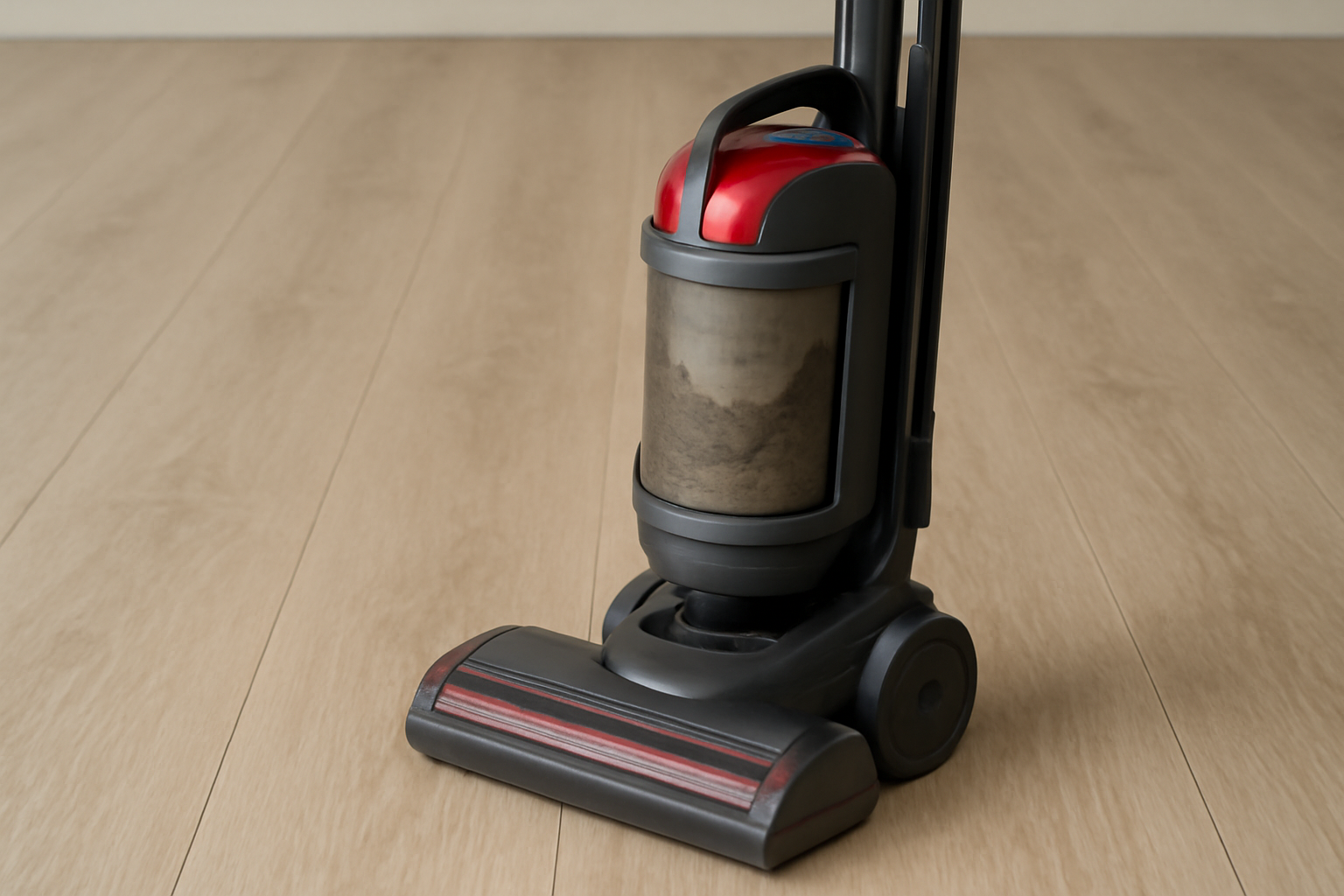
In recent years, a growing frustration has taken over Amazon reviews, Reddit cleaning forums, and Middle Eastern appliance groups:
“Why does a $300 vacuum still fail to clean properly?”
“Why does suction drop after 5 minutes?”
“Why is my premium hoover weaker than a budget model?”
The shock is real — consumers expect premium performance at $300+, yet many mid-range vacuums underperform compared to even the best vacuum on a budget options.
For distributors, engineers, and procurement teams in Europe and the Middle East, this is not just a consumer complaint — it is a market signal, a warning, and an opportunity.
This in-depth breakdown explains why performance failures are rising, why the “$300 equals quality” assumption is collapsing, and how distributors can avoid stocking the next viral disaster.
🔍 1. The Truth Behind the $300 Illusion: Price ≠ Performance
A decade ago, a $300 vacuum almost guaranteed:
powerful suction
strong cyclone design
better materials
longer lifespan
stronger motors
But today, the $300 segment is a trap.
Why?
Because pricing no longer reflects engineering cost —
it reflects marketing cost.
Modern mid-range vacuums often include:
expensive design elements
premium packaging
influencer promotions
retail middleman margins
app integration modules
unrealistic “premium” branding
And none of these improve the core cleaning system.
This is why many “premium” devices lose cleaning performance faster than the best value hoover priced under $120.
🌀 2. The Real Reason Suction Drops: Airflow Systems Are Getting Worse, Not Better
Consumers assume suction is a motor problem.
Engineers know better.
Suction power depends on:
airflow path resistance
cyclone geometry
dust-bin pressure stability
filter saturation
nozzle and brushroll efficiency
turbulence control
In many $300 models:
❌ Airflow chambers are shrinking
(to make the vacuum “sleeker”)
❌ Cyclone structures are simplified
(to reduce manufacturing cost)
❌ Filter density is increased
(to pass cheap HEPA standards)
❌ Brush motors are underpowered
(to reduce battery drain)
All of these create suction decay, especially in:
dense carpets
pet-hair conditions
dusty Middle Eastern climates
multi-room European apartments
small-space airflow-limited environments
Ironically, some Apartment Vacuum Cleaner designs outperform $300 models because they have optimized airflow instead of cosmetic upgrades.
⚠️ 3. Why Mid-Range Vacuums Fail Faster Than Budget Models
Mid-range vacuums ($200–350) are engineered for:
looks
marketing
“premium feel”
quick retail rotation
Budget models ($50–120) are engineered for:
airflow simplicity
durable motors
minimal electronics
predictable structure
This creates a strange paradox:
Cheaper vacuums often perform better for longer than $300 models.
Why?
Because complexity introduces failure:
sensors
smart screens
auto-adjust motors
WiFi connectivity
unnecessary PCB modules
When placed in heat-heavy, dust-heavy environments like the GCC, these systems fail quickly.
🧪 4. The #1 Failure Mode: Overstuffed Filtration Systems
To meet “HEPA” marketing requirements, many brands use overly dense filters.
This causes:
airflow blockage
overheating
suction collapse
premature motor failure
rapid battery drain
Some manufacturers purposely tighten filtration to pass tests — sacrificing real-world performance.
Even a simple Portable Vacuum for Travel can outperform a $300 vacuum if it has a properly engineered airflow design.
This is why distributors must demand:
Airflow testing data, not just HEPA labels.
🐾 5. Why Pet Hair Destroys $300 Vacuums — Faster Than Expected
Pet households in the U.S., UK, Germany, UAE, and Saudi Arabia demand powerful cleaning. But:
long hair
undercoat shedding
static cling
pet dander dust
carpet embedding
…all challenge poorly designed brushrolls and cyclones.
Common issues:
❌ Hair wraps around cheap brushrolls
→ torque drops
→ motor overload
→ belt wear
→ suction collapse
❌ Pet dust clogs dense HEPA filters
→ airflow drops
→ runtime falls
→ overheating begins
❌ Pet oils cling to cyclone chambers
→ cause micro-blockages
→ reduce air velocity
This is why pet households often report:
“My $300 vacuum worked great for a month, then completely died.”
🏠 6. Why Small Apartments Destroy Mid-Range Vacuums Faster Than Houses
Apartments in Europe and Asia create unique cleaning patterns:
short-distance cleaning
frequent use
quick spot cleaning
repeated on/off cycling
This “micro-cycle usage” stresses:
PCB boards
BMS chips
brush motors
micro turbines
A well-designed Apartment Vacuum Cleaner is built to withstand such cycles.
Many mid-range vacuums are not.
🛠 7. The Procurement Blind Spots Causing These Failures
Most distributors unknowingly buy doomed models because they rely on:
brochure specs
inflated suction numbers
laboratory test claims
polished packaging
retail-driven brand reputation
Instead, procurement teams must demand:
✔ airflow decay curves
✔ motor stress thermal maps
✔ dust-bin pressure testing
✔ HEPA filter airflow resistance charts
✔ brushroll torque lifespan data
✔ fine dust ingestion simulations
✔ GCC heat-stress testing (45°C environments)
Any supplier unable to provide these reports
= high future return rate
= customer complaints
= warranty losses
📉 8. The Amazon Effect: Why User Complaints Are Going Viral
Platforms like:
Amazon
TikTok
Reddit /r/vacuumcleaners
Home appliance groups
GCC household forums
…are amplifying cleaning frustrations.
The most common viral complaints:
“$300 and can’t pick up sand—seriously?”
“My old $90 vacuum was better than this.”
“Filter blocks in one week.”
“Suction disappears after 5 minutes.”
“Brush head is too weak for carpets.”
“Pet hair destroys this thing.”
The more this happens, the faster consumers shift toward:
✔ high-performing budget models
✔ simplified airflow designs
✔ travel-ready compact cleaners
✔ scenario-based vacuums (pet, carpet, apartment)
This trend is reshaping procurement strategies.
📦 9. The Opportunity: Build Vacuums That Actually Work
Amid the chaos, one truth stands out:
The market is starving for vacuums that simply work reliably.
Not app-connected.
Not “smart.”
Not futuristic.
Just:
strong airflow
efficient cyclones
durable motors
balanced brushroll torque
manageable filter systems
realistic HEPA performance
A product that beats the best vacuum on a budget and exceeds the value of the best value hoover — without the gimmicks — will dominate.
🌱 Conclusion: Users Don’t Want Cheaper or Smarter — They Want Reliability
The $300 vacuum crisis is not a consumer problem.
It’s an engineering problem.
It’s a procurement problem.
And it’s a misunderstanding of real-world cleaning behavior.
Consumers want:
suction that lasts
filters that don’t clog instantly
brushrolls that don’t jam
motors that don’t overheat
coils that don’t burn
vacuums that survive dust, pets, sand, and daily cycles
Distributors want:
fewer returns
predictable failure rates
stable supply chains
durable airflow systems
credible engineering
The winners of the next 5 years will be brands and factories that stop chasing marketing tricks and start delivering engineering truth.
Hashtags
#lanxstar #BestVacuumOnABudget #BestValueHoover #PortableVacuumForTravel#ApartmentVacuumCleaner #AirflowEngineering #CycloneSystemDesign#VacuumFailureAnalysis #HEPAFiltrationEngineering #SmartVacuumProblems#ConsumerComplaintAnalysis #VacuumReturnRates #MiddleEastDistributors#EuropeanDistributors #VacuumODM #VacuumOEM #DurabilityEngineering#PetHairVacuumSolutions #BatteryThermalManagement #MotorPerformanceDesign#CarpetCleaningVacuum #DustPathOptimization #AirPressureStability#VacuumForApartments #TravelVacuumDesign #ProductReliability#CleaningTech2025 #NoiseReductionEngineering #BrushrollTorque#VacuumMotorCooling #DustManagementSystems #SuctionDropAnalysis#HEPAFilterResistance #EngineeringDrivenDesign #ProcurementInsights#ProductTestingStandards #VacuumQualityControl #GCCCleaningMarket#EUHomeApplianceMarket #VacuumMarketTrends #SmartHomeCleaning#HighPerformanceVacuum #ValueDrivenDesign #ConsumerElectronicsTesting#SuctionEfficiency #VacuumDesignInnovation