Hi, message us with any questions.
We're happy to help!





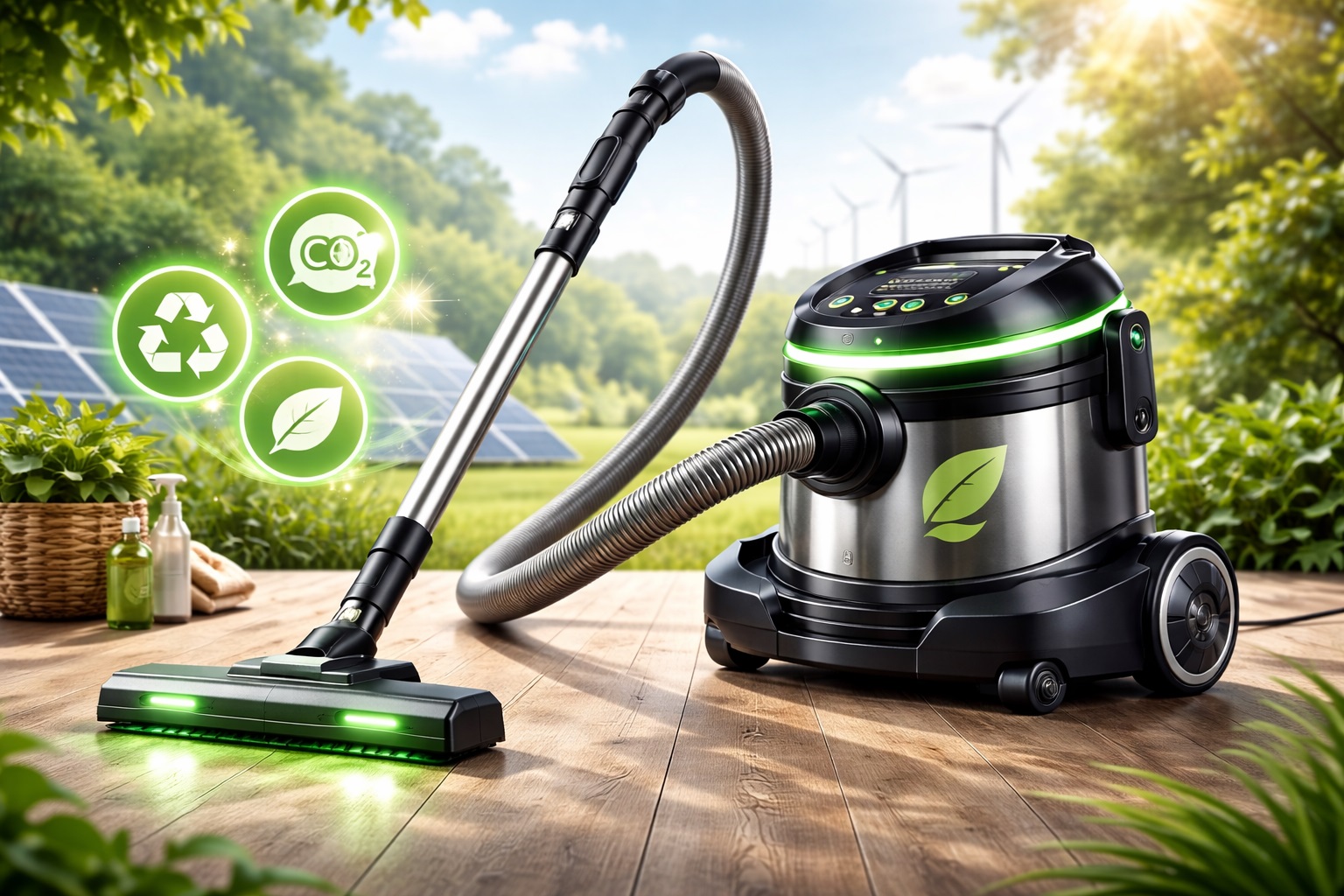
⚡ Energy‑Efficient Motors: Reducing Consumption without Sacrificing Power
Barrel vacuum cleaners are incorporating energy‑saving efficient powerful vacuum cleaner designs by adopting high‑efficiency brushless motors, optimized airflow pathways, and variable speed controls. These technologies cut energy draw while delivering strong suction, directly lowering electricity usage and carbon impact over the product’s lifetime.
Key Strategies:
Brushless DC motors with high torque and low idle consumption
Aerodynamic channeling to minimize resistance
Intelligent power management adapting suction to task
Market Insight:
According to IEA appliance efficiency data, appliance energy savings could reduce household emissions by up to 10% in developed markets, making efficiency a strategic priority for vacuum cleaner design.
Example:
A major European manufacturer redesigned its barrel vacuum lineup in 2023 to include smart power modulation, reducing electrical consumption by 22% while maintaining or improving cleaning performance metrics.
🤖 Smart Controls and IoT: Optimizing Performance for Sustainability
Integration of smart sensors and connectivity enables barrel vacuum cleaners to operate more intelligently, cutting unnecessary energy use and emissions.
Green Features:
Auto surface detection adjusts power to floor types
Remote scheduling minimizes redundant runs
Usage analytics guide efficient cleaning patterns
These smart systems ensure that household vacuum cleaners only run at needed power levels, avoiding waste and lowering cumulative carbon footprints.
Real‑World Insight:
A Middle Eastern facilities operator deployed connected barrel vacuums with centralized scheduling. They reported a 19% drop in total operational time and corresponding energy reduction over six months.
🚿 Wet‑Dry Versatility: One Machine, Lower Lifecycle Impact
Wet dry vacuum cleaners combine capabilities traditionally covered by separate devices. Reducing the total number of appliances in a home or business decreases material use, manufacturing emissions, and end‑of‑life waste.
Green Benefits:
Eliminates redundant products
Reduces packaging and transportation emissions
Encourages longer overall appliance life
Case Scenario:
A university in Europe phased out multiple single‑purpose cleaning machines in favor of modular wet‑dry barrels. This led to a measurable decrease in procurement costs and a 14% reduction in total cleaning‑equipment footprint.
💤 Quiet Operation: Efficient Performance with Low Emissions
Noise and emissions are often correlated: poor acoustic design can signal inefficient airflow or motor dynamics. By engineering quieter systems, manufacturers also improve efficiency, which can lead to reduced energy use and indirect carbon savings.
Quiet Design Elements:
Sound‑insulating housings
Optimized fan blade geometry
Low‑rpm, high‑efficiency motors
Market Insight:
Studies indicate that noise‑optimized vacuum cleaners can cut wasted energy by up to 15%, contributing to quieter, greener cleaning without compromising cleaning ability.
🐾 Specialized Cleaning: Reducing Repeat Runs with Pet Hair Technology
Homes with pets often require more frequent cleaning. Vacuum cleaners for pet hair with optimized airflow and brush systems capture embedded hair and dander in fewer passes, reducing overall runtime and energy expenditure.
Green Design Approaches:
Dedicated pet‑turbine heads that reduce tangling
Sealed dust pathways to minimize recirculation
Efficient brushroller power without excess draw
Users benefit from cleaner environments and lower operational emissions over time.
🧠 Lifecycle Sustainability: Materials, Manufacturing, and Recycling
Sustainable Materials
Recycled polymers and post‑consumer plastics
Reduced use of volatile organic compounds (VOCs)
Durable parts designed for extended service life
Manufacturing Efficiency
Lower‑emission production processes
Renewable energy powering assembly lines
Reduced waste and optimized logistics
End‑of‑Life Strategies
Design for disassembly
Take‑back recycling programs
Clear consumer guidance on disposal
Case Insight:
A global OEM reported that implementing modular design shortened repair cycles and reduced waste by 28% in 2024, aligning with corporate sustainability benchmarks and customer expectations.
📊 Environmental Compliance & Green Standards
Manufacturers targeting multiple regions must align with regulatory frameworks that impact carbon labeling, energy performance, and eco‑design compliance:
| Region | Standard / Requirement |
|---|---|
| EU | Ecodesign & Energy Label |
| US | ENERGY STAR® & DOE efficiency |
| GCC | SASO/ESMA energy labeling |
| Global | ISO 14001 & Lifecycle assessment |
Certification not only ensures compliance but also adds market credibility for Upright vacuum cleaners, household and commercial green appliances.
🧠 Conclusion: Toward a Greener Vacuum Future
Green technology in barrel vacuum cleaners isn’t just marketing — it’s measurable carbon reduction. Advances in energy‑efficient motors, smart control systems, wet‑dry versatility, quiet operation, and pet‑hair cleanup contribute to sustainability while preserving performance.
Key takeaways for industry stakeholders:
✔ Lower operational carbon emissions
✔ Reduced production and lifecycle impact
✔ Smarter, data‑driven cleaning patterns
✔ Stronger alignment with global regulations and eco‑labels
For manufacturers, product developers, suppliers, and B2B buyers, green innovation is a strategic differentiator that both improves sustainability and meets rapidly evolving environmental expectations.
Hashtags
Lanxstar, UprightVacuumCleaners, HouseholdVacuumCleaners, EnergySavingEfficientPowerfulVacuumCleaner, WetDryVacuumCleaners, QuietVacuumForNightUse, VacuumCleanerForPetHair, SmartGreenCleaning, SustainableVacuumSolutions, LowCarbonCleaning, EcoFriendlyDesign, SmartVacuumControls, IoTCleaningTech, EfficientAirflow, GreenMaterialsVacuum, RenewableDesign, LifecycleReduction, CarbonReductionTech, QuietEfficiency, PetHairOptimization, ModularCleaningSystems, CleanEnergyVacuum, RecycledVacuumComponents, EnergyLabelCompliance, ISO14001Vacuum, SustainableManufacturing, VOCReducedComponents, EndOfLifeRecycling, WetDryVersatility, AutomatedEnergySaving, GreenCleaningProducts, SustainableFacilityCleaning, UrbanEcoCleaning, NoiseOptimizedVacuum, PetAllergenControl, EnvironmentalCompliance, DOEEnergyStarVacuum, EcodesignVacuum, CleanAirTechnology, LifecycleSustainability, SmartMaintenanceAnalytics, EnergyEfficientMotors, GreenHomeAppliances, CommercialEcoCleaning.