Hi, message us with any questions.
We're happy to help!





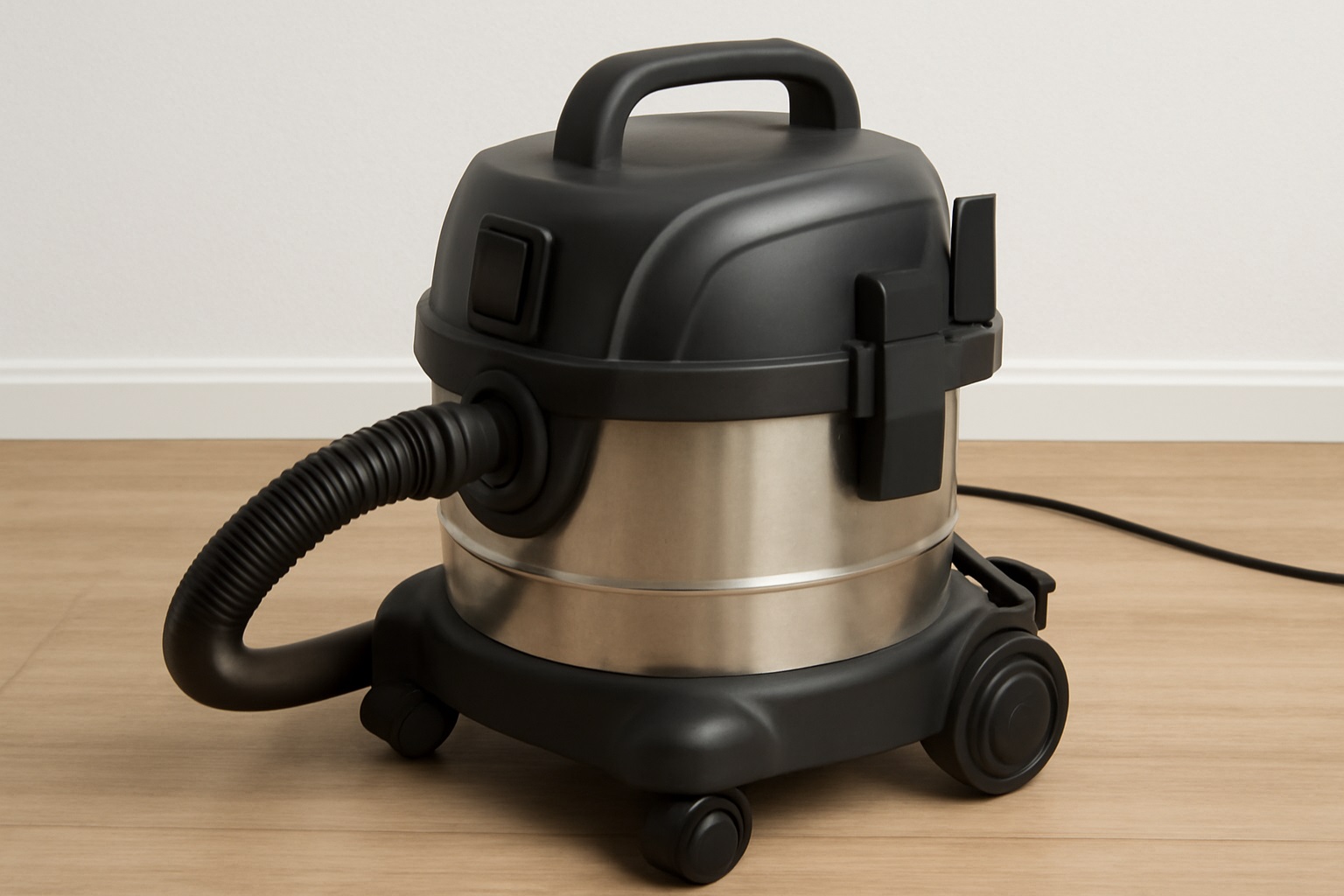
Buying a Barrel Vacuum Cleaner for a factory is often treated like a simple capacity-and-suction decision. But in real operations, the difference between a vacuum that gets used every day and one that sits in a corner is usually the Additional Features—the practical details that reduce downtime, improve safety, and make cleaning fast enough that people actually do it.
This guide is written for EU & Middle East B2B procurement buyers who want a feature checklist that goes beyond marketing. We’ll focus on the add-ons and design choices that turn a standard barrel unit into a Multi-Functional Vacuum Cleaner—and how to judge which features are worth paying for. You’ll also see where Vacuum Accessories matter more than motor upgrades, and where Upright Vacuum Cleaners and Household Vacuum Cleaners still fit in controlled facility zones.
🧭 1) The Procurement Truth: “Extra Features” Are Either Productivity or Noise
Some features genuinely cut labor time and consumables. Others look impressive but don’t change outcomes. To avoid feature bloat, classify every add-on into one of three buckets:
Must-have: prevents downtime or safety issues
Nice-to-have: improves comfort and speed, but not essential
Marketing-only: adds cost without changing cleaning results
If a supplier cannot explain the operational benefit in one sentence, treat it as marketing.
🧰 2) Accessory Ecosystem: The Fastest Way to Improve Real Cleaning Speed
A barrel vacuum is only as effective as its Vacuum Accessories. In many factories, the wrong nozzle slows pickup more than a weak motor.
🔧 Must-have accessories for factory use
Wide floor nozzle for aisles and open floors
Crevice tool for machine edges and tight frames
Brush tool for panels, vents, and delicate surfaces
Chip pickup nozzle (if machining debris exists)
Buyer insight: If your RFQ doesn’t specify accessories, suppliers will quote the cheapest kit. That’s how “good vacuums” become “slow vacuums.”
🌀 3) Multi-Functional Vacuum Cleaner Functions: Which Ones Actually Pay Back?
Many Barrel Vacuum Cleaner models advertise multi-function modes. Here’s how to judge them:
💧 Wet/Dry capability
Pays back when: you have frequent spills, coolant mist, or wet debris
Watch for: motor protection, safe wet filtration design, easy emptying
🌬️ Blower function
Pays back when: you need quick clearing of dust in non-sensitive zones
Risk: blowing dust can create contamination or safety issues—use with caution
🧽 Extraction / suction-cleaning (special tasks)
Pays back when: you have specific processes needing extraction
Procurement rule: don’t pay for it unless you have a defined use case
🧼 4) Filtration Convenience Features That Reduce Downtime (Not Just “Better Filtration”)
You already know filtration matters. The “extra feature” question is: how quickly can operators restore airflow?
🧯 High-value filtration features
Quick-release filter access (fast cleaning, less skipping)
Filter clog indicator (prevents “weak vacuum” complaints)
Pre-separator compatibility (reduces main filter loading)
HEPA stage option (only if your site requires it)
Procurement truth: A slightly more expensive filtration convenience feature can outperform a bigger motor by preventing performance collapse.
🛞 5) Mobility Features That Decide Adoption: Wheels, Stability, and Hose Management
Factories punish weak mobility designs.
✅ Features that matter on real floors
Industrial casters (smooth roll, high durability)
Tip-resistant base (prevents spills and damage)
Anti-kink hose design (prevents airflow loss and hose failure)
Integrated hose storage (reduces cracks and trip hazards)
Hidden ROI: Better mobility reduces operator fatigue and accidental damage—both of which affect cleaning compliance.
🔇 6) Noise + Heat Management: The Feature That Determines Whether People Use It
Many procurement teams ignore noise. Operators don’t.
High-value features
Noise-reduction design (better housing, airflow path)
Thermal protection (prevents burnout)
Cool-running motor design (less downtime, better duty tolerance)
Reality: A loud, hot machine gets avoided. Avoidance leads to dust buildup, which becomes a quality and safety issue.
🧱 7) Durability Features: What Breaks First (And How to Prevent It)
In barrel vacuums, the failure points are often not the motor—they’re the parts abused daily.
High-ROI durability features
reinforced hose cuffs and strain relief
stronger latches that don’t deform
robust seals and gaskets to prevent bypass
impact-resistant body material
metal wand options for harsh environments
Buyer move: Ask suppliers for their top 3 failure points in industrial customers. If they can’t answer, they haven’t learned from the field.
🧴 8) Hygiene & Disposal Features: Dust-Free Emptying Is a Competitive Advantage
If your site cares about cleanliness or audits, disposal design is not optional.
Features to prioritize
Sealed disposal / liner bag systems
Easy emptying without dust plumes
Drain ports for wet pickup (if relevant)
Procurement insight: Dust-free disposal reduces secondary cleaning time and protects workers—often worth more than small differences in suction.
🔌 9) Power, Cable, and Safety Features (EU/MENA Practicalities)
Small electrical details can become big operational problems.
Consider:
appropriate cable length for your aisles and zones
cable management hooks to prevent damage
overload protection and safe restart behavior
plug standards and local serviceability
🧹 10) Where Upright and Household Vacuums Fit in a “Feature” Conversation
🧷 Upright Vacuum Cleaners
Best for:
offices, carpets, controlled zones
They compete on convenience features and surface tools—not industrial durability.
🏠 Household Vacuum Cleaners
They may have attractive “additional features,” but in factories:
parts wear faster
filtration loads quickly
durability features are usually not designed for industrial abuse
Procurement boundary: Don’t replace an industrial-accessory ecosystem with consumer “features.”
📝 11) A Procurement Feature Checklist (Copy/Paste for RFQs)
Use this list to standardize evaluation across suppliers:
Vacuum Accessories
Standard tool kit list and compatibility options
Hose diameter options and max recommended length
Availability of chip nozzle / brush tools / floor nozzles
Multi-function capabilities
Wet/dry rating and motor protection
Drain port design
Blower mode safety guidance
Mobility & ergonomics
Caster type and load rating
Tip resistance
Hose and cable storage design
Filtration convenience
Filter access time (seconds, not “easy”)
Clog indicator / airflow monitoring
HEPA option (if needed)
Durability and service
Typical failure points and how addressed
Spare part availability in EU/MENA
Warranty coverage for wear components (hose, seals, latches)
Conclusion 🏁✨
When choosing a Barrel Vacuum Cleaner, the “additional features” that matter are the ones that improve cleaning speed, reduce downtime, and increase operator adoption. In most factories, the highest ROI comes from the right Vacuum Accessories, smart hose and mobility design, filtration convenience features, and dust-free disposal—not from paying for the biggest motor. If you define your real use cases (wet pickup, chips, fine dust, long aisles) you can choose Multi-Functional Vacuum Cleaner features that pay back quickly and avoid feature bloat that looks good in a brochure but adds no operational value.
Hashtags
Lanxstar, BarrelVacuumCleaner, AdditionalFeatures, MultiFunctionalVacuumCleaner, VacuumAccessories, UprightVacuumCleaners, HouseholdVacuumCleaners, factoryCleaningTools, industrialHousekeeping, wideFloorNozzle, creviceTool, brushTool, chipPickupNozzle, accessoryKitStandardization, hoseDiameterOptions, antiKinkHose, hoseStorageDesign, cableManagement, industrialCasters, tipResistance, mobilityErgonomics, noiseReductionDesign, heatManagement, thermalProtection, filterClogIndicator, quickReleaseFilter, preSeparatorCompatibility, HEPAOption, dustFreeDisposal, linerBagSystem, sealedEmptying, wetDryCapability, drainPortDesign, blowerFunctionSafety, impactResistantHousing, reinforcedLatches, gasketSealIntegrity, bypassPrevention, sparePartsAvailability, EUDistribution, MENAServiceNetwork, procurementRFQChecklist, totalCostOfOwnership, downtimeReduction, operatorAdoption, multiSiteFleet, maintenanceFriendlyDesign, OEMVacuumSupplier, B2BSourcing, facilityMaintenanceProgram, warehouseAisleCleaning, productionFloorCleaning