Hi, message us with any questions.
We're happy to help!





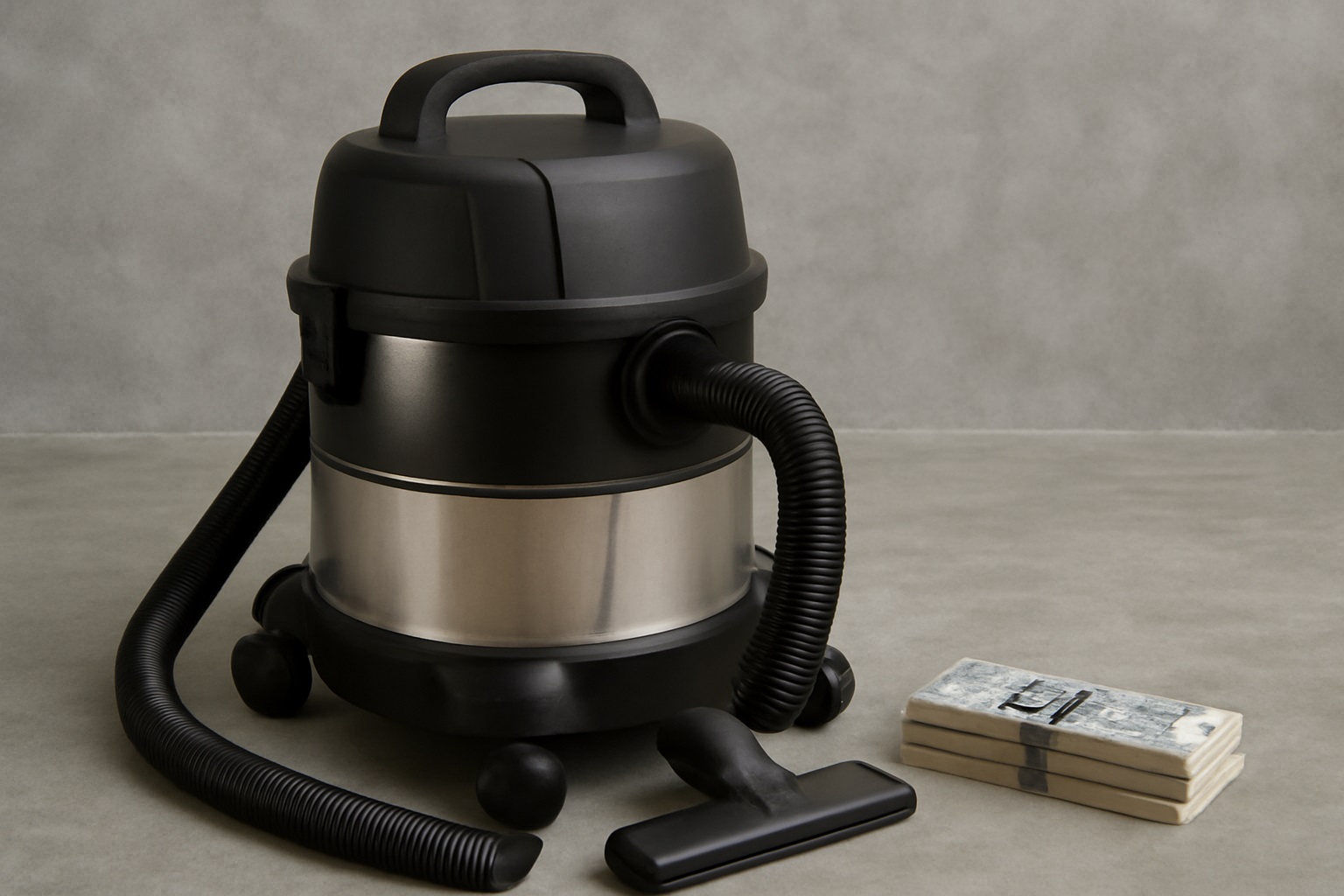
Buying a Barrel Vacuum Cleaner on a tight budget is a familiar procurement challenge: you want an Affordable Vacuum Cleaner that meets cleaning needs today, but you don’t want a “cheap” unit that becomes expensive through downtime, broken hoses, clogged filters, and constant replacements.
This guide is written for EU & Middle East B2B procurement buyers who need a Cost-Effective Vacuum Cleaner decision that holds up in real operations. We’ll show you how to create a budget strategy based on total cost of ownership (TCO), identify the few components you should never cut, and build a shortlisting method that helps you buy a Budget-Friendly Vacuum without sacrificing performance or reliability.
We’ll also clarify where Upright Vacuum Cleaners and Household Vacuum Cleaners can fit as cost-control tools (offices and controlled zones), and where they usually become a false economy.
🧭 1) Define “Cost-Effective”: The 3-Part Budget That Matters
Procurement often treats budget as a single number (purchase price). Real cost-effective buying uses three budgets:
CapEx (purchase price)
OpEx (filters, bags, hoses, repairs)
Labor minutes (emptying, unclogging, walking to disposal, rework cleaning)
A Budget-Friendly Vacuum is one that minimizes the sum of these—especially the labor minutes that get ignored in spreadsheets.
🧮 2) Use a Simple TCO Formula (That Any Buyer Can Defend)
If you want a decision that survives internal review, use this simple 12-month comparison:
12-Month TCO = Purchase Price + Consumables + Repairs + (Labor Minutes × Labor Rate)
What to include in consumables
main filters and pre-filters
bags/liners (if used)
hoses, cuffs, seals, gaskets
accessories that break frequently in industrial handling
What to include in labor minutes
emptying time and frequency
filter cleaning time
time spent “making it work” (unclogging, searching for tools, re-cleaning)
Buyer reality: A slightly higher-priced Barrel Vacuum Cleaner can be the most affordable vacuum once you count labor and consumables.
💸 3) Budget Bands: What You Can Expect at Each Level
Instead of searching for “Affordable Vacuum Cleaner” models blindly, align expectations to budget tiers.
🟢 Entry Budget (minimum viable for light industrial)
Expect:
basic filtration
limited durability on hoses and latches
adequate for light debris and short duty cycles
Buy only if:
usage is intermittent
debris is light-to-moderate
your team can accept more frequent maintenance
🟡 Mid Budget (best value for most factories)
Expect:
better filtration design
stronger hoses, casters, and seals
more stable performance under load
This tier often produces the best Cost-Effective Vacuum Cleaner outcomes.
🔴 Higher Budget (industrial-heavy environments)
Expect:
stronger filtration architecture
higher serviceability
better duty tolerance
If your factory is high-dust or near-continuous duty, spending more can actually be “budget-friendly” in TCO terms.
🧱 4) What NOT to Cut (Even When Budget Is Tight)
If you must save money, don’t save it in the wrong places. These are the parts that drive downtime and replacement churn:
🧼 Filtration system quality
A weak filter setup turns any vacuum into a clogging machine. If you cut filtration, you pay later.
🛠️ Hose durability and anti-kink design
Hose failure is one of the most common factory issues. Cheap hoses crack, leak, or clog easily.
🛞 Caster wheels and base stability
If a vacuum tips, breaks, or drags poorly, operators avoid it and cleaning compliance collapses.
🧰 Accessory kit completeness
Buying a cheap vacuum and then “fixing” it with accessories later often costs more than buying a better kit upfront.
🧾 5) Where You CAN Cut (Without Regret)
Here are safer cost-saving areas:
cosmetic finishes and branding
extra “multi-function” modes you won’t use
oversized capacity if disposal is fast and nearby
premium materials in low-abuse office zones
Procurement rule: Cut features that don’t reduce labor time or downtime.
🧠 6) The Budget Buyer’s Shortlisting Method (Fast + Reliable)
Use this 5-step method to shortlist a Budget-Friendly Vacuum:
Step 1: Write your “minimum acceptable spec”
debris type (powder/chips/mixed)
cleaning area and frequency
target emptyings per shift
required hose length and tools
Step 2: Request a consumables price list
If a supplier cannot provide filter and hose pricing, they’re hiding the real cost.
Step 3: Ask for “performance under load”
How does suction/airflow behave after 10–15 minutes of real dust?
Step 4: Check service and spares in EU/MENA
Budget-friendly means nothing if you wait weeks for a hose or filter housing.
Step 5: Run a short real-floor trial
A 15-minute demo on your dust reveals more than any catalog.
🔄 7) Used vs New: A Smart Budget Option (Sometimes)
Refurbished or used units can be a cost-effective strategy if:
parts and filters are still available
motors are tested and documented
warranties exist
your use is not mission-critical
Avoid used units when:
dust is fine and heavy (filter and seal wear are hard to assess)
downtime costs are high
parts availability is uncertain
🧹 8) Avoid the “Household Trap”: Where Household Vacuums Cost More
Household Vacuum Cleaners may look like the most Affordable Vacuum Cleaner choice, but in production zones they often create:
faster clogging
overheating and short lifespan
frequent replacements and inconsistent cleaning
A safer use case for household units
low-dust offices, meeting rooms, reception
Use Upright Vacuum Cleaners for carpets and controlled spaces where they shine, and reserve the Barrel Vacuum Cleaner budget for production needs.
🧩 9) Build a Budget-Friendly Fleet Strategy (Not Just a Single Purchase)
A cost-effective approach often looks like this:
1–2 Barrel Vacuum Cleaner units for production floors
1 handheld or detail unit for machines (if needed)
Upright Vacuum Cleaners for office/carpets
Household Vacuum Cleaners only for ultra-light, non-production areas
Why it’s cost-effective: You stop forcing one tool to do every job, which reduces breakage and operator frustration.
📝 10) RFQ Questions That Protect Your Budget
Copy/paste these into your RFQ:
What is the full consumables price list (filters, bags, hoses, seals)?
What typically fails first in factory customers, and what do replacements cost?
What is the recommended duty cycle and runtime limits?
How does performance change as filters load?
What spare parts are stocked for EU/MENA and what are lead times?
What accessories are included (floor nozzle, crevice, brush, chip tool)?
What warranty terms cover motor, electronics, and wear items?
✅ Conclusion 🏁💰
Choosing a Cost-Effective Vacuum Cleaner isn’t about finding the lowest price Barrel Vacuum Cleaner—it’s about buying the configuration that stays productive with minimal consumable spend and minimal labor waste. When budgeting, protect filtration quality, hose durability, wheels/stability, and the right Vacuum Accessories. Cut cosmetic features and unused functions first. And don’t let Household Vacuum Cleaners “sneak” into production zones where they usually create higher replacement churn.
With a simple TCO formula and a procurement-ready RFQ, you can choose a truly Budget-Friendly Vacuum that’s also an Affordable Vacuum Cleaner over the next 12 months—not just on day one.
Hashtags
Lanxstar, CostEffectiveVacuumCleaner, BarrelVacuumCleaner, BudgetFriendlyVacuum, AffordableVacuumCleaner, UprightVacuumCleaners, HouseholdVacuumCleaners, TCOvacuumBuying, totalCostOfOwnership, consumablesCostControl, filterReplacementCost, hoseDurability, casterWheelQuality, accessoryKitValue, vacuumAccessories, procurementRFQChecklist, EUdistributionSupport, MENAserviceNetwork, sparePartsAvailability, downtimeReduction, laborMinutesSavings, emptyingFrequency, filterLoadingCurve, airflowRetention, suctionVsAirflow, performanceUnderLoad, budgetTierSelection, entryLevelVacuum, midTierValueBuy, industrialUpgradeThreshold, usedVacuumBuying, refurbishedVacuumChecklist, warrantyCoverage, serviceability, partsCompatibility, multiSiteStandardization, fleetStrategy, productionFloorCleaning, warehouseAisleCleaning, machineAreaDetailCleaning, dustContainmentDisposal, linerBagSystem, sealedEmptying, filtrationQualityFirst, avoidHouseholdTrap, officeZoneCleaning, carpetCleaningPlan, OEMVacuumSupplier, B2Bsourcing, negotiationChecklist, pricingComparisonFramework, costPerCleanedArea, maintenanceFriendlyDesign



