Hi, message us with any questions.
We're happy to help!





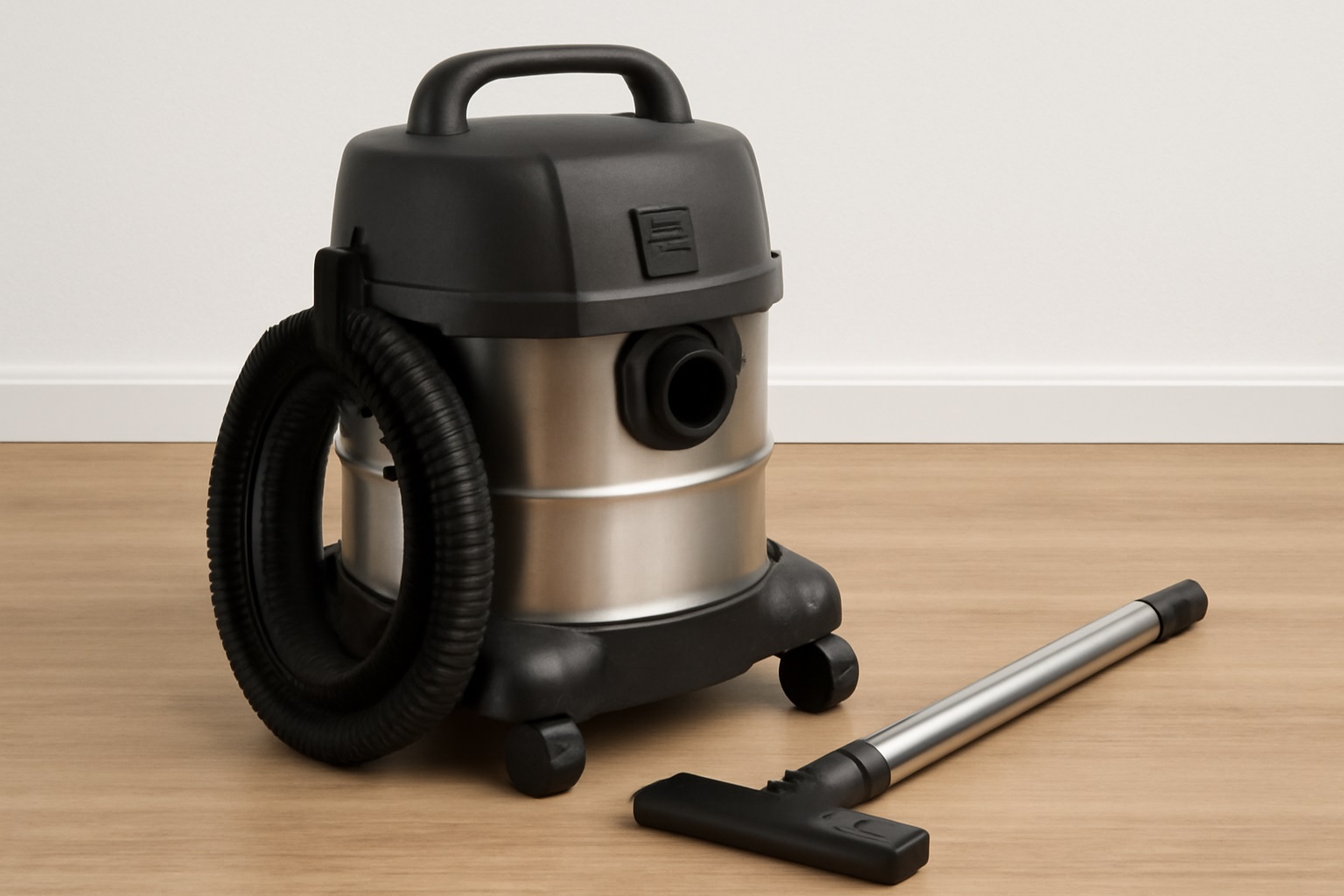
“Convenience” sounds soft—until you price it. In factories, convenience is the difference between a vacuum that gets used daily and a vacuum that sits idle because it’s heavy, annoying, clogs constantly, or takes forever to service. That’s why Ease of Use and Vacuum Maintenance costs should be treated as procurement metrics, not afterthoughts.
This guide is written for EU & Middle East B2B vacuum procurement buyers who want a practical way to evaluate whether a Barrel Vacuum Cleaner will be truly convenient on the floor—and whether it can qualify as a Low Maintenance Vacuum once real operators, real dust, and real shift pressure enter the picture. We’ll also clarify where Upright Vacuum Cleaners and Household Vacuum Cleaners fit in facility programs (and where they quietly increase cost).
🧭 1) Reframe “Convenience” as a Measurable KPI
A convenient vacuum is not “easy to buy.” It’s easy to:
move,
start,
keep picking up after 10–15 minutes,
empty without a mess,
restore performance without tools,
maintain without calling a technician.
Procurement KPI: Convenience = (Cleaning Output) ÷ (Operator Effort + Downtime + Consumable Spend)
If any of the denominators explode (effort, downtime, consumables), your “convenient” purchase becomes expensive.
🧪 2) The 3 Maintenance Costs Most Buyers Underestimate
When finance asks for cost justification, many buyers list purchase price and filters. That’s not enough. Maintenance cost in practice has three layers:
1) 🧼 Consumables
Filters, bags/liners, pre-filters, gaskets, hose cuffs, wheels, seals.
2) ⏱️ Labor minutes (the silent budget)
emptying time
filter cleaning time
unclogging time
walking to disposal points
re-cleaning after dust plumes
3) 🛠️ Downtime events
broken hoses and cracked cuffs
latch failures and lid leaks
motor thermal cutoffs due to clogged filtration
missing parts and long lead times
A Barrel Vacuum Cleaner can be “cheap to buy” but expensive to keep alive.
🧰 3) The Ease of Use Scorecard (12 Checks You Can Do in 5 Minutes)
Use this on demos, samples, and supplier visits. Score each 0–2 (0 = poor, 2 = excellent). The total predicts adoption.
🚶 Mobility & handling
Caster quality: rolls smoothly over thresholds and rough floors
Tip resistance: doesn’t feel unstable when pulling the hose
Handle placement: comfortable for tall and shorter operators
Hose management: storage prevents kinks and trip hazards
🧹 Daily operation
Start/stop simplicity: one clear switch, no complicated modes
Noise comfort: operators don’t avoid it due to noise
Heat behavior: casing doesn’t get uncomfortably hot during use
Accessory usability: floor nozzle + crevice + brush tools are easy to swap
🧼 Service & maintenance
Filter access: can an operator reach the filter in under 60 seconds?
Emptying cleanliness: does disposal create dust clouds?
Clog recovery: can a clog be cleared without disassembly?
Seal confidence: lid closes firmly, no “wiggle” feeling
Procurement insight: A low score in only 2–3 of these is enough to kill usage—especially in busy shifts.
🧱 4) What “Low Maintenance Vacuum” Really Means (In Factory Language)
“Low maintenance” isn’t a slogan. It means the vacuum has:
stable airflow as dust loads,
easy restoration when performance drops,
few failure points in daily-abuse parts,
fast parts replacement when something breaks.
The Low-Maintenance Design Signals
quick-release filter housing
pre-separation compatibility (reduces filter loading)
durable hose materials + strain relief at cuffs
latches that don’t deform
thick, stable base + industrial casters
seals and gaskets that prevent bypass leaks
If a vacuum needs a “careful user,” it’s not low maintenance for industrial life.
🌀 5) The Filter Reality Test: “Does It Stay Convenient After 15 Minutes?”
Many vacuums feel great at minute 1. Convenience collapses when filtration loads.
Run a simple “15-minute load test”
Have operators clean a real dusty zone for 15 minutes. Observe:
pickup quality at minute 1 vs minute 15
whether airflow drops sharply
how quickly performance returns after filter cleaning
whether dust escapes during service
A real Low Maintenance Vacuum holds usable pickup longer and recovers quickly without mess.
🧻 6) Bagged vs Bagless: The Convenience Trade You Must Decide
Both can be cost-effective; the key is matching to operator behavior and disposal rules.
Bagged systems
Convenience strengths:
clean disposal
less secondary cleanup
faster “swap and go”
Cost watch-outs:
ongoing bag spend
wrong bag media can choke airflow fast
Bagless systems
Convenience strengths:
fewer consumables
good when operators empty carefully and often
Cost watch-outs:
dust plumes during emptying
more frequent filter exposure and cleaning
Procurement rule: If your site hates messy disposal or faces audits, bagged convenience often reduces total labor even if consumables rise.
🔩 7) The Top Failure Points That Drive Maintenance Costs
If you want fewer surprises, focus on what breaks first.
1) Hose and cuffs
cracks from dragging, bending, stepping
leaks reduce pickup and increase run time
What to look for: reinforced cuffs, anti-kink hose, spare hose availability.
2) Wheels and casters
cheap casters jam or snap
poor mobility reduces usage
What to look for: industrial caster rating and stable base.
3) Latches, seals, and lid fit
small leaks = dust bypass + loss of suction feel
operators over-tighten and break parts
What to look for: robust latches, solid gasket compression, repeatable closure.
Procurement hack: Ask suppliers, “What are your top 3 service parts in factories?”
Their answer reveals how honest and experienced they are.
🧠 8) A Maintenance Cost Model Buyers Can Share Internally
Here’s a simple annual model that makes maintenance spend visible:
Annual Vacuum Maintenance Cost =
Filters/Bags (annual units × unit cost)
Hoses/parts (expected replacements × cost)
Labor minutes (emptying + cleaning + unclogging) × labor rate
Downtime penalty (if you track it)
The “Labor minutes” shortcut
Estimate per shift:
emptying: 3–6 minutes × frequency
filter cleaning: 2–5 minutes × frequency
unclogging: 2–10 minutes × frequency
Even conservative numbers often show labor as the largest cost driver—especially in large facilities.
🧹 9) Where Upright and Household Vacuums Fit in a Convenience Strategy
🧷 Upright Vacuum Cleaners
They can be “convenient” in:
offices, carpets, reception areas
They are usually not convenient in production zones because:debris type and dust load overwhelm their design intent.
🏠 Household Vacuum Cleaners
They can reduce cost for:
ultra-light duty areas with low dust
They often increase cost in production areas because:faster clogging and thermal stress → replacement churn
inconsistent performance → more labor minutes
Procurement boundary: Keep Upright Vacuum Cleaners and Household Vacuum Cleaners in controlled zones; reserve barrel units for real factory debris.
🧾 10) RFQ Questions That Reveal True Ease of Use and Maintenance Costs
Copy/paste these into your RFQ so suppliers must answer in operational terms:
Ease of Use
What is the total weight and how does it handle on rough floors?
What accessories are included, and which are recommended for machine edges vs aisles?
What hose length/diameter do you recommend for factory use?
Vacuum Maintenance
How long does filter access and cleaning take (in seconds/minutes)?
What is the expected filter replacement interval in similar factories?
What is the full consumables price list (filters, bags, hoses, gaskets)?
Low Maintenance Proof
What are the top 5 spare parts you sell most to industrial customers?
What parts are stocked for EU/MENA and typical lead times?
What happens to performance after 15 minutes on fine dust?
A supplier who answers these clearly is a supplier who understands real maintenance economics.
✅ Conclusion 🏁✨
The “convenience” of a Barrel Vacuum Cleaner is not marketing—it’s measurable. Evaluate Ease of Use using a 12-check scorecard, then validate convenience under real dust with a 15-minute load test. For maintenance cost control, focus on the true drivers: consumables, labor minutes, and predictable failure parts like hoses, casters, and seals. A genuine Low Maintenance Vacuum is one that keeps airflow stable, recovers quickly, and can be serviced fast with locally available parts.
Used correctly, barrel vacuums become a productivity tool—not a recurring maintenance problem. And by keeping Upright Vacuum Cleaners and Household Vacuum Cleaners in the right zones, you can reduce total facility spend without sacrificing cleaning performance where it matters most.
Hashtags
Lanxstar, BarrelVacuumCleaner, EaseOfUse, VacuumMaintenance, LowMaintenanceVacuum, maintenanceCostModel, filterReplacementCost, hoseFailurePrevention, casterDurability, latchSealReliability, airflowRetention, filterLoadingCurve, dustFreeEmptying, baggedVsBagless, consumablesCostControl, laborMinutesSavings, uncloggingReduction, quickFilterAccess, operatorAdoption, noiseComfort, heatManagement, tipResistance, hoseStorageDesign, antiKinkHose, accessoryKitValue, VacuumAccessories, wideFloorNozzle, creviceToolForMachines, brushToolForPanels, sparePartsAvailability, EUDistributionSupport, MENAServiceNetwork, procurementRFQChecklist, totalCostOfOwnership, downtimeReduction, 15MinuteLoadTest, serviceabilityDesign, gasketSealIntegrity, bypassPrevention, disposalWorkflow, productionFloorCleaning, warehouseAisleCleaning, machineAreaDetailCleaning, facilityHousekeepingProgram, auditReadinessCleaning, standardizationAcrossSites, trainingAndCompliance, UprightVacuumCleaners, HouseholdVacuumCleaners, B2BSourcing, OEMVacuumSupplier