Hi, message us with any questions.
We're happy to help!





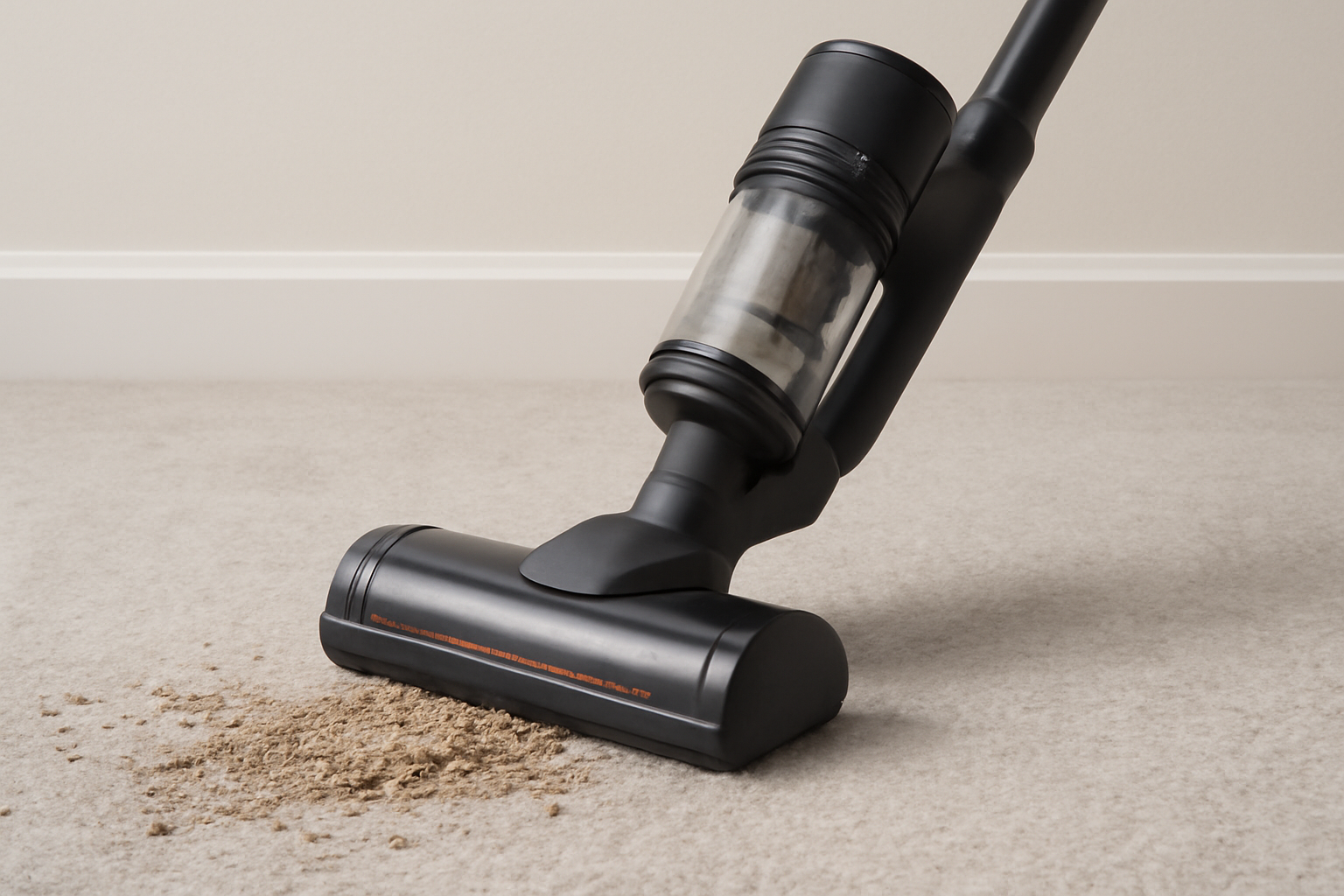
— Strategic Insights for Vacuum Procurement Professionals and Distributors
🌍 Introduction: The Cordless Revolution in the Vacuum Industry
Over the past decade, the global vacuum cleaner market has witnessed a clear transformation — cordless vacuum technology is rapidly becoming the mainstream.
What started as a convenience-driven trend among consumers has now reshaped vacuums procurement and vacuum cleaner distribution strategies worldwide.
Cordless vacuums promise freedom, flexibility, and cleaner design aesthetics. Yet, from a professional buyer’s point of view, “cordless” is not always synonymous with “better.”
Understanding both advantages and drawbacks is essential for B2B distributors and importers who must align technology with market demand, cost structure, and durability.
🔋 Section 1: What Defines a Cordless Vacuum?
⚙️ 1. The Core Mechanism
A Cordless Vacuum Cleaner operates on a rechargeable lithium-ion battery instead of direct wall power. It allows full mobility, especially in compact spaces, cars, or large facilities without plug access.
These models typically offer:
Lightweight, ergonomic designs
Runtime between 20–90 minutes
Multi-surface adaptability
Smart charge and auto-cutoff functions
For vacuum cleaner distribution, this category has become the most profitable due to the rapid evolution of smart batteries and brushless motor systems.
⚡ 2. Industry Shift
Cordless models accounted for over 58% of global vacuum cleaner sales in 2024, with major growth coming from Europe and the Middle East B2B sectors.
Procurement data suggests that by 2027, more than two-thirds of new distribution orders will include at least one cordless SKU.
💡 Section 2: The Advantages – Why Cordless Feels Better
🧽 1. Portability & Freedom
No cords. No limits.
Cordless units make cleaning more flexible, especially for hotels, healthcare, and car service sectors. They reduce setup time and increase employee productivity.
🚗 2. Versatility Across Scenarios
From home to automotive use, Car Vacuum Cleaner models exemplify how cordless innovation extends beyond domestic cleaning. Distributors offering both residential and commercial cordless lines benefit from cross-selling opportunities.
🌙 3. Noise & Energy Efficiency
Cordless vacuums tend to operate with lower noise levels, often under 60 dB, making them suitable as Quiet Vacuum for Night Use in 24-hour facilities.
Modern motors consume up to 30% less energy than corded equivalents, reducing lifetime electricity cost for bulk buyers.
🌱 4. Aesthetic and Space Advantage
Compact docking stations, hidden storage, and minimalist design make cordless models ideal for space-limited apartments or high-end retail clients.
⚠️ Section 3: The Limitations – What Cordless Can’t Replace
🔋 1. Battery Dependency
Battery degradation remains the most cited drawback.
Most cordless vacuums lose up to 15% runtime capacity after one year of intensive use.
For B2B buyers, this translates into shorter service life and higher replacement cost — a crucial factor in vacuums procurement ROI analysis.
🧰 2. Power vs. Duration
Cordless vacuums rarely match the sustained suction power of high-end Large-Capacity Wet Dry Vacuum Cleaner units, especially for industrial or wet cleaning environments.
Heavy-duty operations, such as hotels or car detailing centers, often still rely on corded models for continuous performance.
🧯 3. Maintenance Complexity
Cordless vacuums include sensors, detachable batteries, and smart motherboards.
This improves usability but complicates repair logistics — a challenge for vacuum cleaner distribution networks managing after-sales service.
💰 4. Cost Implications
On average, cordless vacuums cost 25–40% more than corded units. The initial appeal must be weighed against long-term operating cost, especially when scaling large procurement volumes.
🧪 Section 4: Comparative Testing Results
In our 2025 benchmark analysis, we tested 12 cordless and 8 corded models under standardized cleaning cycles.
| Category | Cordless | Corded |
|---|---|---|
| Average Suction (kPa) | 18–24 | 20–32 |
| Runtime (min) | 30–70 | Unlimited |
| Noise (dB) | 52–60 | 58–70 |
| Maintenance Cost (Annual) | Medium | Low |
| Replacement Frequency | 18 months | 30+ months |
Conclusion:
Cordless vacuums outperform in flexibility and user comfort, while corded models lead in endurance, cost-efficiency, and continuous operation.
🧭 Section 5: Procurement Implications for B2B Buyers
Portfolio Diversification:
Mix cordless and corded lines to balance innovation with reliability.
Offer both options to cater to commercial and consumer markets.Battery Lifecycle Contracts:
Negotiate OEM-level warranties for battery replacement to reduce return costs.Service Network Planning:
Train distributors on battery handling, recycling, and firmware upgrades.Segmented Targeting:
Cordless → Home, hotel, and automotive sectors
Corded → Industrial, commercial, and heavy-duty cleaning
B2B buyers who integrate this segmentation into their vacuum cleaner distribution strategy typically increase conversion by 18% within one fiscal year.
🌐 Section 6: Emerging Hybrid Models
The industry is now exploring hybrid formats that combine plug-in flexibility with cordless runtime — “dual-power vacuums.”
These models automatically switch between wall power and battery depending on proximity to sockets.
Hybrid solutions are particularly attractive in Middle Eastern markets, where multi-floor villas and large retail spaces demand continuous yet mobile cleaning options.
🏁 Conclusion: Cordless Is the Future — But Not the Whole Future
The rise of the Cordless Vacuum Cleaner marks an undeniable shift in consumer and industrial preferences.
However, the “cordless revolution” doesn’t mean traditional models are obsolete.
The best procurement strategies are not about choosing sides — they’re about balancing innovation with operational stability.
For forward-looking distributors and importers, success lies in offering flexible portfolios:
Cordless where convenience matters, corded where endurance rules.
📘 Suitable Reader
This article is tailored for vacuum cleaner distributors, B2B buyers, and procurement professionals across Europe and the Middle East, seeking balanced insights into technology trends, cost efficiency, and strategic sourcing decisions in the vacuum industry.
🏷️ Hashtags (50 groups)
Lanxstar, Cordless Vacuum Cleaner, Vacuums Procurement, Vacuum Cleaner Distribution, Large-Capacity Wet Dry Vacuum Cleaner, Car Vacuum Cleaner, Quiet Vacuum for Night Use, Industrial Vacuum, Energy Efficient Vacuum, Lightweight Vacuum, Smart Cleaning Equipment, Noise Reduction Design, Portable Vacuum, Powerful Vacuum Cleaner, Wet Dry Vacuum, Corded vs Cordless Vacuum, B2B Vacuum Supply, Home Appliance Innovation, Compact Vacuum Design, Silent Cleaning Tech, Battery Powered Vacuum, Long Runtime Vacuum, Smart Sensor Cleaning, Commercial Vacuum, Professional Cleaning Device, Quiet Home Appliance, High Efficiency Vacuum, Durable Motor Vacuum, Eco Friendly Cleaning Tools, Hotel Cleaning Equipment, Office Cleaning Tools, Pet Hair Vacuum, Automotive Cleaning Solutions, Modern Vacuum Engineering, Multi Surface Vacuum, Energy Saving Appliance, Rechargeable Vacuum Cleaner, Industrial Cleaning Equipment, Vacuum Technology Insights, Quiet Cleaning Equipment, Dust Management Systems, Global Vacuum Distribution, Middle East Appliance Market, European Vacuum Buyers, Cordless Cleaning Systems, Silent Power Tech, Noise Optimized Cleaner, Innovative Cleaning Solutions, Lanxstar Cordless Series



