Hi, message us with any questions.
We're happy to help!





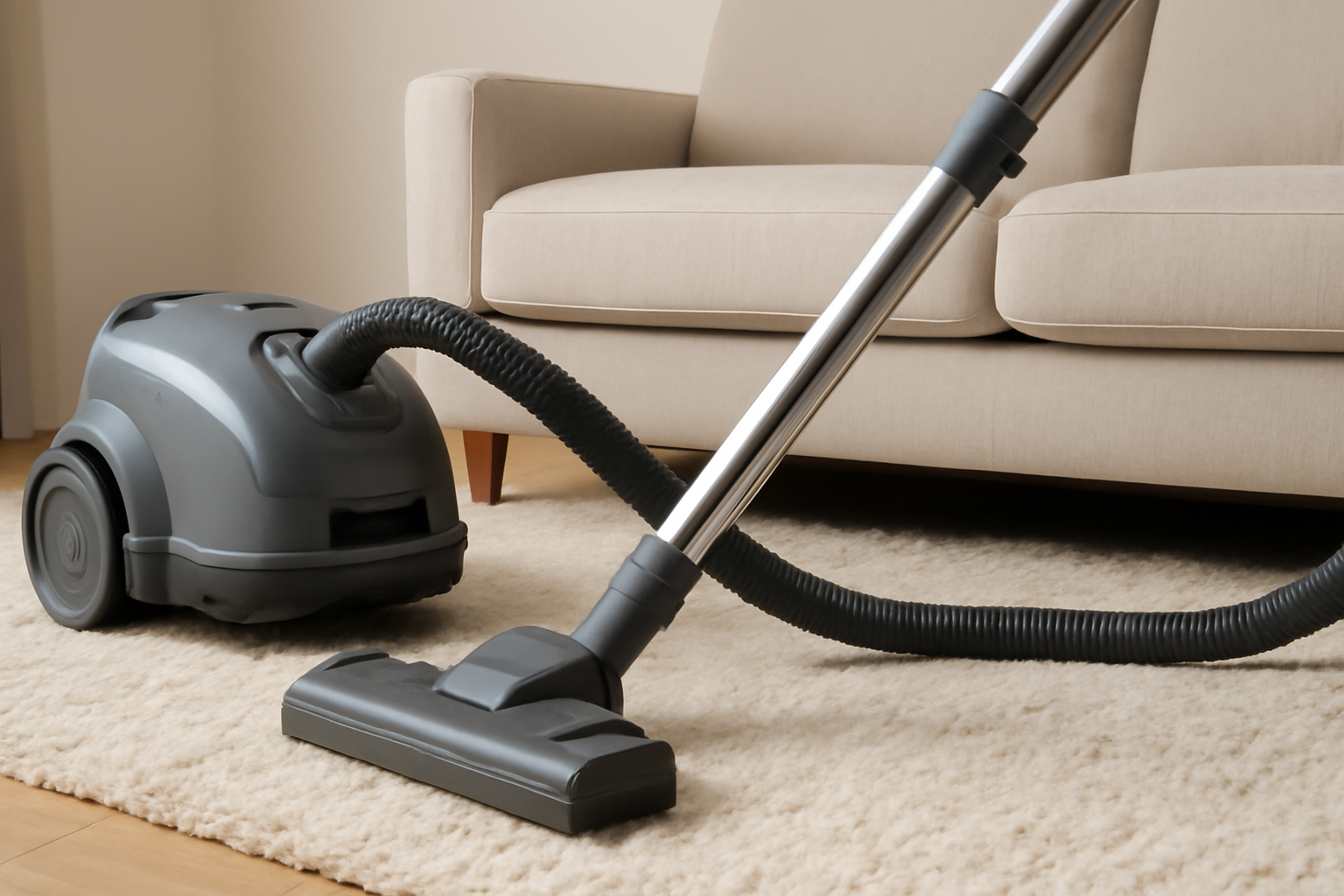
— A Strategic Maintenance Guide for B2B Procurement and Distribution Leaders
🌍 Introduction: Why Deep Cleaning Frequency Matters More Than You Think
In the global cleaning appliance market, vacuum cleaner longevity and reliability have become critical purchase drivers for B2B buyers and distributors. While consumers focus on suction power or smart features, procurement experts know that maintenance frequency directly affects performance, warranty claims, and after-sale cost efficiency.
The question “How often should you deep clean with a vacuum?” may sound simple—but in procurement terms, it’s about maximizing the life cycle value of every unit sold or distributed.
For vacuums procurement professionals and vacuum cleaner distribution networks, understanding deep cleaning schedules is vital. Not only does it impact end-user satisfaction, but it also affects supply chain planning, spare parts demand, and maintenance service revenue.
🧠 Section 1: Understanding “Deep Cleaning” in the Context of Vacuums
🧺 1. What Does Deep Cleaning Really Mean?
Deep cleaning a vacuum doesn’t just mean emptying the dustbin. It involves:
Cleaning or replacing HEPA filters
Washing dust containers or water tanks (for wet & dry models)
Clearing airflow passages and motor vents
Sanitizing brushes and rollers to prevent bacterial buildup
The goal is to restore optimal airflow and suction efficiency—the two elements most affected by dust accumulation and moisture exposure.
🧩 2. Why B2B Buyers Should Care
From a procurement perspective, regular deep cleaning:
Reduces warranty claims due to overheating or suction loss
Extends lifespan by 30–40%
Lowers total cost of ownership (TCO) for B2B clients
Enhances resale or rental value for distributors
A vacuum’s cleanliness directly impacts customer perception of quality, especially for B2B brands serving hospitality, medical, and residential sectors.
🕒 Section 2: Recommended Deep Cleaning Frequency by Type
🌀 1. Cordless Smart Wet & Dry Vacuums
For models like the 4 in 1 Cordless Smart Wet & Dry Vacuum Cleaner, a monthly deep clean is essential. The combination of water and dust creates conditions for mold and odor if left uncleaned.
Filter & water tank: rinse after each use
Brush head & rollers: deep clean every 30 days
Charging ports & sensors: wipe dry weekly
These actions prevent corrosion and sensor misreads—critical for maintaining IoT-enabled smart functions.
💧 2. Large-Capacity Wet Dry Vacuum Cleaner
Industrial or commercial buyers often use Large-Capacity Wet Dry Vacuum Cleaner models in warehouses, hotels, or malls. Here, deep cleaning should occur every 2–3 weeks.
Replace or sterilize HEPA filters monthly
Inspect hoses and water seals for leaks
Descale metal parts if operating in humid conditions
Such models handle heavy workloads, and dust-water interaction can degrade seals fast—making scheduled deep cleaning a procurement-level performance safeguard.
🧴 3. Vacuums for Pet Hair
Vacuum Cleaner for Pet Hair units accumulate fine dander, oils, and allergens faster than other models. For high-volume distributors selling into North American markets, pet hair cleaning vacuums should undergo weekly deep cleaning during testing or demo use.
Why? Because hair wrapping around the motorized brush increases noise, raises energy consumption, and risks motor burnout.
A good rule of thumb: if it smells, it’s time for a deep clean.
🌙 4. Quiet Vacuum for Night Use
The Quiet Vacuum for Night Use category is increasingly popular for hospitality and hospital applications. Noise suppression systems depend on clean airflow channels—dust buildup amplifies vibration.
Procurement standards should recommend bi-weekly maintenance for quiet vacuums. This ensures their acoustic foam and motor chambers stay efficient, preserving that sub-55dB promise that end-users expect.
🧰 Section 3: The Procurement Angle – Why Maintenance Data Matters
From the perspective of vacuum cleaner distribution and B2B procurement, deep cleaning isn’t just maintenance—it’s data.
Maintenance logs provide:
Predictive insights for part replacement cycles
Evidence for warranty optimization
Performance benchmarking between suppliers
Distributors integrating IoT-enabled vacuum platforms can even use cloud data to trigger cleaning alerts, reducing service costs by 20–25%.
This data-driven approach helps procurement teams choose models with smarter self-maintenance features—future-proofing the entire product line.
🧪 Section 4: Testing Protocols and Standardization
Leading brands now test their products not just for suction or runtime, but maintainability.
A B2B buyer should request suppliers to provide:
Filter cleaning test reports (cycles before degradation)
Motor dust endurance data (hours until suction loss)
Component accessibility diagrams for servicing
Procurement contracts that include “maintenance cycle performance clauses” often experience 40% lower return rates—a metric increasingly used in long-term OEM agreements.
💡 Section 5: How to Communicate Deep Cleaning to End-Users
For distributors, one challenge is ensuring customers actually perform deep cleaning.
Practical strategies include:
Including QR-coded cleaning tutorials on packaging
Offering small refill kits or filters as bundle upsells
Providing after-sale reminders via email or app notifications
This not only boosts satisfaction but also strengthens post-sale engagement—a key growth area in the vacuum cleaner distribution industry.
🧭 Section 6: Strategic Takeaways for B2B Buyers
Deep cleaning frequency = brand credibility. Products that remain clean perform longer, reducing service costs.
Invest in IoT tracking. Smart cleaning reminders improve customer retention.
Standardize maintenance specs. Add cleaning interval clauses to contracts.
Track maintenance ROI. Link deep cleaning to fewer returns and higher resale value.
In B2B procurement, maintenance discipline isn’t optional—it’s a differentiator of reliability.
🏁 Conclusion: Cleaning the Cleaner
“How often should you deep clean with a vacuum?” is not merely a household question—it’s a procurement strategy.
From 4 in 1 Cordless Smart Wet & Dry Vacuum Cleaner systems to Quiet Vacuum for Night Use models, deep cleaning frequency defines operational cost, reputation, and lifecycle efficiency.
For distributors and B2B procurement leaders, promoting proactive maintenance isn’t just good practice—it’s good business.
📘 Suitable Reader
This article is written for vacuum cleaner procurement and distribution professionals in Europe and the Middle East, focusing on operational maintenance optimization, supplier performance benchmarking, and after-sale quality control.
🏷️ Hashtags (50 groups)
Lanxstar, Vacuum Cleaner Distribution, Vacuums Procurement, Energy Efficient Vacuum, Powerful Vacuum Cleaner, Quiet Vacuum for Night Use, Wet Dry Vacuum, 4 in 1 Cordless Smart Wet & Dry Vacuum Cleaner, Large-Capacity Wet Dry Vacuum Cleaner, Pet Hair Vacuum, Smart Cleaning Device, Commercial Vacuum, HEPA Filter Vacuum, Cordless Vacuum, Silent Vacuum Cleaner, Noise Reduction Design, B2B Vacuum Supply, Home Appliance Innovation, Cleaning Equipment Procurement, Smart Sensor Vacuum, Low Noise Vacuum, Quiet Suction Technology, Industrial Vacuum Cleaner, Professional Cleaning Device, Energy Saving Cleaner, Lightweight Vacuum, Eco Friendly Vacuum, Portable Vacuum, Self Cleaning System, Wet and Dry Cleaning, Smart Home Cleaning, Pet Friendly Vacuum, Hotel Cleaning Equipment, Office Cleaning Tools, Vacuum Maintenance Guide, Silent Cleaning Tech, High Efficiency Vacuum, Modern Vacuum Engineering, Vacuum Procurement Experts, Energy Efficient Appliance, Durable Vacuum System, Advanced Filter Design, Long Life Motor Vacuum, Vacuum Repair Market, Cleaning Business Insights, Quiet Cleaning Equipment, Global Vacuum Distribution, Middle East Appliance Market, European Vacuum Buyers, Lanxstar Cleaning Solutions