Hi, message us with any questions.
We're happy to help!





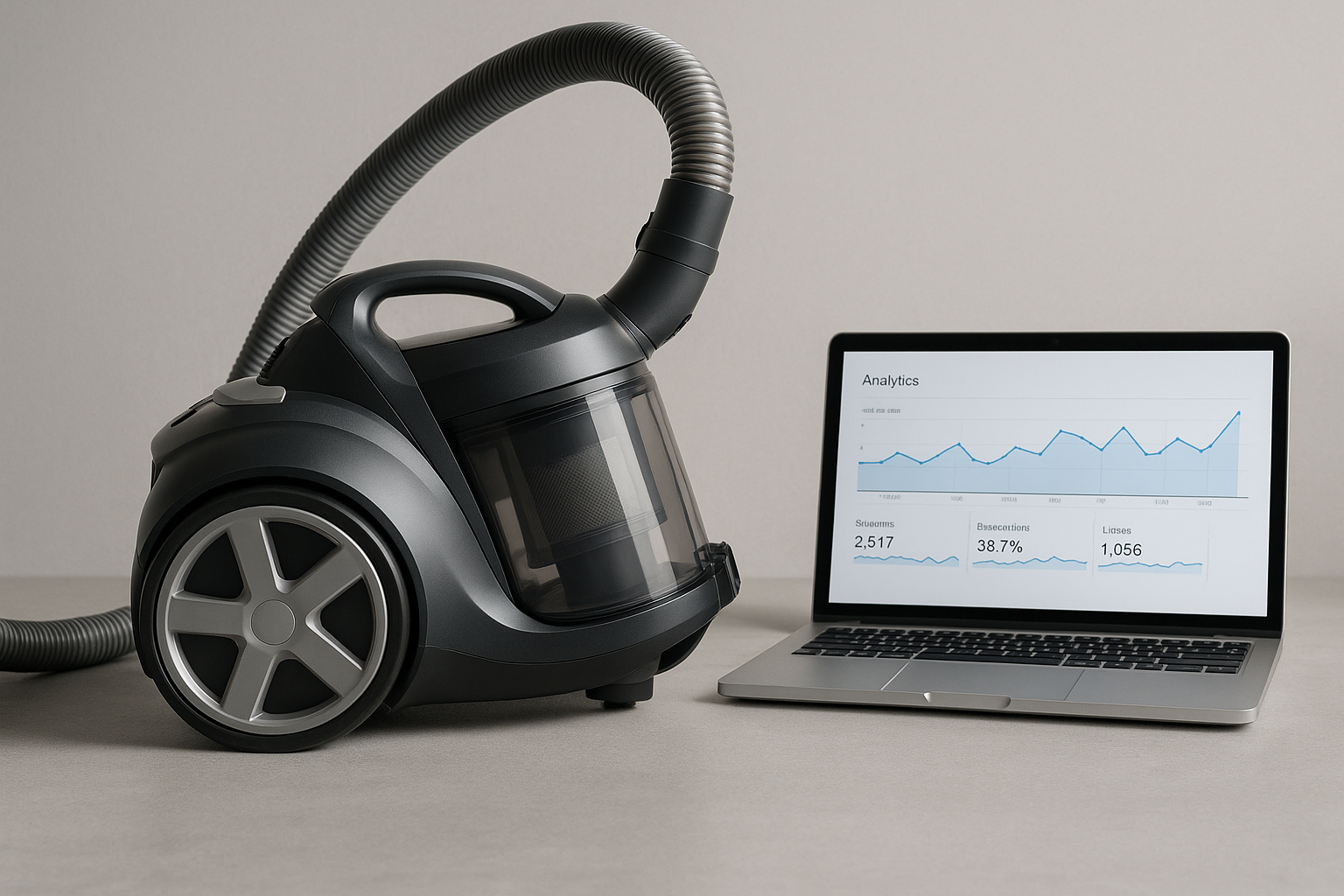
In today’s competitive vacuum cleaner industry, data is no longer a byproduct—it’s a strategic asset. As markets in Europe and the Middle East become more connected and customer expectations evolve, predictive analytics and usage data have emerged as the key to reducing warranty costs, improving operational efficiency, and increasing B2B client retention.
For manufacturers and distributors of smart cleaning devices, harnessing real-time performance data from products such as High Suction Vacuum Cleaners or Cordless Vacuum Cleaners can transform after-sales management from a reactive function into a predictive advantage.
1. The Warranty Challenge in the B2B Vacuum Market
Warranty claims represent a significant hidden cost for vacuum cleaner manufacturers. When a Quiet Vacuum Cleaner or Energy-Saving Smart Vacuum Cleaner fails prematurely, the brand not only loses money in repairs but also risks damaging its reputation.
The solution lies in predictive maintenance—using data analytics to foresee potential failures before they occur. Predictive models leverage IoT sensor data, performance metrics, and usage patterns to detect anomalies, enabling proactive intervention long before a customer files a claim.
👉 Industry Insight: McKinsey’s “AI and Predictive Maintenance” report estimates that predictive analytics can reduce warranty-related expenses by up to 30% in industrial equipment sectors.
2. Collecting Usage Data: Turning Vacuums into Smart Assets
Every modern vacuum cleaner is a potential data source. Sensors embedded in Portable Self-Cleaning Vacuum Cleaners, 4 in 1 Cordless Smart Wet & Dry Vacuum Cleaners, and Large-Capacity Wet Dry Vacuum Cleaners capture valuable information—motor temperature, suction efficiency, dust capacity, and run time.
When analyzed in aggregate, this data reveals critical insights into product reliability, component wear, and user behavior. Manufacturers can identify which regions experience higher failure rates, or whether certain operators are overusing equipment beyond recommended thresholds.
With this knowledge, brands can redesign parts, improve durability, and issue preventive maintenance alerts before costly downtime occurs.
3. Predictive Analytics: The Core of Smart Warranty Reduction
Predictive analytics models use machine learning to process thousands of data points per device. They identify patterns that humans often miss—like subtle performance declines in a Multi-Functional Long-Life Vacuum Cleaner after 500 operating hours.
By predicting when filters, motors, or batteries are likely to fail, manufacturers can proactively ship replacement parts, reducing customer frustration and eliminating warranty disputes.
Furthermore, integrating analytics into Cordless Handheld Vacuum Cleaners or Wet Dry Vacuum Cleaners allows OEM partners to offer data-backed warranties with tiered pricing models—rewarding customers who maintain optimal usage habits.
👉 Expert View: Forbes Tech Council notes that predictive analytics can extend product lifespan by up to 20%, dramatically improving after-sales profitability and client trust.
4. Data Transparency: Strengthening B2B Relationships
B2B clients—especially distributors and corporate facility managers—value transparency. Providing them access to real-time dashboards powered by IoT analytics enhances collaboration and trust.
For example, a hotel chain using Fast Lightweight Vacuum Cleaners across multiple sites can monitor machine uptime, energy consumption, and maintenance schedules remotely. When combined with proactive support from manufacturers, this transparency reduces perceived risk and increases long-term client retention.
Sharing usage data also allows brands to provide predictive service contracts, guaranteeing minimum downtime—a premium service model gaining traction in Europe’s industrial cleaning sector.
5. Reducing Warranty Costs Through Data Integration
To fully capitalize on predictive analytics, manufacturers must unify their data streams—product sensors, CRM systems, warranty claims, and customer feedback—into a centralized analytics platform.
A cloud-based infrastructure enables engineers to trace warranty issues back to root causes in real time. For instance, discovering that Car Vacuum Cleaners sold in high-humidity regions have higher motor failure rates allows immediate design improvements.
This level of insight transforms quality control from a reactive cost center into a predictive business advantage.
👉 Reference: Statista IoT in Manufacturing Report predicts that IoT-enabled analytics will save global manufacturers over USD 300 billion annually in maintenance and warranty costs by 2030.
6. Retaining B2B Clients with Proactive Service
Predictive analytics doesn’t just cut costs—it strengthens client relationships. B2B customers prefer working with manufacturers who anticipate problems before they happen.
By integrating predictive alerts and automated notifications into platforms that manage Energy-Saving Efficient Powerful Vacuum Cleaners or Cordless Vacuum Cleaners, OEM partners can deliver proactive service—ordering parts, scheduling technicians, or even initiating remote troubleshooting automatically.
These “invisible services” increase customer satisfaction and create switching barriers that lock in long-term loyalty. Predictive data turns the manufacturer-client relationship into a partnership built on reliability and foresight.
7. The Role of AI & Automation in the Next-Gen Warranty Ecosystem
Artificial intelligence is now automating warranty management workflows. AI-driven diagnostic systems analyze sensor data from Wet Dry Vacuum Cleaners and High Suction Vacuum Cleaners in real time, automatically classifying claim types and prioritizing risk levels.
Such systems can even simulate product usage scenarios, helping design engineers improve upcoming product generations. For example, AI models trained on Multi-Functional Durable Vacuum Cleaners can forecast optimal replacement intervals, allowing the company to offer customized service packages to each client.
8. Implementation Strategy: From Data to Action
Building a predictive analytics program requires alignment between technical, operational, and commercial teams. Key steps include:
IoT sensor standardization across product lines (e.g., Cordless Handheld Vacuum Cleaners)
Cloud-based data integration for warranty tracking
Machine learning model training to forecast failures
Customer dashboard development for B2B transparency
When executed correctly, this strategy reduces warranty claim volumes, enhances uptime, and strengthens client confidence—all while generating valuable insights for continuous improvement.
9. Case Example: Predictive Warranty Management in Practice
A leading European vacuum manufacturer integrated predictive analytics into its 4 in 1 Cordless Smart Wet & Dry Vacuum Cleaner series. Using real-time motor temperature data and filter airflow analysis, it was able to identify 85% of potential failures before they occurred.
The result: a 28% reduction in warranty costs, 40% faster service resolution times, and a 15% increase in B2B contract renewals. Predictive analytics didn’t just save money—it created a measurable competitive advantage.
Conclusion
Predictive analytics and usage data are reshaping the way vacuum cleaner manufacturers manage warranties and retain clients. By combining IoT sensors, machine learning, and proactive service strategies, brands can reduce operational costs, strengthen partnerships, and increase lifetime customer value.
For B2B vacuum cleaner buyers and OEM manufacturers, predictive analytics isn’t just a technical upgrade—it’s a strategic imperative. Those who leverage data effectively will dominate the next decade of smart cleaning innovation.
📌 Hashtags
HighSuctionVacuumCleaner, QuietVacuumCleaner, PortableSelfCleaningVacuumCleaner, MultiFunctionalDurableVacuumCleaner, FastLightweightVacuumCleaner, EnergySavingEfficientPowerfulVacuumCleaner, LargeCapacityWetDryVacuumCleaner, CordlessHandheldVacuumCleaner, WetDryVacuumCleaners, 4in1CordlessSmartWetDryVacuumCleaner, CordlessVacuumCleaner, CarVacuumCleaner, PredictiveAnalytics, WarrantyReduction, IoTData, SmartMaintenance, B2BClientRetention, VacuumIndustryInnovation, MachineLearningInManufacturing, DataDrivenAfterSales, SustainableServiceModel