Hi, message us with any questions.
We're happy to help!





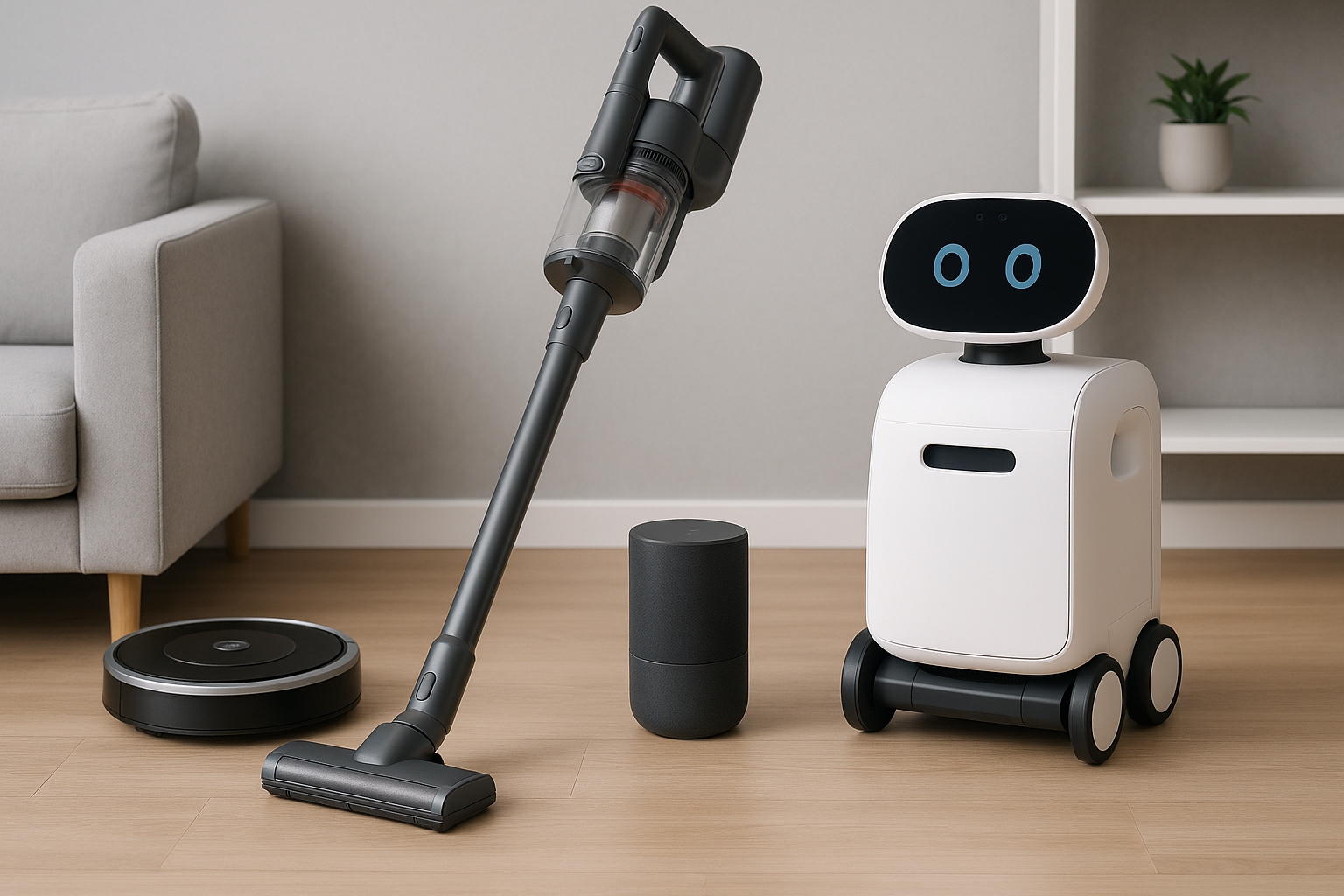
The global vacuum cleaner industry is entering its most transformative era. What used to be a hardware-centric business focused on suction power and price is rapidly evolving into an ecosystem-driven sector powered by strategic partnerships. Collaborations between smart home platforms, robotics firms, and professional cleaning companies are reshaping how vacuums are designed, marketed, and serviced.
In this new age of innovation, the vacuum cleaner is no longer just a cleaning device — it’s a connected node in an intelligent living ecosystem. For B2B buyers, OEM manufacturers, and distributors in Europe and the Middle East, understanding the role of these partnerships is essential for staying competitive.
1. The Shift: From Product Performance to Ecosystem Integration
Traditional metrics like suction strength or battery life are no longer enough to define competitiveness. A High Suction Vacuum Cleaner still matters, but today’s market leaders focus on integration — how seamlessly the device connects to smart home systems like Google Home, Alexa, or Apple HomeKit.
By partnering with smart home technology providers, vacuum brands can transform their products into voice-controlled, automated systems that fit into consumers’ digital lifestyles. The next-generation vacuum cleaner doesn’t just clean floors — it communicates, learns, and adapts.
👉 Industry Insight: According to McKinsey’s Future of Smart Home Report, over 65% of appliance manufacturers plan to integrate AI-powered automation and IoT ecosystems into their next product cycles by 2026.
2. Smart Home Partnerships: Expanding the Digital Ecosystem
Partnerships with smart home brands are now driving vacuum innovation. A Quiet Vacuum Cleaner integrated with home sensors can automatically start cleaning when a room is unoccupied, or sync with lighting and air purification systems for full-environment management.
For OEM factories and distributors, these partnerships enable new business models — such as “connected cleaning packages” or subscription-based maintenance through mobile apps.
Companies offering Energy-Saving Efficient Powerful Vacuum Cleaners now have the ability to provide customers with real-time energy analytics, pushing sustainability and convenience hand in hand.
3. Robotics Collaboration: Merging Hardware with Intelligence
Perhaps the most influential shift comes from collaboration with robotics companies. AI mapping, SLAM navigation, and self-learning algorithms are transforming the vacuum cleaner from a manual device into an autonomous robot.
Through joint R&D, brands are developing products like the 4 in 1 Cordless Smart Wet & Dry Vacuum Cleaner or Portable Self-Cleaning Vacuum Cleaner, which combine suction, mopping, and self-maintenance in one intelligent package. These advancements wouldn’t be possible without strategic cooperation between robotics engineers and traditional vacuum experts.
👉 Data Source: Forbes Technology Council reports that cross-industry R&D partnerships in robotics and appliances increase innovation efficiency by over 40%.
4. Cleaning Companies as Strategic Allies
Commercial cleaning firms are no longer just customers — they’re now co-developers. Partnerships between equipment manufacturers and cleaning service providers ensure that new devices meet real-world operational needs.
For example, Multi-Functional Durable Vacuum Cleaners are now designed with input from large-scale cleaning contractors to handle industrial surfaces and longer operating cycles.
Meanwhile, Cordless Handheld Vacuum Cleaners developed for commercial use integrate ergonomic design and faster recharge systems — features born from field testing in hotels, malls, and office buildings.
Such collaborations create a feedback loop that enhances product performance, improves serviceability, and ensures long-term client satisfaction.
5. Data and AI: The New Partnership Currency
Modern partnerships go beyond hardware and distribution. The most valuable asset is data — specifically, how devices like Wet Dry Vacuum Cleaners or Large-Capacity Wet Dry Vacuum Cleaners collect, transmit, and process information.
Through shared data platforms, manufacturers can predict maintenance cycles, optimize consumable supply chains, and even customize software updates remotely. Cleaning service providers benefit by optimizing their fleet utilization and energy efficiency, while end users experience smoother, proactive cleaning services.
👉 Reference: Statista Smart Home Market Data 2025 projects that global smart appliance connectivity will exceed 1.5 billion devices, with vacuum cleaners among the top five contributors.
6. Sustainability Through Collaboration
Strategic partnerships are also key to sustainability. Many brands are working with eco-material suppliers and recycling companies to reduce waste and carbon emissions.
For instance, Fast Lightweight Vacuum Cleaners and Car Vacuum Cleaners are increasingly made with recyclable plastics and modular components, ensuring easier repair and replacement.
Collaboration with green technology startups allows manufacturers to design Energy-Saving Efficient Powerful Vacuum Cleaners that meet both performance and environmental standards — a crucial factor for European and Middle Eastern buyers focused on ESG compliance.
7. OEM & ODM Partnerships: Accelerating Product Innovation
As the vacuum industry becomes more complex, no single company can manage every technology independently. OEM and ODM partnerships provide flexibility and speed.
A Cordless Vacuum Cleaner built through a specialized OEM partner might integrate AI chips or sensors from robotics firms, while the brand focuses on marketing, customer experience, and ecosystem positioning.
This division of expertise reduces time-to-market and ensures technical excellence, allowing smaller brands to compete with global leaders through collaboration rather than competition.
8. Future Outlook: The Convergence of Smart Cleaning and Service Models
Looking ahead, strategic partnerships will determine which brands survive the next vacuum transition. As Vacuum-as-a-Service (VaaS) models gain traction, partnerships will expand to include cloud service providers, data centers, and AI software developers.
B2B buyers will no longer choose products based on specs alone—they will evaluate ecosystems. A High Suction Vacuum Cleaner is only as valuable as the smart system that supports it.
For distributors, aligning with technology partners early is crucial to secure market share in this new, service-based vacuum economy.
Conclusion
The next vacuum revolution won’t be defined by motor power or battery duration—it will be powered by partnerships.
By aligning with smart home platforms, robotics innovators, and professional cleaning companies, manufacturers can accelerate product development, enhance sustainability, and build interconnected ecosystems that deliver long-term value.
In this era of collaboration, those who embrace partnerships will lead the next wave of innovation, while those who remain isolated will struggle to stay relevant.
📌 Hashtags
HighSuctionVacuumCleaner, QuietVacuumCleaner, PortableSelfCleaningVacuumCleaner, MultiFunctionalDurableVacuumCleaner, FastLightweightVacuumCleaner, EnergySavingEfficientPowerfulVacuumCleaner, LargeCapacityWetDryVacuumCleaner, CordlessHandheldVacuumCleaner, WetDryVacuumCleaners, 4in1CordlessSmartWetDryVacuumCleaner, CordlessVacuumCleaner, CarVacuumCleaner, SmartHomeIntegration, RoboticsPartnership, CleaningServiceInnovation, OEMODMManufacturing, SustainableCleaningSolutions, IoTVacuumTechnology, SmartApplianceEcosystem, B2BVacuumMarket, VacuumIndustryTransition



