How to Leverage Smart Technology to Transform the Vacuum Cleaner Industry for B2B Buyers?
How to Leverage Smart Technology to Transform the Vacuum Cleaner Industry for B2B Buyers
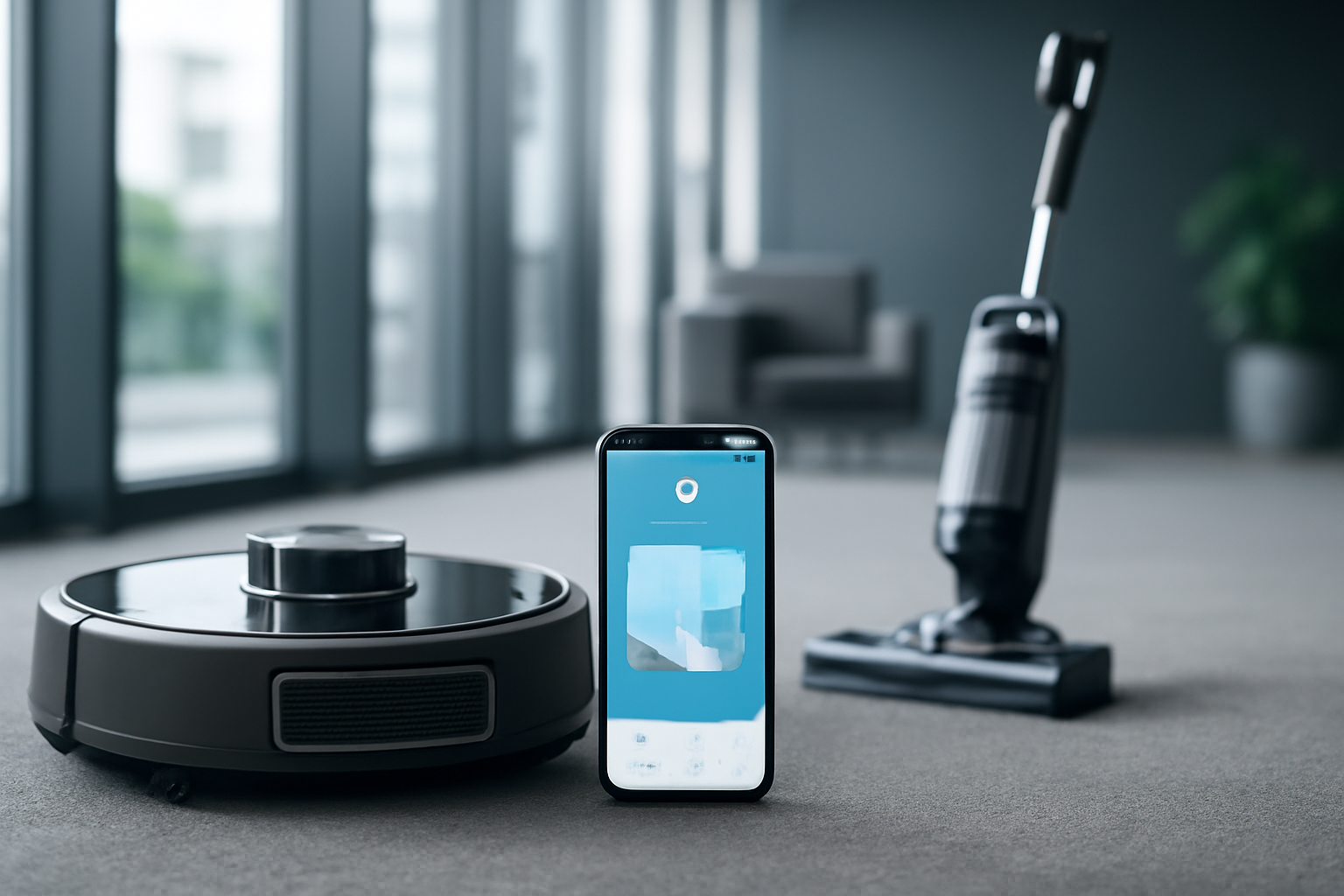
The vacuum cleaner industry has undergone significant transformations in recent years, largely due to the integration of smart technology. As businesses seek solutions that are both efficient and innovative, the role of smart technology in vacuum cleaner design has never been more important. In this article, we will explore how businesses, particularly B2B buyers, can leverage cutting-edge technology to enhance operations, improve customer satisfaction, and boost profitability.
Smart technology is revolutionizing the vacuum cleaner industry by incorporating features like self-cleaning systems, high suction capabilities, and energy-saving mechanisms that make these machines more efficient. As companies in sectors ranging from retail to hospitality demand cleaner, more durable equipment, integrating smart features offers a competitive edge.
For example, multi-functional vacuum cleaners are increasingly in demand. These machines offer businesses the ability to clean various surfaces, from carpets to hard floors, while maintaining high suction power for thorough cleaning. Additionally, lightweight designs and portable features ensure that these machines are easy to use and move around different workspaces. The demand for quiet operation is also rising, as businesses want to reduce noise disruption in environments like hotels and office buildings. Industry leaders such as Nilfisk have recognized the importance of quieter machines for enhancing user experience and customer satisfaction in commercial environments.
One of the most significant advancements in smart vacuum cleaners is their self-cleaning feature. The self-cleaning mechanism helps reduce the maintenance burden on businesses, saving time and labor costs. These machines are also designed to be durable, handling intense cleaning tasks that are ideal for high-traffic commercial spaces. According to a recent World Cleaning Organization report, businesses that adopt self-cleaning machines have seen a marked reduction in labor costs associated with manual cleaning and maintenance.
Incorporating energy-saving features is another advantage of modern vacuum cleaners. With an increased focus on sustainability, businesses are turning to efficient vacuum cleaners that consume less power while providing optimal performance. Moreover, advancements in wet and dry vacuum technology enable businesses to clean a wider range of materials and debris, improving efficiency and productivity.
A prime example of smart technology in the industry is the use of large-capacity vacuum cleaners, which are ideal for large-scale commercial cleaning operations. These vacuums help reduce downtime by requiring fewer trips to empty the container, thus improving operational efficiency. Leading manufacturers like Tennant Company are investing in larger, high-performance machines that streamline cleaning operations across a range of industries.
The future of the vacuum cleaner industry will continue to evolve as businesses embrace more powerful, high suction models that offer faster and more efficient results. For B2B buyers, choosing the right vacuum cleaner is essential to improving productivity and achieving optimal cleaning results in commercial operations.
As businesses increasingly turn to multi-functional, efficient, and durable cleaning solutions, the vacuum cleaner industry is poised for a bright future with smart technology at its core. Companies looking to stay competitive should invest in these advanced solutions, ensuring they remain ahead in the ever-evolving world of vacuum cleaner.
For more information, visit www.lxvacuum.com.