What Are the Key Sustainability Trends Driving the Future of Vacuum Cleaner Manufacturing?
What Are the Key Sustainability Trends Driving the Future of Vacuum Cleaner Manufacturing?-A2
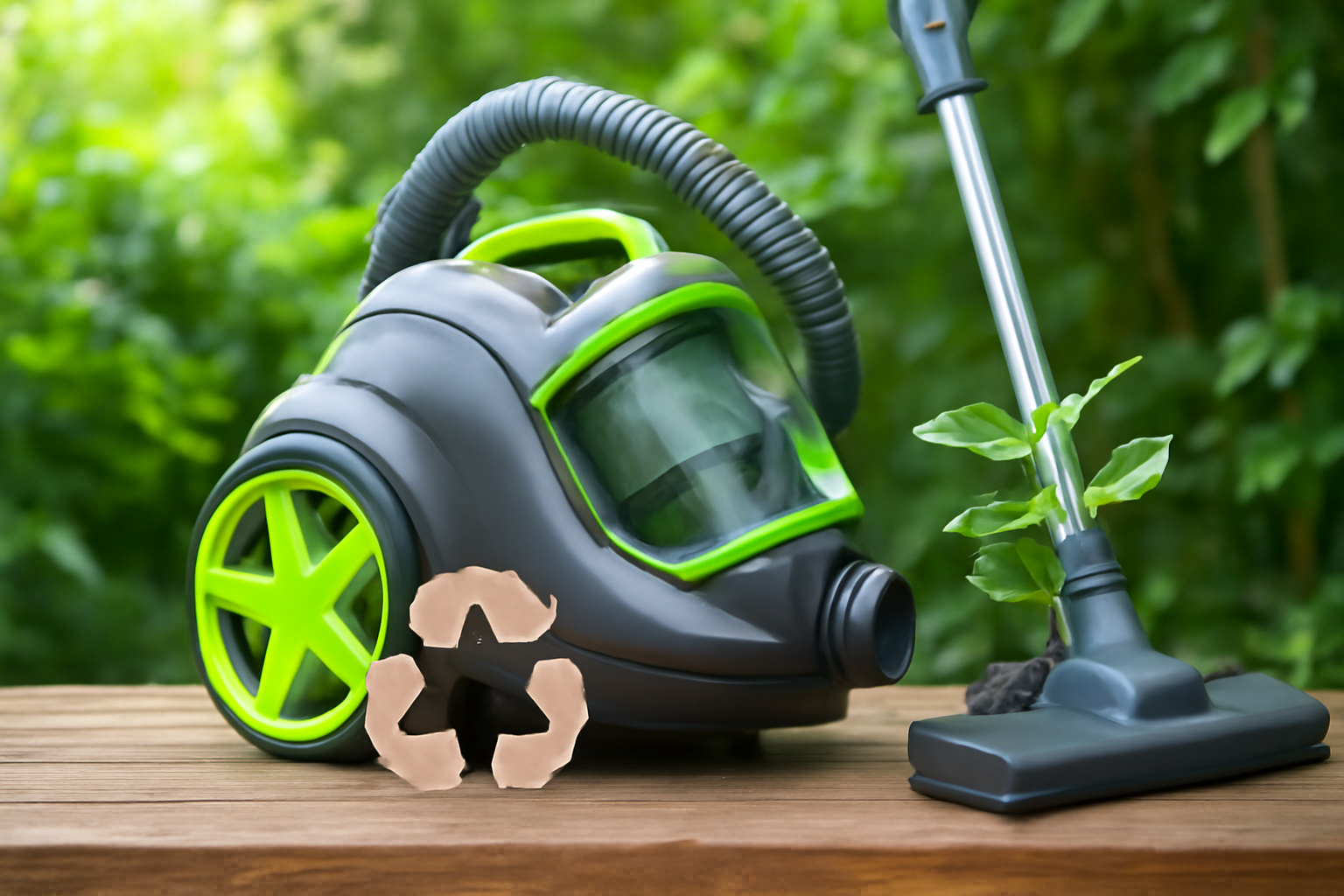
As the world becomes increasingly conscious of environmental impact, sustainability has become a significant trend in all industries, including vacuum cleaner manufacturing. With businesses and consumers demanding greener solutions, manufacturers are striving to reduce the environmental footprint of their products. In this article, we will explore the key sustainability trends shaping the future of vacuum cleaner manufacturing.
One of the primary trends is the shift towards energy-efficient designs. As the demand for sustainable products grows, manufacturers are developing models that consume less power while maintaining high performance. These energy-saving machines are designed to meet the needs of eco-conscious consumers and businesses. By using less energy, these models not only reduce the overall carbon footprint but also help lower electricity costs for users. Such innovations are becoming a top choice for both residential and commercial buyers seeking to reduce their environmental impact while improving cleaning efficiency with a vacuum cleaner.
Another sustainability trend is the move towards recyclable and biodegradable materials in product construction. Traditionally, products were made with plastics and other materials that were difficult to recycle. However, manufacturers are now using eco-friendly alternatives such as recycled plastics, biodegradable components, and sustainable packaging. This shift helps reduce the amount of waste that ends up in landfills and ensures that products are more environmentally friendly throughout their lifecycle. Companies like Dyson are at the forefront of using sustainable materials in their designs, making their products both durable and environmentally responsible.
Water-based filtration systems are also gaining traction in the industry as part of the sustainability trend. These systems use water to filter dust and debris, reducing the need for disposable filters and eliminating the environmental impact of frequent replacements. These filtration systems offer efficient cleaning, ensuring that both residential and commercial users can benefit from a cleaner environment without compromising sustainability.
Additionally, manufacturers are exploring ways to make cleaning machines more durable and long-lasting. The longer a product lasts, the fewer units need to be produced, reducing the overall consumption of resources. Many companies are now offering products with extended warranties and designs that prioritize longevity. By focusing on durability, manufacturers can contribute to reducing the environmental impact of their products while offering customers a more cost-effective solution.
The trend toward sustainable production processes is also significant. As manufacturers shift toward more eco-conscious production methods, they are looking for ways to reduce waste, lower emissions, and minimize the use of harmful chemicals in their manufacturing processes. Companies like Miele are implementing green manufacturing practices, ensuring that their products are produced in a way that aligns with sustainability goals. This includes using renewable energy sources and reducing water consumption during production.
Lastly, the development of smart machines that optimize energy use is becoming more prevalent. These models use sensors and artificial intelligence to adjust their power settings based on the cleaning task at hand. By automatically adjusting power levels, these smart machines can clean more efficiently while using less energy, contributing to overall sustainability.
In conclusion, sustainability is driving innovation in vacuum cleaner manufacturing. From energy-efficient designs to eco-friendly materials and sustainable production processes, these trends are shaping the future of the industry. As businesses and consumers continue to prioritize sustainability, the demand for environmentally conscious cleaning machines will likely rise, further accelerating these trends.
For more information on sustainability in the industry, visit Environmental Protection Agency (EPA).
For more information, visit www.lxvacuum.com.