Hi, message us with any questions.
We're happy to help!





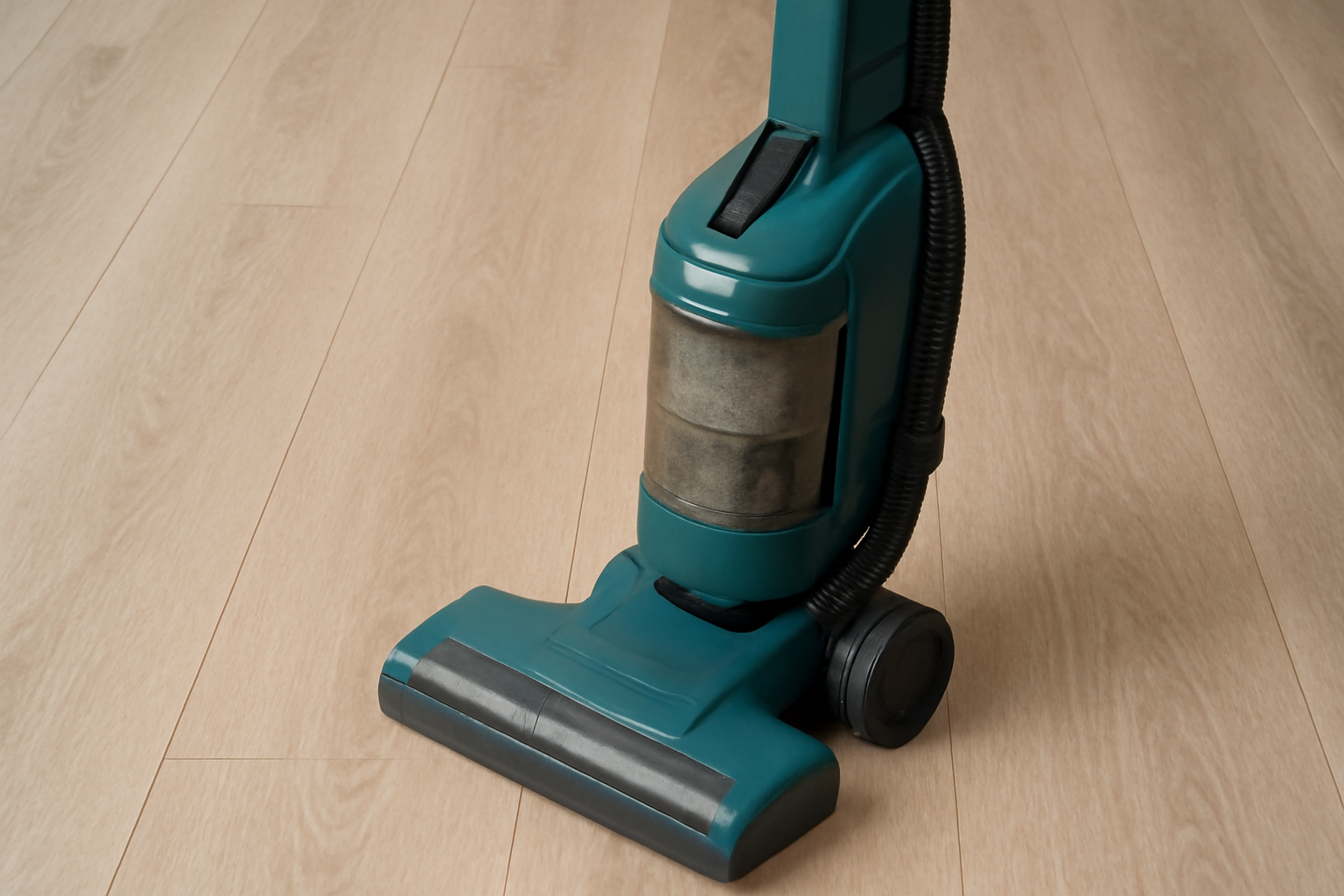
The vacuum cleaner industry is facing a new wave of public frustration. Reddit threads are exploding. Amazon reviews are brutal. GCC household groups are filled with complaints. And the most shocking part?
Most complaints are not coming from budget buyers — they’re coming from customers who paid $250–$350.
A $300 vacuum should be premium.
A $300 vacuum should clean flawlessly.
A $300 vacuum should outperform the best vacuum cleaners on a budget without breaking a sweat.
Yet users across Europe, the U.S., and the Middle East say the opposite:
“Weak suction.”
“Stops working after 30 seconds.”
“Filter clogs every week.”
“Brushroll jams instantly with hair.”
“My $70 vacuum was better than this.”
This article breaks down why mid-range vacuums are collapsing, why engineering has not kept up with marketing, and what distributors must demand from factories to avoid the next viral backlash.
🔍 1. The Harsh Reality: Mid-Range Vacuums Are Over-Engineered in the Wrong Places
Consumers assume a higher price means better performance.
But today’s market shows the opposite trend.
Why mid-range vacuums disappoint:
❌ Overly complex electronics
unnecessary sensors
cheap “smart” PCBs
fragile auto-adjust modes
low-accuracy dust detection
❌ Cosmetic-led design
slimmer airflow chambers
compact cyclone shapes
reduced dust-bin diameter
noise-suppression pads blocking ventilation
❌ Unstable suction architecture
poor turbulence control
narrow airflow pathways
low torque brush motors
These vacuums are engineered for shelf appeal, not durability.
Meanwhile, a simple good budget vacuum cleaner with:
bigger airflow channels
simpler filters
stable brush motor
no complicated sensors
…often performs better in real carpets, sand, and pet households.
🌀 2. Why Suction Drops Fast: The Airflow Engineering Problem No One Talks About
Ask any R&D engineer and they’ll confirm:
Suction is 70% airflow engineering, 30% motor power.
But marketing departments focus entirely on motor specs.
The result?
Mid-range vacuums often have:
stronger motors
weaker airflow
higher heat
faster clogging
accelerated suction decay
Especially in:
dusty GCC homes
European apartments with thick carpets
pet-heavy households
mixed-floor environments
This is why many buyers return $300 vacuums saying:
“Suction is great for 3 minutes, then disappears.”
It's not the motor.
It’s airflow collapse caused by inefficient pressure dynamics.
🧪 3. Filter Overload: The Silent Killer of Mid-Range Vacuums
To justify a higher selling price, many brands over-optimize filtration:
triple-layer HEPA
activated carbon
ultra-dense fine dust membranes
micro-particle layers
While these look great in marketing slides, they cause:
❌ 40–70% airflow restriction
❌ rapid clogging
❌ heat pressure buildup
❌ suction collapse
❌ motor overload
Many “premium” vacuums fail sooner than the simplest HEPA Filter Vacuum Cleaner systems that balance filtration density with airflow efficiency.
This is why real-world test labs often report that:
“The filters are too good for the vacuum’s airflow system.”
Clean air, but zero suction.
Not a good trade-off.
🐶 4. Pet Hair: The Engineering Weakness Most Brands Ignore
Pet households create the highest load environment for vacuums, especially in:
USA
UK
Germany
UAE
Saudi Arabia
Yet most mid-range vacuums still use:
narrow brushroll chambers
weak torque motors
non-tangle-resistant rollers
single-stage cyclones
Results:
brushroll jams
suction drops
filters clog
motors overheat
PCBs burn out
The irony?
Many best vacuum cleaners on a budget now outperform mid-range models because budget units return to traditional, durable hair-handling structures.
⚙️ 5. The Small Apartment Problem — Why Compact Homes Destroy Mid-Range Vacuums Faster
Small spaces = frequent, short cleaning cycles.
This stresses:
BMS chips
PCB regulators
micro-brush motors
sensors
high-density HEPA cyclones
Mid-range vacuums, crammed with electronics, fail more often.
Simple airflow-driven Apartment Vacuum Cleaner designs survive longer because their systems are not overcomplicated.
🚫 6. The D2C Problem: Influencer Claims vs. Real Performance
Modern mid-range vacuums often rely on:
influencer campaigns
Amazon optimization
heavy branding
exaggerated suction claims
“premium European design” positioning
But consumers quickly expose lies.
Platforms like:
Reddit
TikTok
Amazon reviews
GCC home appliance groups
Mumsnet
Quora
…show case after case of vacuums that cost $250–350 but perform worse than $80–120 budget models.
Brands win sales.
Distributors lose credibility.
Factories lose repeat orders.
📦 7. Procurement Blind Spots: Why Distributors Accidentally Choose Failing Models
Typical procurement mistakes:
❌ Believing suction numbers
❌ Trusting lab-only performance
❌ Over-focusing on cosmetics
❌ Not testing airflow at partial clogging
❌ Ignoring hair performance
❌ Relying on marketing filtration diagrams
❌ Not simulating GCC dust conditions
❌ Zero stress-testing in apartments
Smart procurement teams now demand:
✔ airflow decay curves
✔ filter resistance profiles
✔ brushroll torque maps
✔ pet hair wrap resistance
✔ HEPA airflow impact testing
✔ suction stability after 10 minutes
✔ 45°C hot room performance (for GCC)
✔ micro-cycle stress tests (for EU apartments)
Factories that can provide these data sheets win long-term trust.
✈️ 8. Why Portable Tech Is Rising: The Unexpected Winner
An interesting industry twist:
Portable Vacuum for Travel units are gaining buyers who gave up on mid-range vacuums.
Why?
Because:
they are simple
they are efficient
they don’t overheat
they don't over-filter
they don’t pretend to be “smart”
they perform consistently in high-dust micro-tasks
In other words:
“Small vacuums tell fewer lies.”
📈 9. The Market Is Shifting Toward: “Performance Honesty”
Consumers today want honesty:
honest suction
honest filtration
honest dust capacity
honest runtime
honest durability
This is why the best vacuums on a budget category is winning:
real performance
simple electronics
stable airflow
predictable results
While mid-range models collapse under their own marketing weight.
🌱 Conclusion: The $300 Vacuum Crisis Is a Wake-Up Call
Mid-range vacuums are not failing because users are demanding.
They fail because:
airflow is compromised
filtration is over-tightened
electronics are unnecessary
brushrolls are underpowered
pressure curves are unstable
heat management is weak
To win the EU and GCC markets, distributors must prioritize:
✔ engineering truth
✔ airflow stability
✔ HEPA efficiency without choking airflow
✔ real-world dirt behavior
✔ durability over cosmetics
✔ scenario solutions (pet, apartment, car, dust)
The winners of the next decade will be the brands that design:
trustworthy
stable
predictable
scenario-tuned
airflow-optimized
…vacuum cleaners that actually work.
Hashtags
#lanxstar #BestVacuumCleanersOnABudget #GoodBudgetVacuumCleaner #PortableVacuumForTravel#HEPAFilterVacuumCleaner #VacuumEngineering #AirflowDesign #CycloneTechnology#SuctionPerformance #MiddleEastDistributors #EuropeanDistributors #VacuumODM#VacuumOEM #PetHairVacuum #ApartmentVacuumSolutions #DustManagementSystems#CleaningTech2025 #SmartHomeCleaning #MotorPerformanceDesign #ConsumerInsights#ProcurementStrategies #DurabilityEngineering #HEPASystems #AffordableVacuum#NoiseReductionTech #DustExtractionEngineering #CarCleaningVacuum#BatteryThermalManagement #BrushrollDesign #AntiTangleVacuum#GCCCleaningMarket #EUHomeApplianceMarket #VacuumTestingStandards#ProductReliability #CompactVacuumDesign #LightweightVacuum#AirflowEfficiency #HighPerformanceVacuum #ValueDrivenDesign#RealWorldCleaning #VacuumMarketTrends #SmartFiltrationTech#HomeApplianceInnovation #CleaningPerformance #NextGenVacuum#DistributorInsights #EngineeringExcellence #ProductDesignTruth



