Hi, message us with any questions.
We're happy to help!





Introduction 🌍
Southeast Asia, a region known for its rapid urbanization and increasing tech adoption, is seeing a revolution in office cleaning practices. Traditional cleaning methods are being replaced by high-tech solutions that promise not only enhanced cleanliness but also improved efficiency and cost-effectiveness. Among these innovations, robotic vacuums and AI-powered cleaning devices are leading the charge, transforming the way businesses maintain their office spaces. For procurement professionals, distributors, and product developers in Southeast Asia and the Middle East, understanding the latest trends in automated vacuum cleaners is essential for staying competitive and meeting the growing demand for smart office cleaning solutions.
This article delves into how AI-driven vacuums, energy-efficient cleaning devices, and wireless models are reshaping office environments across Southeast Asia. It provides an in-depth look at how these devices offer solutions that meet both operational efficiency and sustainability goals.
1. The Shift Toward Smart Cleaning Technology in Southeast Asia 🌐
As businesses across Southeast Asia continue to embrace automation, the adoption of smart technologies like AI-powered vacuum cleaners is becoming increasingly popular. The region's growing demand for innovative office solutions presents a significant opportunity for distributors and buyers of cleaning equipment. Traditional vacuum cleaners are no longer sufficient in meeting the demands of modern office environments, where cleaning needs to be both efficient and discreet.
Take, for example, a growing tech startup in Singapore, TechNova Solutions. A few months ago, the company faced a major challenge: their office cleaning team struggled to keep up with the high volume of foot traffic and the frequent need for spot cleaning. The cleaning staff spent several hours every day in high-traffic areas like the meeting rooms and kitchen, which led to downtime and inefficiency in both cleaning and employee productivity.
To address this, the company decided to implement AI-powered robotic vacuums. These smart devices were programmed to clean after hours, adjust cleaning intensity based on the dirt level, and even return to their docking stations when the battery was low. The results were immediate: the office was consistently clean when employees arrived in the morning, and the cleaning tasks were no longer interrupting work hours.
Smart vacuums equipped with wireless connectivity, AI, and advanced sensors are changing the landscape of office cleaning. These devices can be programmed to work during off-hours, clean specific areas of the office, and even return to their docking stations automatically for charging. This level of automation reduces labor costs and ensures consistent cleaning without the need for constant supervision.
For businesses looking to improve office cleanliness while reducing overheads, AI-powered cleaning solutions offer a practical and innovative solution. Their seamless integration into office environments makes them an attractive option for businesses across Southeast Asia and the Middle East.
2. AI-Driven Innovation: Enhancing Cleaning Efficiency 🧠
One of the defining features of modern smart vacuum cleaners is their integration of artificial intelligence (AI). This technology allows vacuum cleaners to "learn" the layout of an office, adapt to various floor types, and optimize their cleaning patterns accordingly. Whether dealing with carpet, hardwood, or tile floors, AI-powered vacuums adjust their suction power and cleaning mode for maximum efficiency.
In office environments, where there are varying surfaces and obstacles like furniture, AI in automated vacuums plays a critical role in ensuring thorough cleaning. For procurement specialists and product developers, understanding how AI can be leveraged in wireless models or other office cleaning devices is key to creating value-added solutions for their clients.
AI also allows these devices to detect areas that require extra attention, ensuring a high level of cleanliness across the office without manual intervention. This ability to adapt in real-time reduces the need for re-cleaning, enhancing overall productivity and saving businesses both time and money.
3. Energy-Efficiency: Meeting Sustainability Goals 🌱
In today’s business world, energy efficiency is a top priority, particularly in regions like Southeast Asia and the Middle East, where energy costs are rising. As businesses and organizations strive to reduce their environmental impact, eco-friendly vacuum cleaners are becoming more desirable.
Energy-efficient vacuums are designed to consume less power while maintaining powerful cleaning performance. Many models incorporate advanced battery technologies that extend their runtime without sacrificing suction strength. This is particularly important for offices with larger spaces or multiple floors, where longer operational times are required.
For example, TechNova Solutions was not only looking to reduce labor costs but also aimed to meet its sustainability goals. After implementing energy-efficient robotic vacuums, the company saw a 20% reduction in energy consumption from their cleaning operations, which aligned with their eco-friendly office policies. This move not only saved on energy bills but also reduced the company's carbon footprint, earning them recognition as an environmentally conscious business in the tech community.
For distributors and B2B buyers in Southeast Asia and the Middle East, offering products that meet the demand for energy-efficient vacuums can help build stronger relationships with environmentally conscious clients and businesses looking to reduce their operational costs.
4. Wireless Vacuum Cleaners: A Game Changer for Office Cleaning ⚡
Another significant advancement in smart vacuum cleaners is the shift toward wireless models. Traditional vacuum cleaners often require extensive maneuvering due to cords, limiting flexibility and increasing the time needed for cleaning tasks. Cord-free vacuum cleaners eliminate these obstacles, making it easier to clean large office spaces or difficult-to-reach areas.
Take GlobalTech Solutions, a multinational company with offices spread across Southeast Asia. In their large regional office in Bangkok, cleaning personnel struggled to efficiently clean tight spaces between desks and under office furniture. After switching to wireless vacuum cleaners, the team was able to clean without worrying about tangled cords, significantly reducing cleaning time and increasing efficiency.
The move toward wireless technology also aligns with the trend toward more compact and portable devices. Wireless vacuum cleaners are lighter and more agile, making them ideal for cleaning smaller office areas, tight corners, or spaces around furniture. With no cords to worry about, office cleaning can be completed more quickly and efficiently, reducing disruptions in the workplace.
For office cleaning service providers and procurement managers in Southeast Asia and the Middle East, adopting cord-free vacuum cleaners can significantly enhance cleaning efficiency. These vacuums provide an easy-to-use, hassle-free solution for maintaining clean office spaces without the need for additional training or specialized equipment.
5. Smart Vacuums: Saving Time and Boosting Productivity 💼
In busy office environments, time is of the essence. Automated vacuums help businesses save valuable time by automating cleaning tasks. Instead of requiring manual labor, these vacuums can operate autonomously, cleaning office spaces while employees focus on their work.
For example, AI-powered vacuums can be programmed to run at specific times, even when employees are not in the office. This means that when employees arrive the next day, they are greeted by clean, dust-free spaces without any disruption to their workday. This feature is particularly beneficial for businesses that require consistent cleanliness without investing in a large cleaning staff.
By investing in smart cleaning technology, businesses can reduce the need for scheduled cleaning services, cutting costs while increasing productivity. Wireless, AI-powered vacuums can clean high-traffic areas more frequently and target problem spots, ensuring that offices remain tidy and presentable without significant additional effort.
6. Household Vacuum Cleaners Transitioning to Office Use 🏠➡️🏢
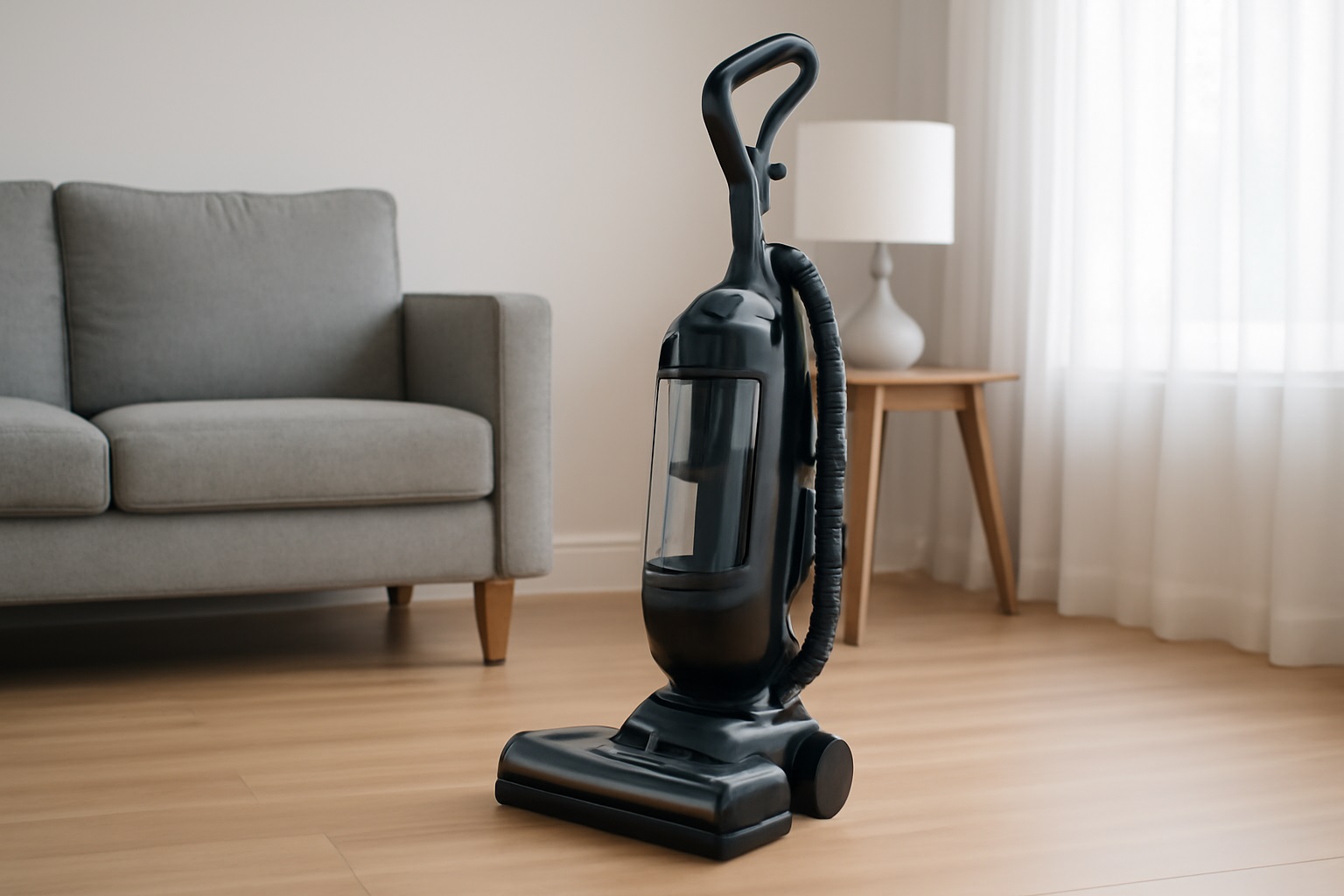
While household vacuum cleaners have traditionally been used for home cleaning, their more powerful and feature-rich counterparts are now making their way into office environments. Upright vacuum cleaners designed for residential use are being adapted for office spaces, offering businesses a cost-effective cleaning solution without sacrificing quality.
For smaller businesses or startups in Southeast Asia and the Middle East, affordable vacuum cleaners offer a practical alternative to industrial-grade models. These vacuums are more affordable and still provide excellent cleaning power for office environments, making them an ideal choice for budget-conscious buyers.
By leveraging the popularity of energy-efficient, upright vacuums, distributors and manufacturers can cater to a wider audience, offering products that meet the diverse needs of businesses across the region.
7. The Future of Smart Vacuums in Southeast Asia and the Middle East 🚀
The future of smart vacuum cleaners in Southeast Asia and the Middle East looks promising, with continual advancements in AI, battery technology, and energy efficiency. As businesses increasingly prioritize sustainability and automation, the demand for these advanced cleaning solutions will only grow.
For businesses involved in the cleaning equipment supply chain, staying ahead of these trends is crucial. Offering smart vacuums that incorporate the latest technological innovations, such as advanced AI and wireless capabilities, will position suppliers as leaders in the market. Moreover, these devices provide a competitive edge by addressing not only operational efficiency but also environmental concerns.
Conclusion 🏁
Smart vacuums are transforming office cleaning across Southeast Asia and the Middle East, providing businesses with innovative, eco-friendly, and cost-effective solutions for maintaining clean environments. By leveraging AI-driven vacuums, energy-efficient models, and wireless technology, companies can automate their cleaning processes, improve productivity, and reduce operational costs.
As the demand for smart office solutions continues to rise, businesses in the cleaning equipment sector have an opportunity to meet this growing need by offering cutting-edge products that provide real value to customers.
Hashtags:
SmartVacuumCleaners, AIinVacuum, EnergyEfficientVacuum, WirelessVacuum, UprightVacuum, HouseholdVacuumCleaners, SmartOfficeCleaning, SoutheastAsia, MiddleEast, VacuumTechnology, CleaningSolutions, SustainableCleaning, OfficeAutomation, ProductivityBoost, CleaningInnovation, CostEffectiveCleaning, VacuumPurchasing, B2BVacuum, CleaningEquipment, VacuumProductDevelopment, OfficeProductivity, GreenCleaning, AIvacuumTechnology, BatteryPoweredVacuum, WirelessCleaningSolution, TechInCleaning, CleanerOffices, AIHomeTech, SustainabilityInCleaning, AdvancedVacuumTechnology, BusinessCleaningSolutions, VacuumMaintenance, VacuumSuppliers, SmartCleaning, VacuumRevolution, VacuumMarket, VacuumTrends, OfficeTech, NextGenVacuum, AutomationInCleaning, BusinessEfficiency, EcoFriendlyVacuum, SoutheastAsiaCleaning, MiddleEastCleaning, VacuumInnovation, IntelligentVacuum, TechDrivenCleaning, AutomatedOfficeCleaning, CommercialVacuum, FacilityManagement, VacuumDistributor, VacuumService, AutomatedVacuum, VacuumCleaningTechnology, VacuumApplications, Lanxstar.



