Hi, message us with any questions.
We're happy to help!





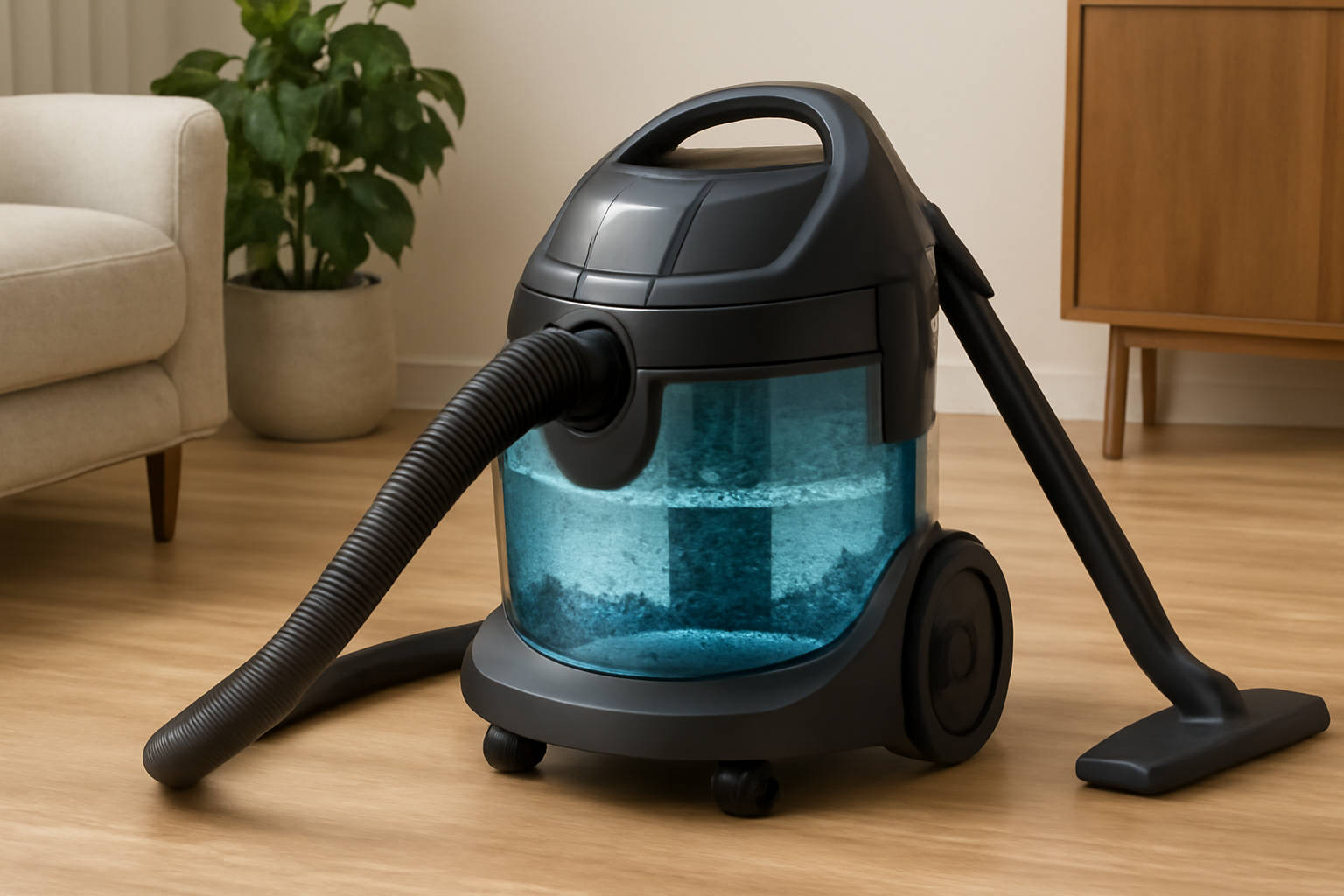
The global vacuum cleaner industry has entered a technological crossroads.
For the first time in a decade, three core technologies are battling for dominance:
Cyclone Systems
Brushless Motor Power Platforms
Intelligent Floor Recognition Algorithms
Every manufacturer, distributor, and engineer is trying to predict the winning direction.
Because the winner will define:
future procurement standards
retail pricing structures
engineering priorities
energy efficiency regulations
product differentiation strategies
In this article, we break down these three technologies from the perspective of real-world performance, manufacturing feasibility, ROI for distributors, and user experience impact.
We also naturally integrate key categories such as Upright Vacuum Cleaners, Household Vacuum Cleaners, Cordless Handheld High Suction Vacuum Cleaner, Wet Dry Vacuum Cleaners, 4 in 1 Cordless Smart Wet & Dry Vacuum Cleaner, and procurement behaviors tied to Vacuum for Multi-Surface needs.
Let’s examine the clash of cleaning titans.
🌪️ 1. Cyclone Systems: The Old King Fighting to Stay Relevant
Cyclone separation has dominated the past 15 years of vacuum development.
Its core strengths:
powerful airflow velocity
reduced filter clogging
stable long-term suction
lower maintenance cost
long service life
This makes it ideal for:
Upright Vacuum Cleaners
dust-heavy regions (Middle East)
pet hair applications
multi-room cleaning cycles
But the challenges in 2025 are significant:
high noise levels
bulky architecture
poor low-power efficiency
declining performance in compact designs
Consumers now want quietness, lighter weight, and compact form factors, all of which cyclone structures struggle to deliver.
Cyclone tech is still strong, but its crown is slipping.
⚡ 2. Brushless Motors: The Efficiency King of the New Era
Brushless motors have exploded in adoption due to:
higher efficiency
longer lifespan
stronger torque
reduced heat generation
lower noise
smoother RPM control
Brushless systems outperform traditional motors in nearly every engineering metric.
This is why they dominate in:
Cordless Handheld High Suction Vacuum Cleaner
Fast Lightweight Vacuum Cleaner
Household Vacuum Cleaners
premium Upright Vacuum Cleaners
Why brushless motors are winning:
more suction per watt
better battery compatibility
ideal for compact vacuum designs
lower service costs
high ROI for distributors due to lower defect rates
Brushless is no longer a premium option—
it is becoming the industry baseline.
🧠 3. Intelligent Floor Recognition: The Silent Disruptor
This technology adjusts:
suction power
brush torque
airflow direction
roller speed
In real time, based on surface detection.
It’s already used in 4 in 1 Cordless Smart Wet & Dry Vacuum Cleaner models and advanced cordless systems.
Why it matters:
Users no longer want to think while cleaning.
They want the vacuum to:
detect carpets automatically
avoid damaging hardwood
boost torque for pet hair
reduce power for tiles
extend battery life intelligently
This technology doesn’t just improve performance—
it changes how people clean.
Threat level: HIGH
Because intelligent recognition makes older manual-switch designs feel obsolete overnight.
🧪 4. Wet & Dry Hybrid Systems Are Forcing a Rethink of Traditional Engineering
Wet Dry Vacuum Cleaners and hybrid rollers have become mainstream due to:
rising demand for kitchen spill cleaning
open-concept floorplans
multi-surface homes
pet stains
minimalism-driven hard floor adoption
This pushes motor, airflow, and filtration engineering into a new territory.
Cyclones struggle with wet materials.
Brushless motors handle the torque demands better.
Floor recognition systems excel with moisture detection.
The hybrid era favors smart + brushless + adaptable designs.
🔧 5. Which Technology Offers the Best ROI for Distributors?
Cyclone Systems
Pros: durable, great for heavy debris, strong long-term suction
Cons: noisier, bulkier
Best for: value models, heavy-duty Upright Vacuum Cleaners
Brushless Motors
Pros: low defect rate, high satisfaction, efficient battery use
Cons: initially higher cost
Best for: mid to high-end cordless units
Intelligent Floor Recognition
Pros: highest consumer “wow factor,” premium upsell potential
Cons: firmware reliability must be perfect
Best for: smart cordless, hybrid wet/dry systems
Distributors confirmed:
“Brushless motors deliver the best repeat orders.”
“Intelligent sensors drive the highest retail margins.”
“Cyclone designs sell best in heavy-dust markets.”
⚙️ 6. Engineering Battle Summary: Strengths vs Weaknesses
| Technology | Strength | Weakness | 2025 Market Outlook |
|---|---|---|---|
| Cyclone System | Great airflow & durability | Heavy, noisy | Stable but shrinking |
| Brushless Motor | Efficient, quiet, powerful | Costlier | Fast-growing baseline |
| Intelligent Floor Recognition | Adaptive performance | Firmware sensitivity | Explosive growth |
Brushless + smart floor sensors is becoming a winning formula.
🎯 7. Which Technology Will Dominate the Next Decade? (2025–2035)
Based on current data:
🥇 Winner: Brushless Motor Systems + Smart Recognition Algorithms
Why?
align with consumer trends
maximize battery performance
reduce noise
deliver best multi-surface cleaning
minimize returns
offer the best distributor ROI
enable compact future designs
🥈 Runner-Up: Hybrid Wet/Dry Intelligent Systems
Ideal for kitchens, modern flooring, and compact homes.
🥉 Reliable Niche: Cyclone Systems
Still valuable in regions like the Middle East and for powerful Upright Vacuum Cleaners, but no longer the global leader.
🏁 Conclusion: The Era of “Intelligent Efficiency” Has Begun
The next generation of vacuums will be defined by:
brushless power
smart sensors
adaptive multi-surface cleaning
compact architecture
quiet operation
energy-saving efficiency
Manufacturers who cling to high-suction cyclone marketing will fall behind.
Manufacturers who embrace intelligent, efficient, brushless systems will lead the next decade.
The war is over.
The future is silent, smart, and brushless.
Hashtags
lanxstar, #brushlessmotor, #cyclonetechnology, #smartcleaning, #uprightvacuum, #householdvacuum, #cordlessvacuum, #multisurfacecleaning, #cleaningtech, #innovation2025, #wetdryvacuum, #energytech, #sensorpowered, #vacuummarket, #vacuumengineering, #globalprocurement, #producttrends, #firmwaredesign, #quietcleaning, #lightweightvacuum, #premiumvacuum, #distributorinsights, #manufacturing, #oemvacuum, #odmvacuum, #airflowdesign, #torquetech, #cleaningfuture, #usmarket, #europemarket, #gccmarket, #highperformancecleaning, #batterytech, #smarthomes, #homeinnovation, #floorrecognition, #engineeringdesign, #consumerbehavior, #marketshift, #technologywar, #cleaningrevolution, #powerplatforms, #buyersguide, #industryanalysis, #cleanliving, #petcleaning



