Hi, message us with any questions.
We're happy to help!





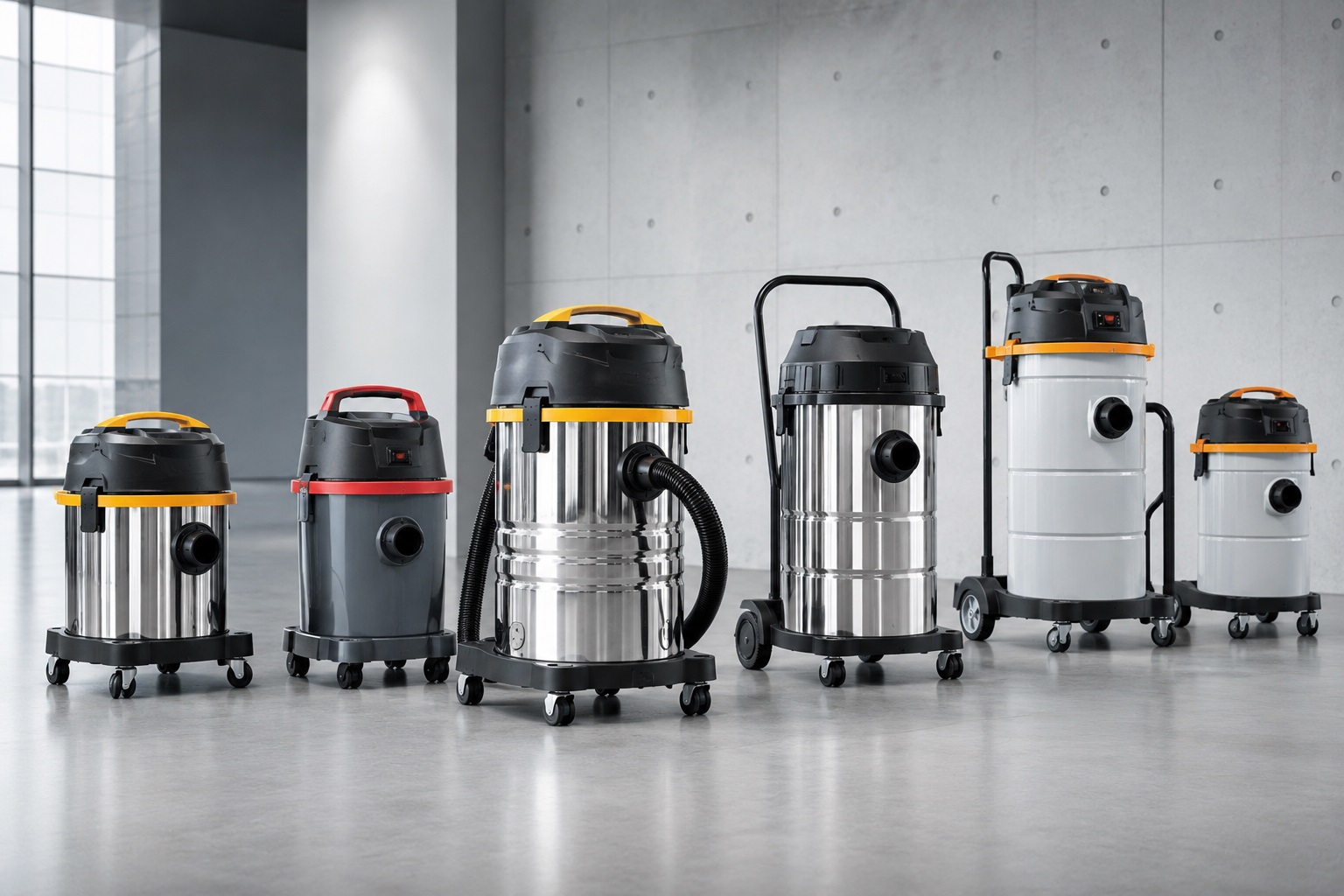
The global vacuum cleaner industry is becoming increasingly crowded.
Every year, thousands of new products enter the market through:
OEM factories
private-label programs
e-commerce sellers
wholesale distributors
Most of these products compete using:
lower pricing
copied designs
generic packaging
short-term sales tactics
As a result, the market is flooded with brands that look almost identical.
But in modern B2B markets, buyers no longer choose suppliers based only on products.
They increasingly choose based on:
operational trust
supply chain stability
product consistency
after-sales confidence
long-term reliability
This is why building a professional vacuum cleaner brand strategy has become one of the most important growth drivers in the industry.
Today:
branding is no longer just marketing.
In B2B markets, branding has become:
risk management
operational positioning
distributor confidence
long-term commercial credibility
🧠 Why Most Vacuum Cleaner Brands Fail Within 3 Years
One of the biggest misconceptions in the vacuum industry is believing:
a logo equals a brand.
In reality, many private label vacuum businesses fail because they rely entirely on:
generic OEM catalogs
low-price competition
copied product positioning
unstable suppliers
Initially, these brands may generate sales through aggressive pricing.
But over time, they face:
shrinking margins
retailer replacement
inconsistent quality
poor customer retention
negative reviews
The result:
the brand becomes interchangeable.
And in B2B markets, interchangeable brands rarely survive long term.
📉 Why Cheap Branding Strategies Usually Collapse
Many startup brands focus heavily on:
packaging design
logos
social media appearance
while ignoring:
operational value
engineering reliability
spare parts systems
supply chain consistency
This creates a dangerous gap between:
visual branding
and
operational branding.
Professional buyers eventually notice this difference.
Especially in:
Europe
North America
commercial cleaning industries
where distributors increasingly evaluate:
supplier stability
technical documentation
warranty management
product consistency
instead of marketing appearance alone.
🏭 Real Business Scenario: Why One Vacuum Brand Lost Distributor Support
A regional vacuum cleaner company launched a private-label product line targeting budget retailers.
Initially, sales grew quickly because pricing was lower than established competitors.
However, major operational problems appeared within two years:
inconsistent motor quality
delayed spare parts
unstable packaging standards
rising warranty claims
Retailers eventually reduced orders and shifted toward brands offering:
stronger OEM support
stable product quality
faster after-sales response
better inventory continuity
The company realized an important lesson:
distributors stay loyal to operational reliability, not temporary low pricing.
🚨 Why Generic Vacuum Brands Will Struggle in the Next 5 Years
The vacuum industry is entering a new competitive phase driven by:
AI-powered e-commerce
rising advertising costs
faster product cycles
shrinking distributor loyalty
marketplace saturation
In this environment, generic products become extremely vulnerable.
Why?
Because platforms like:
Amazon
Walmart Marketplace
regional B2B platforms
make price comparison easier than ever.
This creates:
severe margin pressure
weaker customer loyalty
faster product replacement cycles
As a result:
brands without differentiation will increasingly compete only on price.
And price-only competition rarely creates sustainable profitability.
💰 Why Strong Vacuum Brands Create Higher Margins
One of the biggest misunderstandings in B2B manufacturing is believing:
branding only increases marketing cost.
In reality, strong branding often improves profitability.
Professional B2B vacuum branding helps companies achieve:
stronger distributor loyalty
reduced price sensitivity
lower return rates
higher repeat purchasing
improved retailer positioning
When distributors trust a brand’s:
product consistency
spare parts ecosystem
operational stability
they become less likely to switch suppliers purely for lower pricing.
This creates stronger long-term margins.
📦 Real Market Example: Operational Branding vs Price Branding
A commercial cleaning vacuum brand positioned itself around:
low maintenance
stable airflow performance
long-term durability
easy spare part replacement
instead of competing mainly on pricing.
The company invested heavily in:
technical manuals
standardized QC systems
accessory compatibility
distributor training support
Over time, the brand achieved:
stronger contractor loyalty
better distributor retention
lower warranty disputes
higher average selling prices
The key lesson:
operational trust creates pricing power.
🎯 Step 1: Define a Clear Market Position
One of the biggest branding mistakes is trying to target every customer segment.
Strong B2B vacuum brands usually specialize in:
commercial cleaning
industrial maintenance
hospitality cleaning
warehouse operations
premium residential markets
Focused positioning creates:
clearer messaging
stronger differentiation
better distributor confidence
because buyers understand exactly:
what the brand stands for.
🛠️ Step 2: Build Around Product Consistency
In B2B markets, consistency is more valuable than occasional innovation.
Distributors fear:
changing motor quality
unstable airflow performance
inconsistent plastics
unreliable packaging
because inconsistency damages:
retailer relationships
online reviews
long-term contracts
Professional OEM vacuum manufacturers increasingly understand:
stable engineering builds stronger brands than aggressive pricing.
🔬 Engineering Insight: Why Some OEM Factories Cannot Build Strong Brands
Many factories focus heavily on:
short-term production volume
low-cost component sourcing
rapid quotation competition
while ignoring:
long-term engineering consistency
product lifecycle stability
brand positioning logic
Some factories frequently change:
motor suppliers
plastic materials
hose vendors
to reduce manufacturing costs.
This creates:
unstable product quality
inconsistent user experience
spare parts incompatibility
distributor frustration
Strong vacuum brands require:
stable manufacturing systems
repeatable QC standards
long-term component consistency
because brand trust depends heavily on predictable product performance.
🧩 Step 3: Create Real Product Differentiation
Many vacuum cleaner brands fail because their products are visually identical to competitors.
Modern distributors increasingly seek:
custom vacuum cleaner configurations
exclusive accessories
differentiated packaging
unique commercial positioning
This is why custom development is becoming more important in modern B2B vacuum branding.
🏭 Real OEM Branding Scenario
A European importer partnered with an OEM vacuum manufacturer to develop:
quieter motor systems
region-specific accessories
exclusive hose colors
custom commercial packaging
Although production costs increased slightly, the brand gained:
stronger distributor loyalty
better retailer differentiation
higher average selling prices
improved long-term brand identity
The company realized:
unique positioning creates stronger margins than low pricing.
🌍 Why Supply Chain Reliability Is Part of the Brand
One of the most overlooked branding factors is supply chain stability.
Many companies invest heavily in:
websites
logo design
advertising campaigns
while ignoring:
lead time consistency
spare parts continuity
inventory responsiveness
logistics coordination
But in B2B markets:
supply chain reliability IS part of the brand.
Late shipments and unstable inventory damage brand trust faster than weak marketing.
This is especially critical in:
commercial cleaning industries
industrial procurement sectors
distributor partnerships
where operational delays create direct financial impact.
📈 Why Private Label Vacuum Brands Are Growing Faster Online
One major industry shift is the growth of specialized private-label brands.
Many distributors now prefer launching niche vacuum brands targeting:
commercial cleaning contractors
hospitality industries
industrial maintenance sectors
premium residential users
because modern e-commerce allows:
direct customer targeting
regional positioning
niche branding strategies
Private-label brands with:
strong operational positioning
reliable OEM support
differentiated products
are increasingly outperforming generic wholesale models.
📊 What Modern B2B Buyers Expect from Vacuum Brands
| Buyer Expectation | Operational Impact |
|---|---|
| Product Consistency | Reduce warranty risk |
| Stable OEM Support | Improve long-term confidence |
| Spare Parts Availability | Strengthen after-sales systems |
| Brand Differentiation | Avoid price competition |
| Technical Documentation | Increase procurement trust |
| Certification Compliance | Meet regional regulations |
| Inventory Stability | Improve distributor planning |
| Reliable Lead Times | Reduce operational disruption |
🚫 Common Vacuum Branding Mistakes to Avoid
❌ Competing Only on Price
Price wars destroy long-term brand value.
❌ Using Generic OEM Catalogs
Identical products reduce market differentiation.
❌ Ignoring Spare Parts Ecosystems
Weak after-sales support damages distributor confidence.
❌ Switching OEM Suppliers Frequently
Inconsistent manufacturing destroys product reliability.
❌ Prioritizing Appearance Over Operational Value
Professional buyers care more about:
reliability
maintenance simplicity
operational stability
than visual marketing alone.
📈 The Future of B2B Vacuum Branding
The future of the vacuum industry will increasingly favor brands focused on:
operational trust
engineering consistency
private-label differentiation
supply chain transparency
long-term OEM collaboration
Modern B2B branding is evolving from:
visual marketing
toward:
operational credibility.
The strongest brands in the next decade will likely be those capable of combining:
manufacturing stability
distributor confidence
product consistency
strategic positioning
into one scalable business ecosystem.
✅ Final Verdict
Building a successful vacuum cleaner brand strategy requires much more than attractive packaging or low pricing.
Modern B2B vacuum branding depends on:
operational trust
stable OEM partnerships
engineering consistency
supply chain reliability
differentiated positioning
The strongest brands are not necessarily the cheapest.
They are the brands that help distributors, retailers, and commercial buyers reduce operational risk while improving long-term business confidence.
Because in today’s global vacuum industry:
trust creates stronger margins than pricing.
👥 Suitable Readers
Vacuum cleaner distributors
OEM sourcing managers
Private-label vacuum startups
Commercial cleaning equipment importers
B2B vacuum wholesalers
Industrial procurement teams
Vacuum product development managers
Commercial cleaning industry entrepreneurs
Hashtags
vacuumcleanerbrandstrategy, buildvacuumcleanerbrandstrategy, OEMvacuummanufacturer, privatelabelvacuum, B2Bvacuumbranding, customvacuumcleaner, vacuumcleanersupplier, vacuumcleanermanufacturer, commercialcleaningvacuum, industrialvacuumcleaner, vacuumbranddevelopment, OEMvacuumcleaner, vacuumcleanerOEM, vacuumcleanerODM, cleaningequipmentbranding, professionalvacuumcleaner, privatelabelcleaningequipment, vacuumdistributionbusiness, vacuumcleanerstartup, commercialvacuumsolutions, vacuumproductdevelopment, cleaningequipmentwholesale, vacuumcleanerimporter, industrialcleaningsolutions, commercialcleaningindustry, smartvacuumbranding, vacuumindustrytrends, vacuumcleanerprocurement, customcleaningequipment, vacuumproductstrategy, commercialvacuumbranding, facilitycleaningsolutions, vacuumbrandpositioning, scalableOEMmanufacturing, vacuumqualitycontrol, B2Bcleaningequipment, vacuumcleanermarket, globalvacuumindustry, vacuumbrandingstrategy, cleaningequipmentmanufacturer, OEMcleaningproducts, vacuumengineering, commercialvacuumtechnology, wholesalevacuumcleaner, privatebrandvacuum, vacuumaftermarket, industrialvacuumsystems, Europeanvacuumbuyers, NorthAmericanvacuummarket, Lanxstar



