Hi, message us with any questions.
We're happy to help!





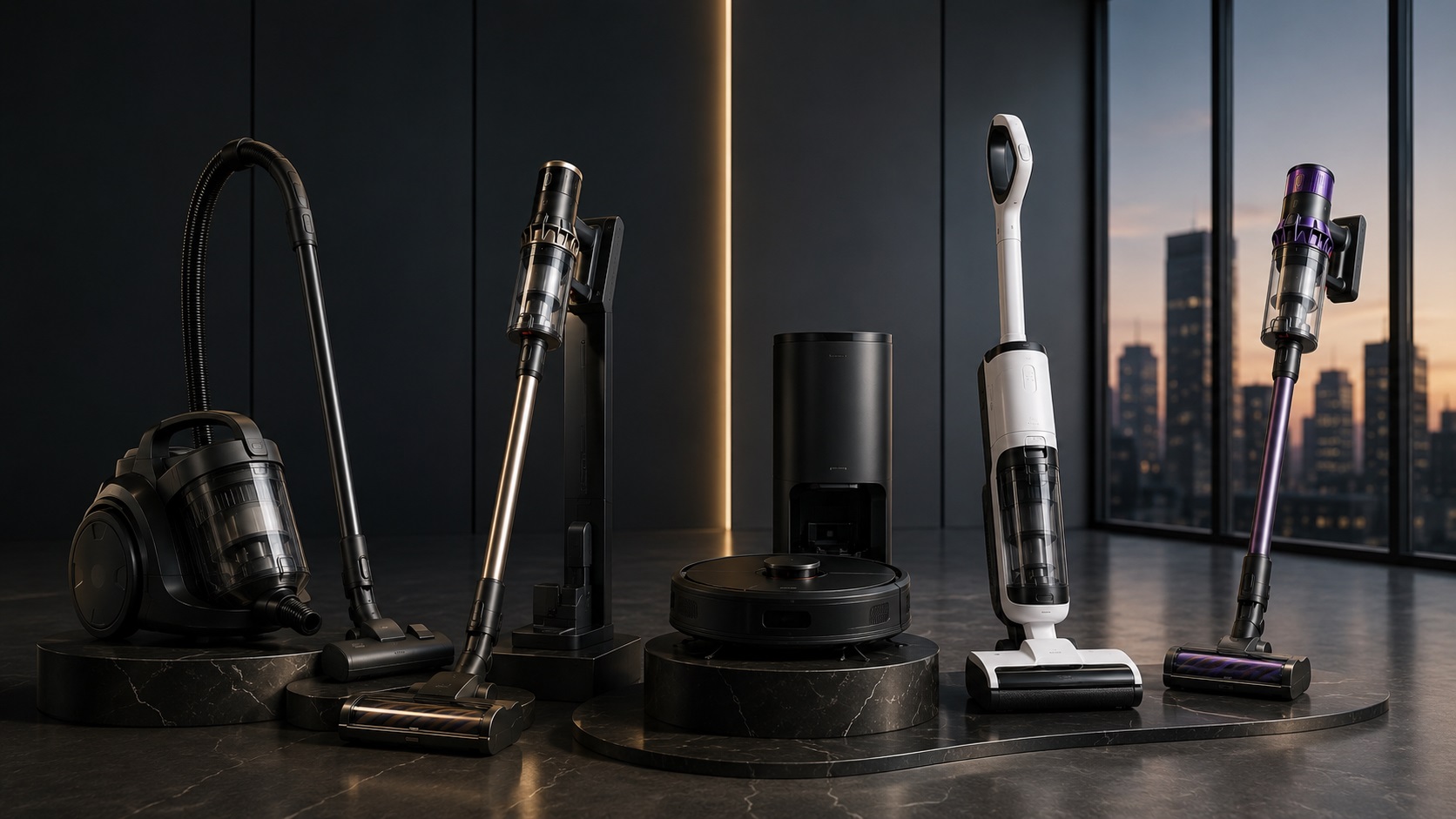
🚀 Introduction: The Rise of Private Label Brands in the Vacuum Cleaner Industry
Over the past decade, one of the most significant changes in the vacuum cleaner industry has not been the emergence of new technologies or manufacturing methods.
It has been the rise of private-label brands.
Many distributors, importers, and entrepreneurs who once relied entirely on established manufacturers are now building their own brands through partnerships with experienced OEM vacuum manufacturers.
Some of these brands have evolved from unknown market entrants into respected industry players within just a few years.
This vacuum cleaner brand case study explores how successful brands are built, what separates winners from failures, and the strategic decisions that drive long-term vacuum business growth.
Whether you are an importer, distributor, entrepreneur, or product manager, understanding these lessons can help you avoid costly mistakes and accelerate market success.
📈 Market Trend: Why More Businesses Are Launching Private Label Vacuum Brands
Historically, distributors focused on selling products manufactured by well-known global brands.
However, several market shifts have changed this approach.
Growing Price Competition
Large online retailers have made it increasingly difficult to compete using branded products alone.
Margin Pressure
Many distributors face shrinking margins when selling products controlled by third-party brands.
Brand Ownership Opportunities
Private-label products allow companies to build long-term customer relationships under their own brand names.
OEM Manufacturing Accessibility
Modern OEM vacuum manufacturers provide product customization, branding support, packaging design, and product development services that were previously available only to large corporations.
As a result, launching a vacuum cleaner brand has become more accessible than ever.
📊 Brand Case Study: From Distributor to Market Leader
Consider a regional cleaning equipment distributor operating in a highly competitive European market.
The company faced several challenges:
Intense price competition
Limited differentiation
Dependence on external brands
Shrinking profit margins
Management realized that competing solely as a reseller would limit future growth.
Instead, they partnered with an experienced OEM vacuum manufacturer to launch a private label vacuum brand.
Phase 1: Product Selection
Rather than introducing dozens of products, the company focused on a small number of high-demand categories:
Cordless vacuum cleaners
Commercial vacuum cleaners
Wet & dry vacuum systems
This simplified inventory management and marketing efforts.
Phase 2: Brand Positioning
Instead of competing as the cheapest option, the company positioned itself around:
Reliability
Professional performance
Long-term value
This strategy helped avoid direct price wars.
Phase 3: Customer Experience
The company invested heavily in:
Product training
After-sales support
Digital marketing
Distributor education
These efforts created stronger customer loyalty.
Result
Within several years:
Brand recognition improved significantly
Distributor relationships expanded
Customer retention increased
Profit margins improved
The most important lesson?
The company stopped selling products and started building a brand.
💰 Market Signal: Why Private Label Brands Often Outperform Resellers
Many distributors underestimate the financial advantages of brand ownership.
Traditional Distribution Model
Limited pricing control
Lower margins
Heavy competition
Private Label Model
Greater pricing flexibility
Stronger customer loyalty
Better long-term profitability
Higher business valuation
This explains why many successful brand success stories begin with private-label strategies rather than pure distribution models.
💡 Buyer Insight: Customers Rarely Buy Features Alone
Many new brands focus excessively on technical specifications.
However, customers typically purchase based on perceived value.
Professional buyers often ask:
Can I trust this brand?
Is support available?
Will replacement parts be accessible?
Does the company understand my needs?
The strongest brands combine product performance with customer confidence.
This is often a greater competitive advantage than technical innovation alone.
⚠ Common Mistake: Launching Too Many Products Too Early
One of the most common branding mistakes is attempting to build a complete product portfolio immediately.
New brands often introduce:
Too many models
Too many variations
Too many market segments
This creates:
Inventory complexity
Marketing confusion
Higher operating costs
Mini Case Study
A startup vacuum brand launched more than 20 products during its first year.
Marketing resources became fragmented, inventory costs increased, and sales performance suffered.
After narrowing its focus to a few core products, growth accelerated.
Successful brands usually start focused before expanding.
⚠ Common Mistake: Competing Only on Price
Low pricing may generate initial sales.
However, it rarely creates long-term brand value.
Brands built solely around low prices often face:
Margin pressure
Customer churn
Weak differentiation
Strong brands compete through:
Product quality
Service
Reliability
Customer experience
The most successful vacuum business growth strategies prioritize value creation over price reduction.
🎯 Expert Observation: Brand Value Is Created After the Sale
Many businesses assume branding happens before the purchase.
In reality, brand value is often created after the customer receives the product.
Customers remember:
Product reliability
Technical support
Warranty service
Delivery consistency
A brand that consistently delivers positive experiences gradually builds market authority.
This is why some smaller brands outperform larger competitors despite having fewer resources.
⚙ Five Strategic Lessons from Successful Vacuum Brands
🎯 Focus on a Clear Market Segment
Avoid trying to serve everyone.
Successful brands often specialize in:
Commercial cleaning
Hospitality
Industrial applications
Home convenience
Focus creates stronger positioning.
🎯 Partner with the Right OEM Manufacturer
Your manufacturing partner directly impacts:
Product quality
Delivery reliability
Innovation capability
Choosing the right OEM vacuum manufacturer is one of the most important branding decisions.
🎯 Invest in Customer Education
Product videos, guides, and training materials improve customer confidence.
🎯 Build Long-Term Distribution Relationships
Strong distributor networks accelerate growth and market penetration.
🎯 Continuously Improve Products
Successful brands evolve based on customer feedback rather than assumptions.
📋 Brand Development Checklist
Before launching a private-label vacuum brand, ask:
Product
Is the product differentiated?
Is quality consistent?
Manufacturing
Is the OEM partner reliable?
Can production scale?
Marketing
Is the value proposition clear?
Is the target audience defined?
Distribution
Are channel partners available?
Is support infrastructure ready?
Brands that prepare thoroughly often grow faster and more sustainably.
📊 Mini Case Study: How Customer Support Became a Competitive Advantage
A growing vacuum brand discovered that competitors focused heavily on product features but offered limited post-sale support.
The company responded by improving:
Warranty services
Technical support
Distributor training
Within a short period, customer satisfaction improved and repeat purchases increased.
This demonstrates how customer experience can become a powerful growth driver.
🌍 Why Brand Building Matters More Than Ever
The vacuum cleaner market continues to become more competitive.
Products can often be copied.
Prices can be matched.
Strong brands, however, are far more difficult to replicate.
This is why many importers and distributors are investing in private-label strategies rather than remaining dependent on third-party brands.
🔮 Expert Prediction: What Future Market Leaders Will Do Differently
Based on current market developments, successful vacuum brands are likely to focus on:
🏆 Private Label Expansion
Greater control over margins and positioning.
🏆 Smart Product Innovation
Differentiation through technology.
🏆 Sustainability
Growing importance among institutional buyers.
🏆 Customer Experience
Long-term loyalty creation.
🏆 Strong OEM Partnerships
Faster innovation and reliable production.
✅ Action Plan for Businesses Building a Vacuum Brand
1. Start with a Focused Product Portfolio
Avoid unnecessary complexity.
2. Select an Experienced OEM Partner
Manufacturing quality directly affects brand reputation.
3. Build a Clear Value Proposition
Tell customers why your brand exists.
4. Invest in Customer Support
Brand loyalty is built after the sale.
5. Think Long-Term
Sustainable brands are built through consistency rather than short-term promotions.
🎯 Conclusion
This vacuum brand case study demonstrates that successful brands are not built solely through product innovation or aggressive pricing.
They are built through strategic positioning, strong OEM partnerships, exceptional customer experiences, and disciplined execution.
For distributors, importers, and entrepreneurs seeking long-term vacuum business growth, private-label branding represents one of the most powerful opportunities available in today's market.
The companies that invest in brand building today may become the market leaders of tomorrow.
📌 Suitable Audience
Vacuum Cleaner Importers
Private Label Brand Owners
OEM Buyers
Vacuum Cleaner Distributors
Product Managers
Brand Development Teams
Cleaning Equipment Entrepreneurs
International Business Development Managers
📌 Hashtags
vacuum cleaner brand case study, vacuum brand case study, OEM vacuum manufacturer, private label vacuum, brand success story, vacuum business growth, private label vacuum cleaner, vacuum brand development, vacuum cleaner distributor, OEM manufacturing strategy, vacuum market expansion, cleaning equipment brand, distributor brand building, vacuum business strategy, private label product development, vacuum industry growth, brand positioning strategy, vacuum supplier partnership, commercial vacuum brand, vacuum market leadership, customer loyalty strategy, product differentiation, vacuum startup brand, vacuum distribution network, private label success, vacuum entrepreneur, OEM product sourcing, cleaning equipment marketing, vacuum product branding, vacuum market opportunity, B2B vacuum business, international brand expansion, vacuum product portfolio, customer experience strategy, vacuum business case study, vacuum company growth, channel partner strategy, vacuum manufacturing partnership, distributor growth strategy, brand building process, product launch strategy, vacuum industry insights, OEM supplier selection, vacuum sales growth, commercial cleaning market, brand authority building, customer retention strategy, cleaning equipment distribution, vacuum innovation strategy, Lanxstar