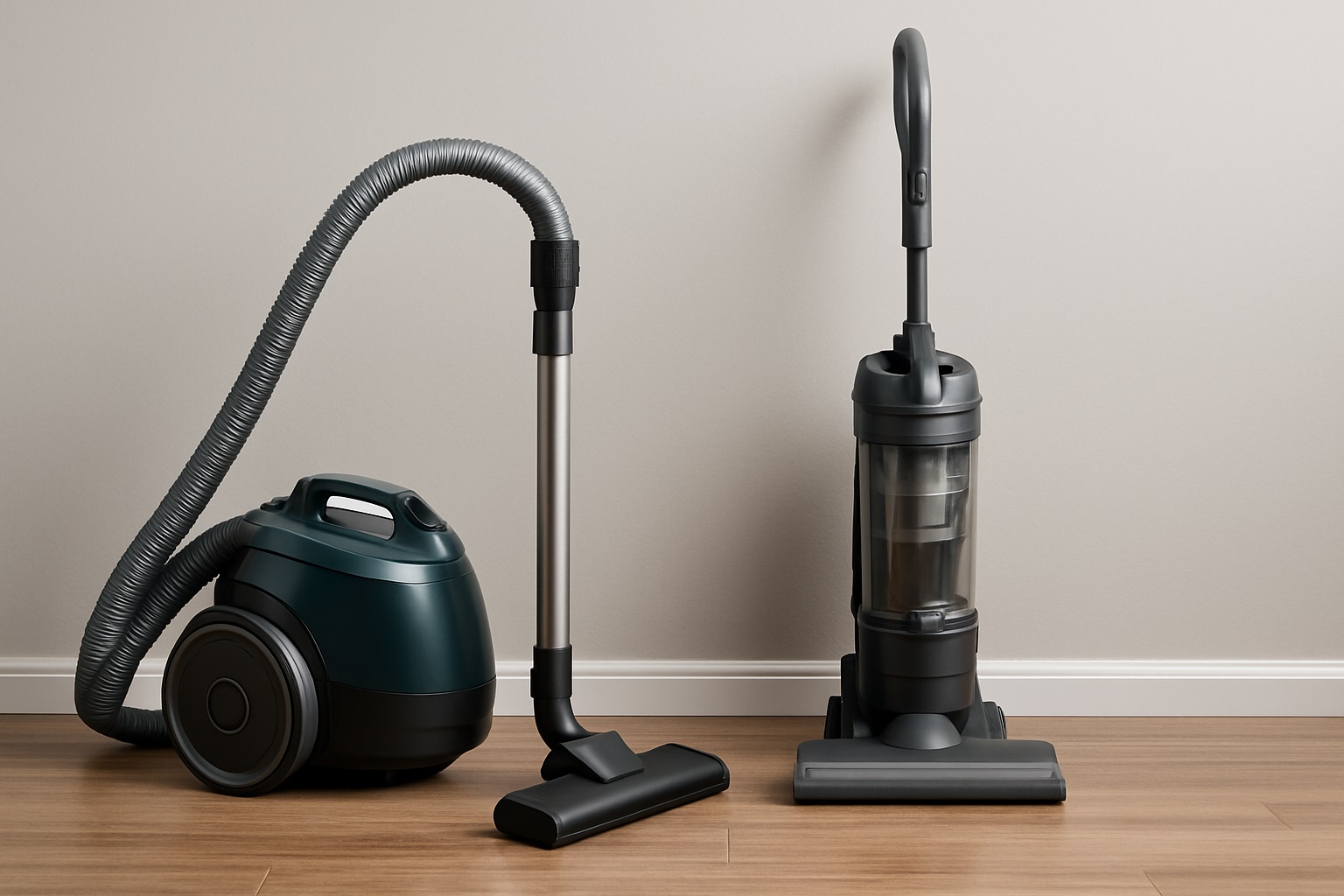
For distributors and wholesale sellers, profitability is shaped by long-term structure—not short-term sales volume. Choosing between barrel vacuum cleaners and upright vacuum cleaners directly impacts margins, cash flow stability, after-sales income, and customer lifetime value.
Below are the six most important profitability factors distributors should evaluate before deciding which vacuum type deserves priority in their product portfolio.
1. Product Lifespan and Replacement Cycle 🔧
One of the strongest drivers of distributor profitability is product lifespan.
Longer lifespan means:
From a profitability perspective, longer product life reduces risk and stabilizes revenue.
2. Gross Margin Stability 💰
Upright vacuum cleaners typically operate in consumer-driven markets where:
Price competition is intense
Online platforms compress margins
Frequent promotions erode profitability
Barrel vacuum cleaners are usually sold through:
B2B and commercial channels
Value-based pricing models
Contract or repeat purchasing frameworks
This leads to more stable and defendable gross margins for distributors.
3. After-Sales and Accessory Revenue 🔄
After-sales income significantly improves total profitability.
Upright vacuums:
Barrel vacuums:
Require filters, hoses, accessories, and maintenance
Create ongoing after-sales revenue streams
For distributors, higher customer lifetime value directly improves ROI.
4. Inventory Risk and Cash Flow 📦
Inventory efficiency is a hidden but critical profitability factor.
Upright vacuums:
Face rapid model turnover
Carry higher obsolescence risk
Are sensitive to seasonal demand
Barrel vacuums:
Maintain relevance for years
Have more predictable demand
Support long-term stocking strategies
Lower inventory risk improves cash flow and operational confidence.
5. Customer Type and Order Structure 🏢
Customer structure affects both sales efficiency and profitability.
Upright vacuums are mainly sold to:
Individual consumers
Retail-driven channels
Barrel vacuums are purchased by:
Cleaning companies
Facilities management firms
Hotels, offices, warehouses
These clients often place:
Bulk orders
Repeat purchases
Multi-location contracts
This dramatically lowers customer acquisition cost per unit sold.
6. Brand Positioning and Distributor Reputation 🌍
Product category influences how the market perceives the distributor.
Selling barrel vacuums positions distributors as:
This positioning:
Attracts higher-value clients
Reduces price-only negotiations
Supports sustainable business growth
Reputation itself becomes a profitability asset.
Profitability Comparison Summary
From a distributor’s profitability perspective:
Upright vacuums: faster turnover, thinner margins, higher volatility
Barrel vacuums: steadier margins, stronger after-sales value, lower risk
For distributors focused on long-term profitability, barrel vacuums consistently outperform.
Conclusion: Profitability Is Built on Structure, Not Speed
Choosing between barrel and upright vacuum cleaners is not just a product decision—it is a profitability strategy. While upright vacuums may deliver quick sales in consumer markets, barrel vacuums offer distributors stronger margins, recurring revenue, lower inventory risk, and more stable ROI.
For businesses engaged in vacuums procurement and vacuum cleaner distribution, prioritizing barrel vacuum cleaners creates a more resilient and scalable profit model.
For professional vacuum solutions and long-term cooperation opportunities, visit www.lxvacuum.com.
Target Readers (Placed Near the End)
Vacuum cleaner distributors and wholesalers
Commercial cleaning equipment importers
B2B procurement managers
OEM and private-label brand owners
Sales and product strategy teams
50 Related Keyword Groups
barrel vacuum cleaner, upright vacuum cleaner, vacuum profitability factors, B2B vacuum distribution, commercial vacuum ROI, vacuum cleaner distributor, vacuum cleaner wholesale, barrel vs upright vacuum, professional vacuum equipment, commercial cleaning equipment, vacuum cleaner margin analysis, vacuum cleaner after sales revenue, durable commercial vacuum, long lifespan vacuum cleaner, inventory risk vacuum distribution, vacuum cleaner cash flow management, B2B cleaning equipment strategy, vacuums procurement, vacuum cleaner distribution, Lanxstar vacuum cleaner, commercial vacuum supplier, industrial vacuum distributor, professional cleaning equipment wholesale, vacuum cleaner pricing strategy, high margin vacuum products, barrel vacuum distributor benefits, upright vacuum sales model, vacuum cleaner market profitability, B2B vacuum sales strategy, commercial vacuum lifecycle value, vacuum cleaner customer lifetime value, cleaning equipment distributor ROI, vacuum cleaner product line planning, commercial cleaning equipment margins, industrial vacuum sales strategy, vacuum cleaner inventory planning, vacuum cleaner distribution model, global vacuum distributor, professional vacuum solutions, commercial vacuum investment strategy, vacuum cleaner channel management, B2B cleaning equipment profitability, wholesale vacuum cleaner business, commercial vacuum market analysis











