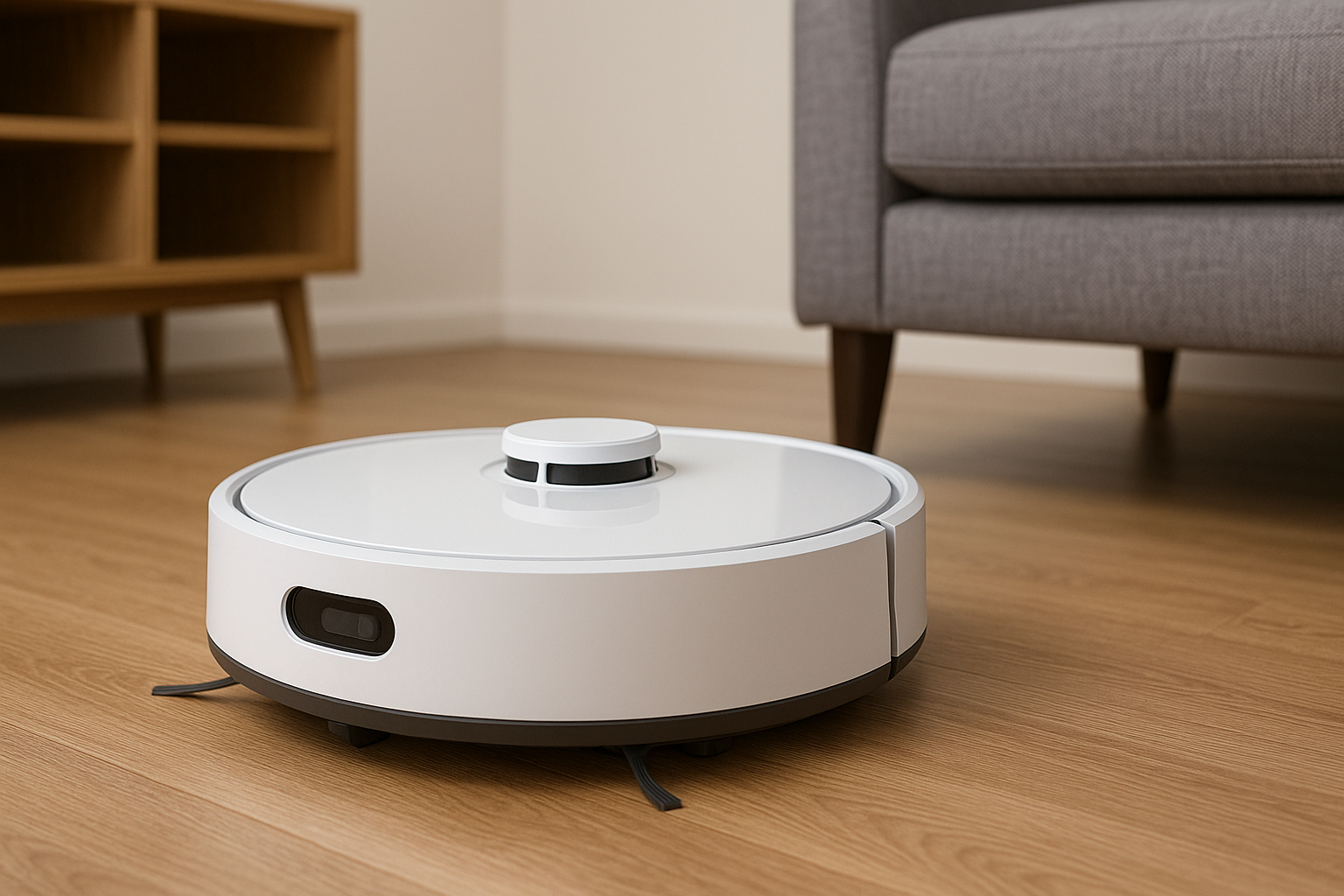
In an era defined by rapid technological convergence, vacuum cleaners are no longer just standalone tools—they are connected nodes in a broader smart home network. For R&D engineers working across the U.S., Europe, and the Middle East, this shift requires deep understanding of evolving protocols, user behavior, and cross-device synergy.
1. The Rise of API-Centric Architecture
Modern smart homes demand that devices speak to each other. The ability for a 4 in 1 Cordless Smart Wet & Dry Vacuum Cleaner to integrate with platforms like Alexa, Google Home, or Samsung SmartThings hinges on open API availability and adherence to standards like Matter or Zigbee. As explained in Build With Matter, these protocols define how data flows across platforms securely and efficiently.
2. Vacuum Cleaners as AI-Powered Agents
The shift from automation to true autonomy means vacuum cleaners must learn from context. For example, a High Suction Vacuum Cleaner embedded with edge-AI can recognize clutter zones, optimize power usage, or adapt to different flooring types. Nvidia's Jetson series is increasingly used in such embedded AI systems, making it easier for engineers to scale intelligence locally.
3. Interoperability Challenges Across Regions
Designing a Portable Self-Cleaning Vacuum Cleaner that performs consistently in Dubai, Berlin, and Dallas requires multi-frequency, multi-protocol chipsets. Developers must work with dual-band Wi-Fi modules, localize firmware, and comply with regional cybersecurity directives. Platforms like Z-Wave Alliance provide critical resources to guide these adaptations.
4. Edge Computing and Power Management
Energy efficiency isn’t just a green initiative—it’s a core design goal. For models like the Energy-Saving Efficient Powerful Vacuum Cleaner, engineers must balance compute loads between cloud and edge. Battery architecture, low-power SoCs, and smart idle states are becoming differentiators in both B2C and B2B markets.
5. Unified Control Interfaces
R&D engineers must ensure users can control a Cordless Vacuum Cleaner via app, voice, remote, or automation scripts. Usability across these channels influences adoption. Embedding native controls for HVAC sync or lighting correlation enhances appeal for both consumer and institutional use.
6. Localization for Cultural UX Differences
UI expectations vary drastically between regions. While North American users may prioritize app convenience, Middle Eastern commercial buyers may expect dashboard analytics. Integrating dashboards into the Large-Capacity Wet Dry Vacuum Cleaner or Multi-Functional Durable Vacuum Cleaner can offer competitive differentiation. For instance, pairing with a compact Cordless Handheld Vacuum Cleaner can address mobile cleaning needs in tight hospitality spaces.
7. Security, Updates & Long-Term Viability
Security remains a primary concern. Firmware update pipelines must be over-the-air (OTA) and encrypted. For devices like a Car Vacuum Cleaner or Quiet Vacuum Cleaner, exposure to public Wi-Fi environments raises the stakes. Engineering teams should leverage frameworks like IoT Security Foundation for best practices.
8. Integration-Ready Consumables
Even consumables like filters and bags are evolving. Smart tracking of consumables in a Fast Lightweight Vacuum Cleaner or Wet Dry Vacuum Cleaners can improve reorder rates and customer retention. NFC tagging, QR scanning, and app-based consumable alerts are now must-haves for high-end models.
www.lxvacuum.com
📌 Hashtags
vacuum cleaner, customer experience, commercial cleaning, quiet vacuum, clean facility impact, business hygiene, brand perception, commercial space maintenance, noise control, floor cleanliness, high suction vacuum cleaner, wet dry vacuum cleaner, air quality, vacuum performance, guest satisfaction, quiet workspace, shopping mall cleaning, carpet vacuuming, hotel cleaning vacuum, low decibel vacuum, cordless vacuum cleaner, office cleanliness, lobby vacuuming, visual cleanliness, floor shine impact, self-cleaning vacuum, portable vacuum cleaner, commercial retail cleaning, janitorial standards, workplace impression, scent and cleanliness, noise perception, dust control, restroom vacuum hygiene, elevator vacuum detail, fast lightweight vacuum cleaner, retail environment maintenance, healthcare waiting area vacuum, customer trust cleanliness, entryway vacuum protocol, vacuum cleaning schedules, aesthetic consistency cleaning, facility impression value, commercial design and hygiene, vacuum branding experience, smart vacuum cleaning systems, customer feedback cleanliness, vacuum design and user feel, vacuum consistency retail, spotless floor retail, high traffic area vacuum











