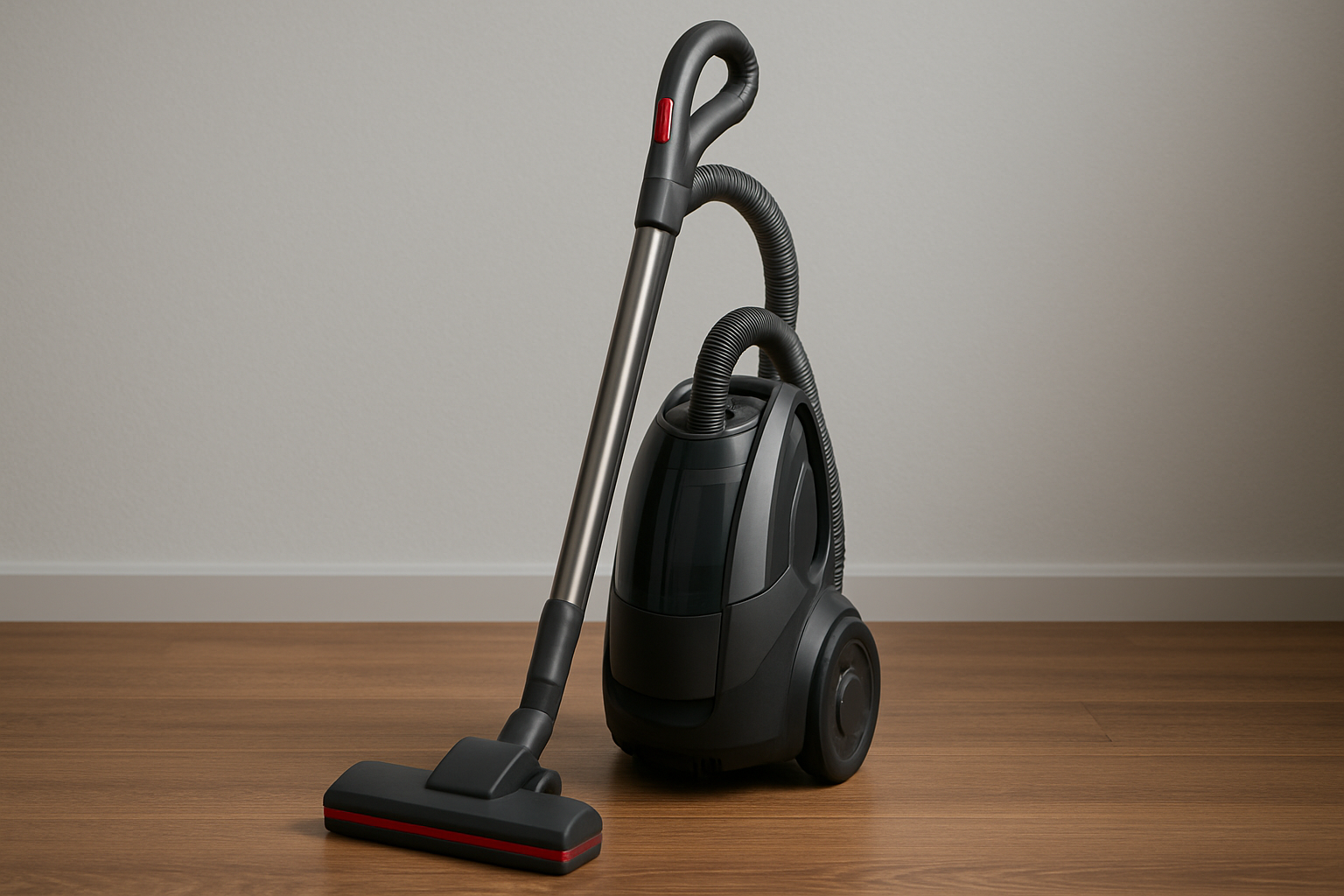
As the vacuum cleaner industry matures and saturates in many regions—including Europe, North America, and the Middle East—competitive differentiation increasingly hinges on service rather than just product features. For distributors and channel partners, a brand’s after-sales support strategy often decides whether a deal is renewed, expanded, or quietly phased out.
1. The Strategic Value of After‑Sales in B2B Contexts
B2B vacuum cleaner distribution isn’t a one-and-done sale. End clients—such as hotels, hospitals, schools, and cleaning contractors—require reliable uptime. A Multi-Functional Durable Vacuum Cleaner may attract the first order, but without spare parts support or troubleshooting expertise, customer confidence deteriorates. Reports by Service Nation show that over 60% of repeat B2B equipment purchases are influenced by after-sales performance, not price.
2. Spare Parts Logistics as a Retention Mechanism
Spare parts availability isn’t just an operational detail—it’s a core brand promise. For example, when promoting a Quiet Vacuum Cleaner for corporate environments, distributors must guarantee access to brush motors, filters, or housings within tight SLAs. Leveraging regional depots, or APIs with 3PL partners, can transform maintenance from a liability to a loyalty builder.
3. Smart Diagnostics for Predictive Maintenance
Brands that integrate sensors into vacuum cleaner models like the 4 in 1 Cordless Smart Wet & Dry Vacuum Cleaner can help distributors offer predictive maintenance. Notifications for filter clogs, battery performance, or motor stress empower resellers to act proactively. As explained in IoT For All, this reduces downtime, lowers returns, and enhances customer trust.
4. Technical Training & Certification Programs
Distributor technicians must be certified to handle complex SKUs like the Energy-Saving Efficient Powerful Vacuum Cleaner. Brands offering free online courses, service documentation, and modular component blueprints create downstream stability. Consider how Apple supports its independent repair networks—the same applies to the vacuum industry.
5. Online Portals & Instant Support
Distributors managing high volumes of products such as the Large-Capacity Wet Dry Vacuum Cleaner need tech support that’s fast and multilingual. AI-based chatbots, live-agent portals, and searchable knowledge bases can reduce support friction dramatically. Customer service is no longer a backend function—it’s a brand differentiator.
6. Warranty Transparency & Cost Clarity
Confusing or restrictive warranty policies erode trust. Instead, clear warranty logic—even on SKUs like Cordless Vacuum Cleaner or High Suction Vacuum Cleaner—gives distributors predictability. Provide downloadable PDFs, claims automation, and escalation paths. Transparency reduces channel conflict and accelerates product rotation.
7. Managing Consumables & Lifecycle Attachments
Distributors thrive when repeat revenue from filters, hoses, and accessories is easy to manage. Offering bundled kits with the Portable Self-Cleaning Vacuum Cleaner or a Fast Lightweight Vacuum Cleaner supports operational efficiency. According to insights from McKinsey, aftermarket excellence can represent up to 50% of profit in durable goods sectors.
8. Multi-Market After-Sales Standardization
In regions like the Middle East, after-sales reliability is a deciding factor when entering tender processes. Vacuum cleaners like the Car Vacuum Cleaner or Wet Dry Vacuum Cleaners used in fleet and facility maintenance must follow region-specific servicing expectations. Unified policy documentation and centralized CRM systems ensure compliance.
www.lxvacuum.com
📌 Hashtags
sustainable cleaning, vacuum cleaner, carbon reduction, green procurement, B2B cleaning, energy-efficient vacuum, cleaning emissions, eco cleaning tools, commercial vacuum sustainability, cordless vacuum cleaner, lifecycle analysis, waste reduction, sustainable janitorial solutions, vacuum carbon footprint, efficient motor vacuum, low energy vacuum, quiet vacuum cleaner, building maintenance sustainability, green building standards, ESG cleaning metrics, eco-friendly vacuum purchase, vacuum energy rating, green supply chain, commercial floor care, high suction vacuum cleaner, wet dry vacuum cleaner, LEED certification, indoor air quality, VOC vacuum filters, smart eco vacuum, product sustainability, vacuum recyclability, green cleaning innovation, energy saving vacuum, sustainable design vacuum, vacuum eco audit, long life vacuum cleaner, industrial sustainability, HEPA filters vacuum, noise pollution reduction, green technology cleaning, vacuum use efficiency, cleaning sustainability audit, sustainable cleaning ROI, quiet workspaces, self-cleaning vacuum, facility green upgrade, CSR procurement cleaning, environmental compliance, vacuum battery optimization, green tech vacuum, commercial cleaner lifecycle











