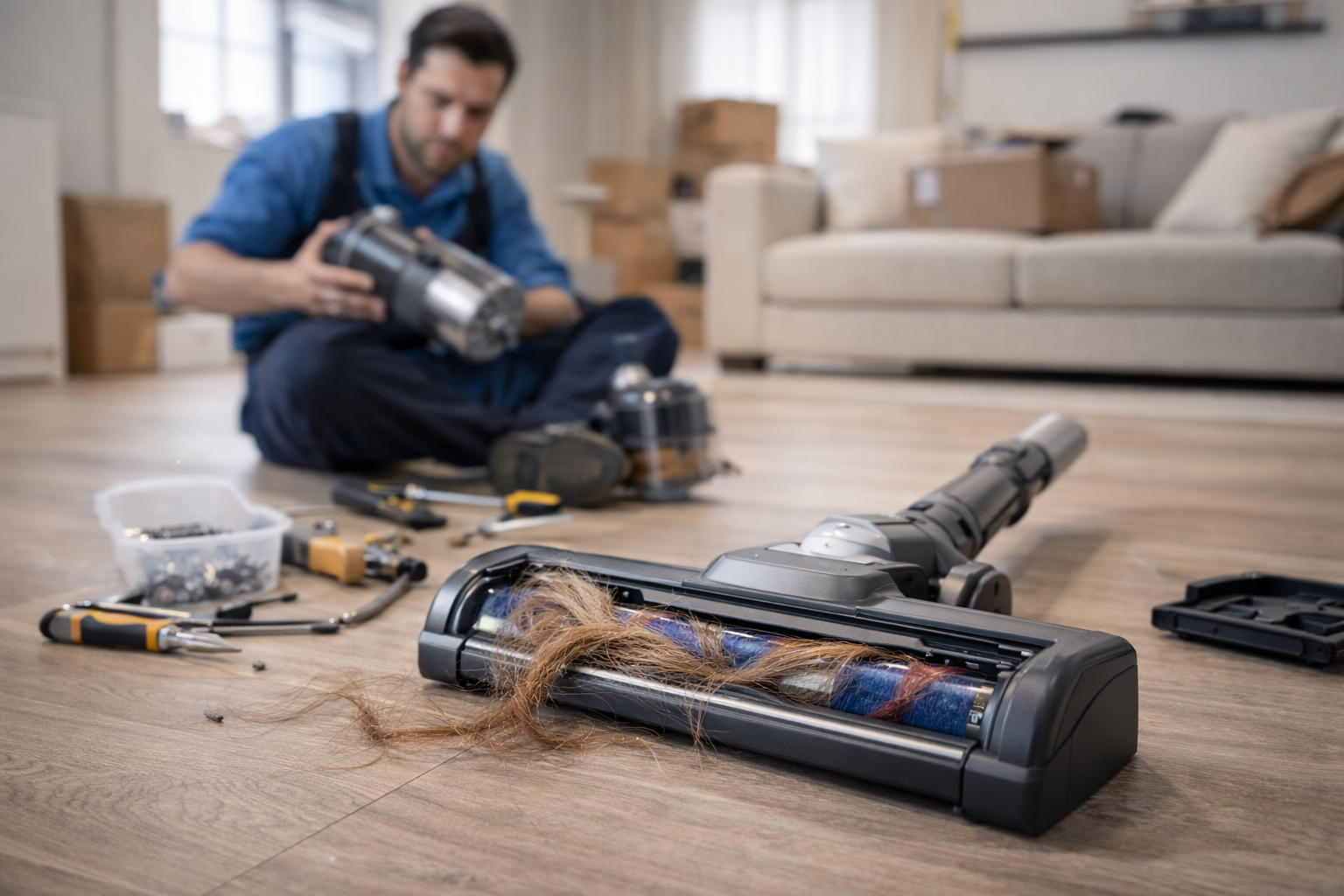
💸 The Cost That Doesn’t Appear in Any Quotation
Year one looks successful.
Orders are steady.
Feedback is “mostly positive.”
Distributors are cooperative.
Then year two arrives—and margins quietly collapse.
This article is written for European & Middle Eastern vacuum cleaner buyers, distributors, engineers, and serious users who want to understand the after-sales cost trap that destroys otherwise successful vacuum programs.
It has nothing to do with defects.
Everything to do with systems, behavior, and distribution reality.
🧠 After-Sales Is Not a Department — It’s a Multiplier
Most suppliers treat after-sales as a support function.
In reality, after-sales acts as a multiplier:
For Upright Vacuum Cleaners and Household Vacuum Cleaners, this multiplier determines whether a product survives past its second year.
📉 Why Year Two Is the Breaking Point
In year one:
In year two:
Usage patterns stabilize
Weak points concentrate
Complaint types repeat
This is when distributors begin calculating real cost, not projected cost.
🔇 Noise Complaints Are the First Domino
The most common early signal of after-sales trouble is noise.
Not catastrophic noise.
Not regulatory noise.
But daily irritation noise.
This is why Quiet Vacuum Cleaner complaints:
Noise rarely breaks machines.
It breaks relationships.
🪶 Convenience Complaints Outnumber Technical Failures
Contrary to popular belief, most after-sales tickets are not technical.
They are about:
Weight fatigue
Storage inconvenience
Handling frustration
This is especially visible in:
When convenience issues stack up, users stop forgiving small flaws.
🌙 Usage Time Matters More Than Marketing Assumptions
Many complaints start with one phrase:
“I can’t use it when I need to.”
This is why Quiet Vacuum for Night Use has become a silent decision factor.
Products optimized only for daytime demos fail real households that clean:
Miss this, and after-sales costs explode.
📦 The Distribution Chain Feels It First
Before brands notice problems, vacuum cleaner distribution partners already do.
They see:
Rising inquiry volume
Longer support calls
Slower reorder decisions
Distributors don’t announce dissatisfaction.
They adjust behavior.
Smaller orders are the warning sign most brands miss.
🧪 Why Engineering Tests Don’t Catch This
Lab testing answers:
After-sales reality asks:
Engineering teams often under-test:
Repetitive annoyance factors
Long-term convenience fatigue
Emotional dissatisfaction triggers
None of these appear in performance charts.
💰 The Hidden Math of After-Sales
A simplified reality:
One support ticket costs more than one spare part
One return costs more than five repairs
One distributor complaint costs more than ten consumer complaints
After-sales cost is non-linear.
This is why some “successful” products become unprofitable without obvious failure.
🧠 The Buyer’s Blind Spot
Procurement teams often focus on:
BOM cost
Initial quality
Certification
But ignore:
This blind spot explains why many Household Vacuum Cleaners collapse after initial success.
🛠️ What Surviving Brands Do Differently
Brands that survive year two redesign systems, not parts.
They:
They treat after-sales as product design feedback, not customer service noise.
🧩 A Practical After-Sales Risk Checklist
Before committing to volume, ask:
What complaint type will repeat most often?
Can this be used quietly at night?
Does handling fatigue appear after 20 minutes?
How many steps does basic maintenance require?
Will distributors feel this pain before we do?
If you can’t answer clearly, risk already exists.
🏁 Final Insight: Profit Is Lost After the Sale
Vacuum cleaners don’t fail at checkout.
They fail:
Year two is where truth replaces optimism.
#Hashtags
#lanxstar #uprightvacuumcleaners #householdvacuumcleaners #quietvacuumcleaner #quietvacuumfornightuse #cordlessvacuumcleaner #handheldvacuumcleaner #vacuumcleanerdistribution #afterSalesCost #b2bappliances #appliancebuyers #vacuumindustry #homecleaning #consumercomplaints #applianceengineering #vacuumdesign #homeappliances #cleaningtechnology #applianceprocurement #vacuumperformance #longtermcost #distributionrisk #appliancequality #customerexperience #vacuumtrends #householdcleaning #supportcosts #productstrategy #marketinsights #homecareindustry #vacuumusage #serviceeconomics #appliancebusiness











