Hi, message us with any questions.
We're happy to help!





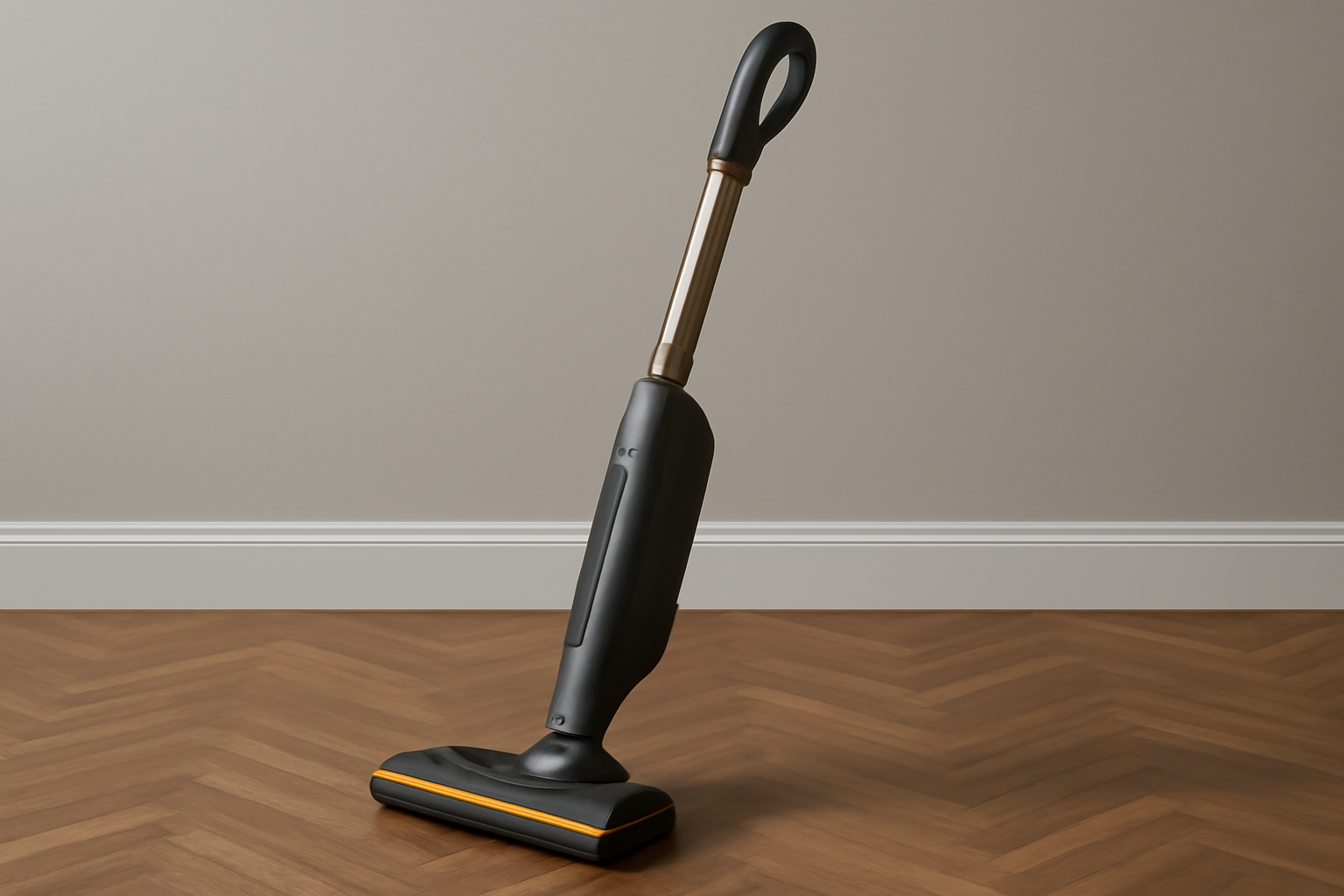
Target Audience: Vacuum Cleaner Procurement Buyers, Engineers, Distributors, and End Users in Europe, the Middle East, and North America.
Focus: Addressing the challenge of designing vacuum cleaners that are both efficient and stylish.
🧠 1. The Balancing Act: Efficiency vs. Design in Vacuum Cleaner Development
The engineering challenge of developing vacuum cleaners that combine powerful efficiency with sleek, modern design is a difficult one. This dilemma affects both manufacturers and consumers, as a vacuum cleaner’s performance is often closely linked to its size, motor power, and airflow systems. However, these same features can create bulky, unattractive designs that many consumers find unsightly. In today’s market, where aesthetics are as important as performance, how can engineers create vacuum cleaners that look as good as they work?
Upright vacuum cleaners, for example, are often large and unwieldy, with motors and filters that contribute to their size. While these designs provide powerful suction, they can also lead to a lack of portability and storage convenience. The growing trend toward Portable Self-Cleaning Vacuum Cleaners and compact models challenges engineers to make vacuums that are as efficient as traditional, larger machines but in a smaller, more streamlined form.
Another challenge lies in the materials used. Traditionally, vacuums were made with heavy-duty plastics or metal parts that added weight and bulk. However, to improve both design and efficiency, lightweight, durable materials like carbon fiber and aluminum are becoming popular. These materials reduce weight without sacrificing strength or durability, enabling engineers to design vacuums that are both functional and aesthetically pleasing.
Furthermore, consumer demand for versatility in vacuum cleaners has also risen. Multi-Functional Durable Vacuum Cleaners that can seamlessly transition between various cleaning modes, such as wet and dry cleaning, are now a must-have in many households. While these machines are undoubtedly practical, engineers must find ways to integrate these functions without compromising their overall design.
🛠️ 2. Technological Advancements: Creating a Powerful Yet Beautiful Vacuum
Technological advancements have become the key to overcoming the dilemma of blending efficiency and style in vacuum cleaner design. As Household Vacuum Cleaners become a more integral part of everyday life, consumers are expecting more from their cleaning tools, both in terms of performance and aesthetics.
For example, the introduction of Portable Self-Cleaning Vacuum Cleaners has revolutionized the industry. These vacuums not only provide powerful suction but also feature self-cleaning mechanisms, making them easier to maintain. Engineers have managed to reduce the size of the dustbin and filter system while maintaining their suction capacity. The self-cleaning feature is a game-changer, offering convenience without compromising the machine’s compact size and design. These features help meet consumer demands for products that are both high-performing and easy to maintain.
Another breakthrough in technology that impacts design is noise reduction. Historically, powerful vacuum cleaners came with a trade-off in terms of noise. However, the latest advancements in motor and airflow design have significantly reduced noise levels. Quiet yet powerful vacuums are now becoming the norm, allowing engineers to design more compact models that don't compromise on performance or disrupt the household environment. Consumers increasingly expect machines that can clean effectively without causing disruption, especially in homes with young children or pets.
HEPA filter vacuum cleaners are also gaining popularity, especially among consumers with allergies. These filters trap fine particles, allergens, and dust, making it easier to maintain a clean and healthy home. The challenge for engineers is designing a HEPA filter that is both highly effective at trapping particles and compact enough to fit within the smaller, more streamlined designs that consumers want. Advances in filter technology have allowed for more efficient filtration systems that are both compact and effective, making HEPA Filter Vacuum Cleaners an essential feature for many users today.
🏠 3. Market Trends and Consumer Expectations: Meeting Demand for Versatility and Design
As the vacuum cleaner market continues to grow, particularly in Europe, the Middle East, and North America, manufacturers are faced with increasingly specific consumer demands. Today’s vacuum cleaners need to meet several criteria, including efficiency, versatility, and stylish design. Consumers are now looking for vacuums that can handle all their cleaning needs without sacrificing performance or aesthetics.
Upright vacuum cleaners have long been the go-to choice for larger homes with extensive carpeted areas. These models are designed to tackle high-traffic zones with strong suction power and large dust canisters. However, as the world moves toward smaller, urban living spaces, Apartment Vacuum Cleaners are becoming more common. In compact apartments, consumers need machines that deliver high performance but are easy to store and move around. Manufacturers must find ways to integrate portability with powerful suction capabilities, without sacrificing design or convenience.
Another area of increasing demand is for vacuums that can clean more than just floors. Wet and Dry Vacuum Cleaners have emerged as a solution to the growing need for versatility. These vacuums can clean both dry debris and liquid spills, making them ideal for households with children or pets. However, creating a vacuum that can handle both types of messes without becoming bulky or difficult to use is a challenge. Engineers have responded by integrating multiple modes into one machine, offering an all-in-one solution for everyday cleaning.
The rise of pet ownership has also driven the demand for specialized vacuums. Vacuum Cleaners for Pet Hair are increasingly popular, as they are designed with specific tools to handle pet dander and hair. Pet owners demand powerful suction, but they also expect the vacuum to be easy to use and maintain. Engineers have met these needs by developing vacuums with specialized brushes and extra filtration systems to remove pet hair from carpets, upholstery, and even hard floors. The challenge here is to design these vacuums in a way that balances efficiency with the sleek, modern design that consumers now expect.
🔮 4. The Future of Vacuum Cleaner Design: Merging Technology with Aesthetics
Looking ahead, the vacuum cleaner design landscape is set to evolve even further, with advancements in both technology and aesthetics. As consumers become more environmentally conscious, manufacturers are focusing on creating more sustainable and energy-efficient models. Engineers will continue to innovate by designing products that are not only powerful but also eco-friendly.
The future will see even more compact models, as consumers demand vacuums that can provide deep cleaning power in a smaller, more manageable form. Modular designs, which allow users to customize their vacuums based on their specific needs, will likely become more common. For example, a user might choose different attachments for different cleaning tasks or select a vacuum with an interchangeable motor for enhanced suction power.
Moreover, as homes become smarter, vacuums will continue to integrate seamlessly into smart home ecosystems. The rise of smart vacuums that can be controlled via mobile apps, voice commands, or home automation systems is just the beginning. Future vacuums will likely offer more advanced features, such as automatic scheduling, mapping of cleaning routes, and remote control, all while maintaining their sleek, modern designs.
The push for innovation will also lead to further advancements in noise reduction, portability, and ease of maintenance. The new generation of vacuums will not only clean more effectively but will also enhance the user experience through quieter operation, simpler maintenance routines, and longer-lasting parts.
Conclusion
Designing a vacuum cleaner that balances performance and aesthetics is a formidable challenge, but it is one that engineers continue to solve with creativity and innovation. From the evolution of Upright Vacuum Cleaners to the rise of Portable Self-Cleaning Vacuum Cleaners, engineers are continually pushing the boundaries of what’s possible. By leveraging advancements in materials, noise reduction technologies, and multi-functional capabilities, they are able to meet the increasing demands for both high performance and sleek design.
As the market for vacuum cleaners continues to expand, manufacturers will need to keep refining their products to meet the evolving expectations of consumers. The future of vacuum cleaner design will involve even more innovation and integration with smart home technologies, creating products that are not only powerful and versatile but also stylish, efficient, and environmentally friendly. Engineers who can navigate the challenges of this dilemma will continue to lead the way in shaping the next generation of cleaning products.
Hashtags
#vacuums #vacuumcleaners #vacuumdesign #vacuumcleaning #hepa #householdvacuumcleaners #portablevacuumcleaner #wetanddryvacuumcleaner #multifunctionalvacuum #petvacuum #vacuumsystem #smartvacuum #highsuctionvacuum #vacuumtechnology #vacuuminnovation #vacuumaccessories #vacuumcleanerbrands #vacuumprocurement #vacuumdistribution #vacuumsforpethair #apartmentvacuumcleaner #vacuumfuture #vacuumdevelopment #vacuumresearch #vacuumengineering #hepaairfilters #compactvacuum #efficientvacuumcleaner #vacuummachines #vacuumperformance #vacuumcleaningtechnology #homeappliance #smartvacuumcleaner #vacuumsolutions #vacuumcreations #modernvacuum #vacuumengineering #cleaningrobots #vacuumimprovements #vacuuminnovations #vacuumquality #vacuums #vacuummanufacturing #cleaningtools #vacuummaintenance #vacuumfuturistics #vacuumcleaningproducts #lanxstar



