Hi, message us with any questions.
We're happy to help!





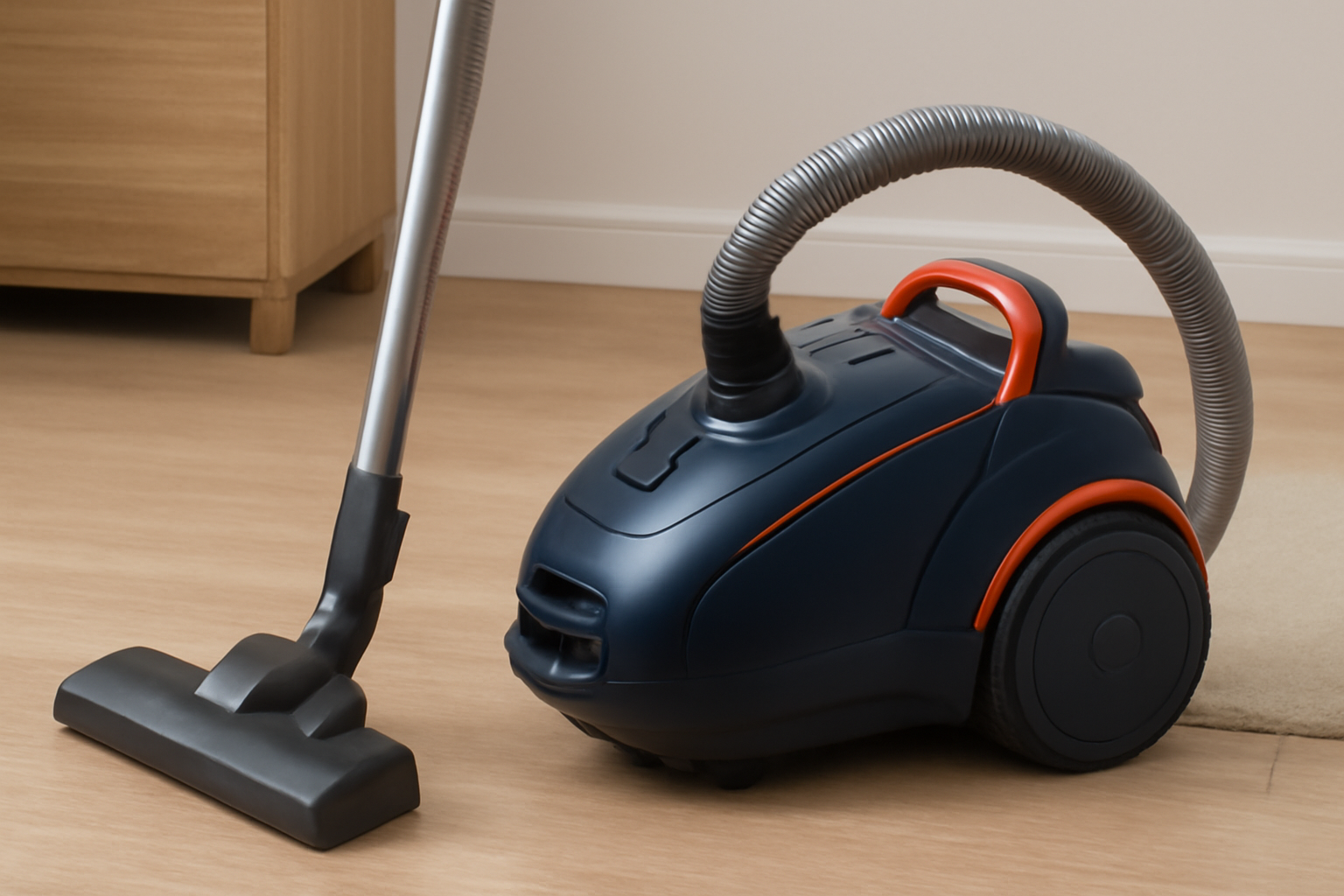
As we approach 2025, the global cleaning market is seeing rapid transformation, and vacuum cleaners are at the heart of this revolution. Driven by technological innovations, shifting consumer demands, and growing environmental awareness, the vacuum cleaner market is booming in ways that were previously unimaginable. This surge isn't just about increasing sales; it's about reshaping how we clean our homes and workplaces. In this article, we will explore how the vacuum cleaner boom is transforming the global cleaning industry, identify the key trends driving growth, and highlight the opportunities for businesses in this expanding market.
🧠 1. Technological Innovations Fueling the Vacuum Cleaner Boom
The vacuum cleaner market is no longer just about basic cleaning appliances. It’s a fast-evolving field powered by cutting-edge technology that’s transforming the way people approach household cleaning. As consumers demand more efficient, convenient, and versatile cleaning solutions, manufacturers have responded with innovations that make vacuum cleaners smarter, quieter, and more powerful.
Upright vacuum cleaners, for instance, have evolved significantly. Once bulky and noisy, today’s high suction vacuum cleaners are designed to be lightweight, more powerful, and, most importantly, quieter. This is especially important for consumers who are looking for a high-performance vacuum but don’t want to deal with the loud noise that often comes with traditional models. Modern upright vacuums are engineered to handle everything from pet hair to deep-seated dust, and they can be used on a variety of flooring types, including carpets, hardwood floors, and tile.
In addition to improved suction power and quieter operations, vacuum cleaners are becoming more energy-efficient. Manufacturers are incorporating energy-saving motors and features that reduce power consumption without compromising on performance. For instance, the HEPA filter vacuum cleaner is now one of the most popular choices among consumers. These vacuums are equipped with high-efficiency particulate air (HEPA) filters, which trap small particles such as dust mites, pollen, and pet dander, making them ideal for allergy sufferers.
As smart homes become more widespread, vacuum cleaners are also becoming part of the interconnected ecosystem of the modern household. Robotic vacuum cleaners, once considered a luxury, are now a common sight in homes around the world. These devices can be programmed to clean automatically and can even be controlled remotely via smartphones. Consumers are increasingly looking for quiet vacuum cleaners that can clean effectively without disturbing the peace of their homes. This demand for automation, connectivity, and convenience is pushing the market toward more intelligent, hands-off cleaning solutions.
🏠 2. Consumer Preferences Shifting Toward Convenience and Smart Homes
Over the past decade, consumer behavior has shifted dramatically toward greater convenience. As more people integrate technology into their daily lives, the demand for smart home devices has skyrocketed. Vacuum cleaners are no exception to this trend. Today’s consumers expect their appliances to be more than just functional—they want them to fit seamlessly into their smart home systems.
Household vacuum cleaners are now expected to deliver more than just cleaning performance. They should be easy to use, maintain, and integrate with other smart devices. This demand has led to the rise of robot vacuum cleaners, which can be programmed to clean on a set schedule or operated remotely via smartphone apps. These robot vacuums are equipped with sophisticated navigation systems and sensors that allow them to clean efficiently and avoid obstacles.
A key driver behind this shift is the growing interest in cleaning products that cater to specific needs. For example, vacuum cleaners for pet hair have become an essential product for pet owners. These specialized vacuums are designed with powerful suction and unique brush systems to remove pet hair from carpets, furniture, and hard-to-reach areas. Consumers are also looking for vacuums that can handle multiple types of messes, which has contributed to the rise of wet and dry vacuum cleaners. These versatile machines can clean up liquid spills as well as dry debris, making them ideal for homes with children, pets, or frequent messes.
In addition to smarter, more specialized products, consumers are becoming more aware of the environmental impact of their purchasing decisions. This has led to the demand for eco-friendly vacuum cleaners that not only perform well but also reduce environmental harm. Wet and dry vacuum cleaners, for example, are increasingly being designed with sustainability in mind, using materials that are both durable and recyclable.
🌍 3. The Global Demand for Vacuum Cleaners: Regional Variations and Market Opportunities
While the global vacuum cleaner market is growing rapidly, regional differences play a significant role in shaping the types of products in demand. In North America and Europe, larger homes and a preference for carpeted flooring have driven the popularity of upright vacuum cleaners. These vacuums are especially suited to cleaning large, carpeted areas and offer the high suction power needed for deep cleaning.
In contrast, the vacuum cleaner market in Asia, particularly in countries like Japan and China, is shaped by different factors. Smaller living spaces in urban areas and a growing middle class are driving the demand for more compact, yet highly efficient, apartment vacuum cleaners. Consumers in these regions are looking for vacuums that offer powerful suction but are easy to store in smaller living spaces.
In emerging markets, the vacuum cleaner is quickly becoming an essential household appliance. As disposable incomes rise, consumers are investing in high-performance models, such as high suction vacuum cleaners that offer both efficiency and value. The growing popularity of online shopping is also making it easier for consumers in these regions to purchase these products, which has expanded the market for vacuum cleaners in both urban and rural areas.
💼 4. The Business Opportunity: Vacuum Cleaner Procurement and Distribution
The boom in vacuum cleaner sales presents significant opportunities for B2B players in the industry. Entrepreneurs and businesses can capitalize on the growing demand by focusing on vacuum cleaner procurement and distribution. Whether you are a retailer, distributor, or manufacturer, there are several ways to tap into this expanding market.
For instance, offering specialized products like vacuum cleaners for pet hair or HEPA filter vacuum cleaners can help businesses differentiate themselves from competitors. As consumers become more aware of their health and environmental impact, offering eco-friendly, energy-efficient, and allergen-reducing vacuums can provide a competitive edge.
The rise in online shopping has also made it easier for businesses to reach consumers in various regions. E-commerce platforms provide an efficient way to distribute products to a broader audience, while data analytics can help businesses understand consumer preferences and target their marketing efforts more effectively.
In addition to product selection, businesses can also consider offering value-added services such as warranty programs, cleaning tool kits, and personalized customer support to enhance customer satisfaction and brand loyalty.
🔮 5. 2025 and Beyond: Future Trends and Opportunities
Looking ahead to 2025, the vacuum cleaner market is expected to continue evolving with the advancement of technology and changing consumer needs. The future of vacuum cleaners is likely to be defined by several key trends:
Automation and AI Integration: With the increasing integration of artificial intelligence (AI) into household devices, vacuum cleaners will become more intelligent, capable of learning and adapting to different home environments.
Health-Conscious Products: As consumers become more health-conscious, the demand for vacuums with HEPA filters, which trap allergens and pollutants, will continue to rise. Products designed specifically to reduce pet dander and dust will be in high demand.
Sustainability: Consumers will continue to push for more sustainable products. Companies that prioritize eco-friendly materials, energy efficiency, and recyclability in their designs will have a competitive advantage.
🔑 Conclusion
The vacuum cleaner market is undergoing significant changes as consumers demand more efficient, smarter, and environmentally friendly products. Technological innovations are driving the growth of high-suction, quiet, and smart vacuum cleaners, while the rise of e-commerce and regional variations provide ample opportunities for businesses to enter the market. Entrepreneurs and B2B buyers who understand these trends and act swiftly will be well-positioned to thrive in this booming industry.
Hashtags
#vacuums #vacuumcleaners #vacuumcleaners #cleaning #homeappliances #smartvacuum #highsuctionvacuumcleaner #quietvacuumcleaner #householdvacuumcleaner #vacuumcleanersforpethair #petcare #cleaningtechnology #wetanddryvacuumcleaner #hepa #hepaairfilters #vacuumcleanerdistribution #vacuumprocurement #robotvacuumcleaner #apartmentvacuumcleaner #sustainablevacuumcleaners #smartcleaning #vacuum #vacuumsolutions #cleaningbusiness #floorcare #eco-friendlyvacuumcleaner #highperformancevacuumcleaner #appliances #homecare #vacuumcleaning #floorcleaning #cleanhouse #vacuummarket2025 #vacuuminnovations #vacuumtrends #vacuumcleanerbrands #lanxstar #vacuumsolutions #futureofcleaning #smartvacuum #petvacuum #vacuumtech #advancedvacuumcleaners #vacuumsystem #cleaningtools #vacuumcleanersolutions #sustainablecleaning #vacuumaccessories #vacuumfilter #floorcareproducts #vacuumcleaningrobot #cleaningmachines #homeautomation #cleanhome #vacuumpurchasing #cleaningdevices #nextgenvacuumcleaner



