Hi, message us with any questions.
We're happy to help!





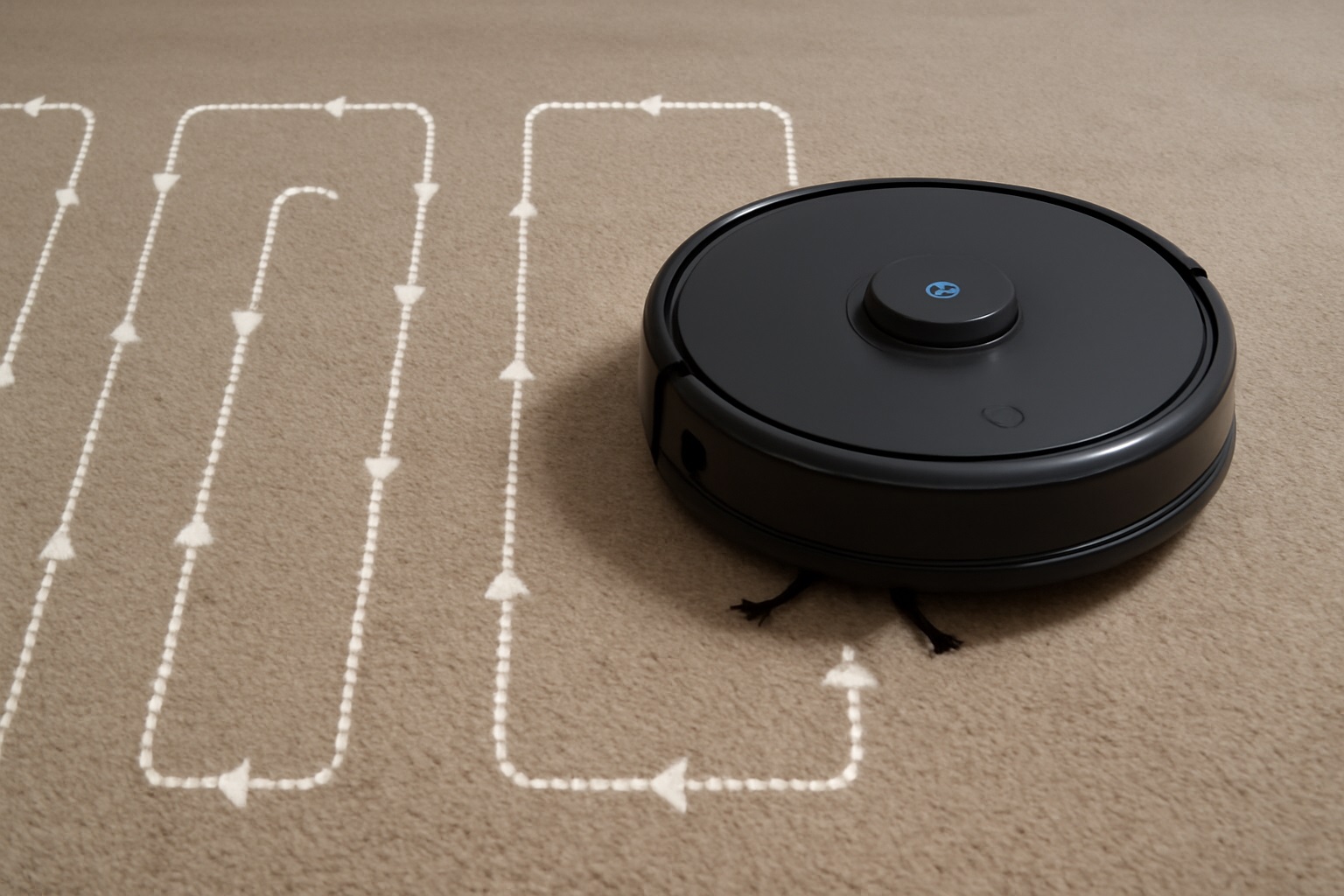
Vacuum cleaners have come a long way from their traditional, manually operated versions. Today’s smart vacuum models offer a variety of features that can optimize vacuum pathways, making cleaning more efficient and thorough. Whether you use an Upright vacuum cleaner, a 4 in 1 cordless smart wet & dry vacuum cleaner, or a high suction vacuum cleaner, integrating smart technology can streamline the cleaning process. In this article, we’ll explore how smart features help optimize vacuum pathways and improve cleaning performance, ensuring a cleaner home with less effort.
The Rise of Smart Vacuum Cleaners
The introduction of smart vacuum cleaners has revolutionized how we clean. These vacuums are equipped with advanced technology, including sensors, mapping systems, and artificial intelligence (AI), allowing them to optimize cleaning pathways without the need for constant human input. Features like smart navigation, obstacle detection, and auto-adjustment of settings are game-changers, particularly for those using vacuums like 4 in 1 cordless smart wet & dry vacuum cleaners, which can handle a variety of cleaning tasks across different surfaces.
These features are especially useful for households with multiple rooms, high-traffic areas, or homes with pets. But how exactly do these smart features help optimize the vacuuming process? Let’s take a closer look.
Smart Navigation and Mapping
One of the most significant advancements in smart vacuum technology is the ability to create a cleaning map of your home. Modern smart vacuum cleaners are equipped with LIDAR (Light Detection and Ranging) or camera-based systems that scan your environment, create a detailed map, and plan the most efficient cleaning pathway.
For example, a high suction vacuum cleaner equipped with smart navigation can map out your entire home and divide it into different zones. Once mapped, the vacuum will plan the most efficient route to clean each room, avoiding obstacles, furniture, and other obstacles in its path. This ensures no area is missed and reduces the need for the vacuum to retrace its steps, optimizing cleaning time.
In contrast, traditional vacuum cleaners often require manual intervention and a trial-and-error approach, leading to inefficiency and sometimes missed spots.
Pathway Optimization and Zoning
Once the smart vacuum has mapped out your home, it can create cleaning zones. For example, your living room may require a more intensive cleaning path, while a hallway may only need a quick pass. Some Upright vacuum cleaners or cordless vacuum cleaners can be programmed to clean specific zones at certain times, or when dirt and debris are most prevalent, such as after a family gathering or pet activity.
By allowing the vacuum to focus on more heavily soiled areas or setting up vacuum for allergies modes, which increase suction power in areas with high allergens, you can ensure the most efficient and targeted cleaning possible. These vacuums can also avoid areas that don’t need cleaning, such as areas with low traffic or sensitive items that shouldn’t be moved.
Obstacle Detection and Avoidance
Smart vacuums are equipped with sensors that detect obstacles in their path, such as furniture, walls, or even pets. Using this technology, the vacuum can plan its route and avoid obstacles without missing a cleaning step. For example, if a high suction vacuum cleaner detects a chair or table leg, it will reroute itself to clean around it, ensuring that no corners are left behind.
Some smart vacuum models can even map out furniture and adjust their paths accordingly, ensuring a more precise and thorough clean. The obstacle detection feature is especially useful in homes with a lot of furniture or clutter, as it eliminates the need for manual adjustments and avoids the vacuum from getting stuck.
Auto-Adjusting Cleaning Settings
Another great feature of smart vacuums is their ability to automatically adjust their cleaning settings based on the type of surface they are cleaning. For instance, a 4 in 1 cordless smart wet & dry vacuum cleaner can automatically detect whether it’s on a hardwood floor or a carpeted area, adjusting its suction power accordingly. This ensures that your vacuum uses the optimal amount of power for each surface, improving cleaning efficiency and reducing energy consumption.
In addition, some vacuums with vacuum for allergies settings will increase suction power when they detect higher levels of dust or pet hair. This feature ensures that the vacuum works at its best on areas where allergies or dust may be more prevalent, providing a deeper clean where it’s needed most.
Scheduling and Smart Path Control
One of the key advantages of smart vacuum cleaners is the ability to schedule cleaning sessions. Whether you have a busy schedule or simply want the vacuum to run when you're not home, these vacuums allow you to set specific times for cleaning. You can schedule your smart vacuum to clean when it’s most convenient for you, such as while you’re at work or during the night.
Most smart vacuums also allow you to control the vacuum’s pathway through a smartphone app. With some models, you can create specific cleaning paths or adjust the cleaning mode to tackle particularly dirty areas. For example, a cordless vacuum cleaner can be set to target pet hair in the living room or to focus more on high-traffic areas. This level of customization gives you complete control over the cleaning process, ensuring that your vacuum is always optimized for the task at hand.
Real-Time Feedback and Data Collection
Many smart vacuum cleaners come with data collection and feedback systems that allow you to track the vacuum’s cleaning progress in real-time. Through a connected app, you can see the vacuum’s path, how much area has been cleaned, and if any maintenance is required, such as emptying the dustbin or checking the filter. Some models even provide a heat map of areas that need the most attention, so you can adjust settings if needed.
For example, a vacuum for allergies mode might show a higher concentration of dust or allergens in specific areas, prompting you to run a more intensive cleaning cycle. This real-time data can be invaluable for managing cleaning tasks and ensuring that the vacuum is performing optimally.
Benefits of Optimizing Vacuum Pathways with Smart Features
Efficiency: Smart vacuums automatically calculate the best cleaning paths, reducing time spent on repetitive cleaning tasks and ensuring thorough coverage.
Customization: By adjusting cleaning modes and routes, you can tailor the vacuum’s performance to meet the specific needs of your home, whether it’s cleaning high-traffic areas or tackling pet hair.
Cost Savings: With more efficient cleaning, you can save time and energy, reducing the frequency of deep cleaning and minimizing wear and tear on your vacuum.
Convenience: Set and forget. Once your vacuum’s pathway is optimized, you can schedule cleaning sessions and let the vacuum do the work, even when you’re not at home.
Conclusion
The integration of smart features into Upright vacuum cleaners, cordless vacuum cleaners, and 4 in 1 cordless smart wet & dry vacuum cleaners is revolutionizing the way we clean. These features allow for smarter pathway optimization, better surface detection, and enhanced cleaning efficiency. With the ability to adjust cleaning modes, avoid obstacles, and schedule cleaning sessions remotely, smart vacuums provide an intelligent solution for maintaining a spotless home with minimal effort. Whether you need a vacuum for allergies or a more powerful high suction vacuum cleaner, the ability to optimize your vacuum’s pathway ensures a more efficient and thorough clean.
Hashtags
SmartVacuum, UprightVacuumCleaners, HouseholdVacuumCleaners, VacuumForMultiSurface, CordlessVacuumCleaner, SmartVacuum, WetDryVacuumCleaners, SmartCleaning, VacuumPathOptimization, HighSuctionVacuumCleaner, VacuumForAllergies, EfficientCleaning, VacuumScheduling, Lanxstar.



