Hi, message us with any questions.
We're happy to help!





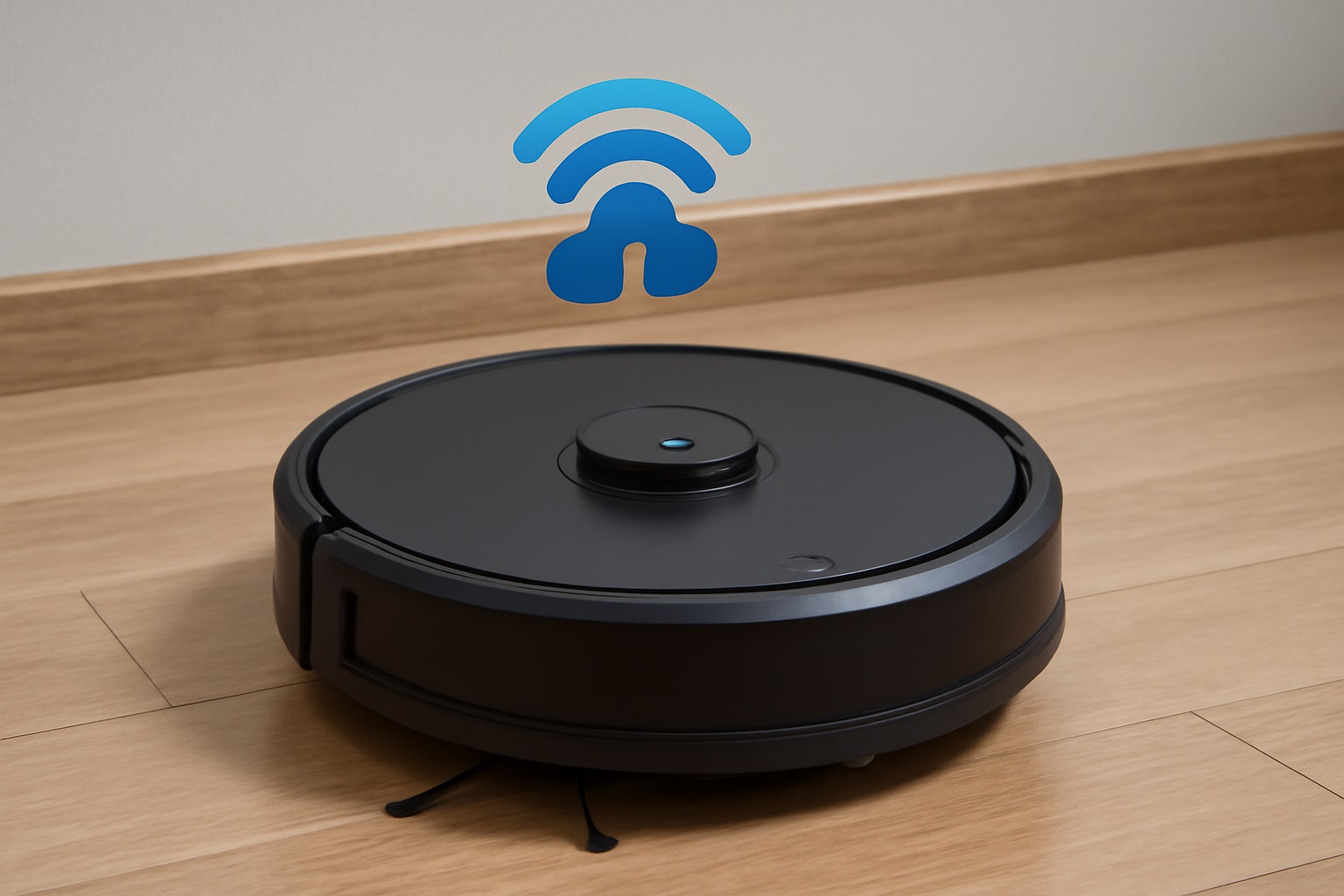
The Internet of Things (IoT) is transforming the way we interact with everyday appliances, and vacuum cleaners are no exception. From smart vacuum cleaners to cordless vacuum cleaners, the integration of IoT features in these devices is improving cleaning efficiency and management in both commercial and residential environments. This article will explore how IoT features in vacuums can enhance cleaning management, making the process smarter, more efficient, and more convenient.
The Evolution of Smart Vacuum Cleaners
Traditional vacuum cleaners, such as household vacuum cleaners or upright vacuum cleaners, typically required manual operation and often lacked the advanced features we now take for granted. Today, vacuum for multi-surface cleaning, wet dry vacuum cleaners, and other modern devices leverage IoT to provide enhanced functionality and better user control. These IoT-connected vacuums can be controlled remotely, can adjust settings based on the surface type, and even provide data on cleaning performance.
By incorporating IoT, these vacuums are not only capable of more precise cleaning but also provide valuable insights into cleaning operations, which is a game-changer for managing cleaning tasks effectively.
What are IoT Features in Vacuums?
IoT features in vacuum cleaners enable the device to connect to the internet, communicate with other devices, and be controlled remotely. Key features include:
Remote Control via Smartphone or App: Users can start, stop, or schedule cleaning tasks using an app.
Voice Control: Integration with voice assistants like Amazon Alexa or Google Assistant allows users to control the vacuum with simple voice commands.
Real-Time Data Monitoring: IoT-enabled vacuums can provide updates on battery levels, cleaning status, and maintenance needs.
Smart Scheduling: Vacuums can be scheduled to clean automatically at specific times or when certain conditions are met.
How IoT Features Improve Cleaning Management
Remote Control and Automation
IoT-connected cordless vacuum cleaners and smart vacuums allow users to control their vacuum remotely. Whether you're at work, on vacation, or just relaxing on the couch, you can start or stop cleaning with a tap on your smartphone. This remote control capability is particularly useful in commercial spaces where cleaning can be scheduled and monitored in real-time, reducing the need for manual intervention.
For instance, an upright vacuum cleaner can be pre-programmed to clean certain areas of the home or office at specific times, allowing the device to clean when it’s most convenient for you, even if you're not around. This reduces labor costs and ensures your cleaning tasks are carried out efficiently.
Surface Detection and Smart Cleaning Modes
One of the standout features of IoT-enabled vacuums is their ability to detect different surfaces and adjust cleaning modes accordingly. For example, vacuum for multi-surface models can automatically adjust suction power when transitioning from carpet to hardwood or tile, ensuring optimal cleaning performance on each surface.
This capability is beneficial for both residential and commercial environments where surfaces vary greatly. With IoT sensors, vacuums automatically calibrate their settings to provide the best cleaning performance without requiring manual adjustments.
Real-Time Monitoring and Feedback
Many IoT-enabled vacuums come with sensors that track cleaning progress in real-time and provide feedback through an app. For example, a wet dry vacuum cleaner can inform the user when the water tank is full, or a cordless vacuum cleaner can notify the user when the battery is running low.
In commercial settings, this data can be used to monitor the performance of multiple vacuums across different areas of a building. Cleaning managers can track the efficiency of each unit and identify areas that may require more attention, thus improving overall cleaning management.
Data-Driven Insights for Better Cleaning Management
IoT-enabled vacuums generate a wealth of data that can be used to optimize cleaning schedules, improve efficiency, and reduce costs. For example, smart vacuums can analyze cleaning patterns and performance, providing insights into how often certain areas need cleaning or which parts of the building are cleaned most frequently.
For large properties or commercial buildings, this data can be invaluable for facility managers to create more effective cleaning schedules, allocate resources more efficiently, and even predict when maintenance is needed, reducing downtime and ensuring consistent cleaning quality.
Predictive Maintenance and Alerts
With IoT technology, wet dry vacuum cleaners, household vacuum cleaners, and smart vacuum models can detect when parts need maintenance or when the vacuum is nearing the end of its lifespan. This predictive maintenance capability helps reduce unexpected repair costs, improve vacuum longevity, and keep cleaning operations running smoothly.
For example, if a vacuum's filter is clogged, the vacuum will alert the user to clean or replace the filter. Similarly, a cordless vacuum cleaner may notify the user when it’s time to recharge or check the battery health, preventing issues before they arise.
Energy Efficiency and Cost Savings
IoT features also help improve the energy efficiency of vacuum cleaners. Smart vacuum models can adjust their power consumption based on the type of surface being cleaned or when the vacuum is idle. This energy-efficient cleaning helps reduce electricity costs and makes vacuum cleaners more eco-friendly, which is increasingly important for both residential and commercial spaces looking to reduce their environmental footprint.
In commercial spaces, this can translate to significant cost savings by optimizing cleaning schedules and minimizing energy waste.
Real-World Example: IoT in Commercial Cleaning
In commercial settings, especially in large buildings, managing cleaning operations efficiently can be a daunting task. However, by using smart vacuum cleaners with IoT features, companies can streamline the entire cleaning process. For instance, a commercial cleaning service can deploy multiple vacuum for multi-surface units across various floors, and monitor their status remotely. The cleaning manager can receive real-time alerts if a vacuum needs attention or if it has completed its cleaning task.
By using data analytics, the manager can optimize cleaning routes, ensure that each area is cleaned at the right time, and adjust schedules to minimize disruption in high-traffic areas. This level of insight and control leads to better resource allocation, fewer cleaning errors, and more efficient operations.
Conclusion
The integration of IoT features in vacuum cleaners is transforming cleaning management in both residential and commercial spaces. With features like remote control, smart scheduling, real-time monitoring, and predictive maintenance, smart vacuums, cordless vacuum cleaners, and wet dry vacuum cleaners are not only improving cleaning efficiency but also reducing operational and maintenance costs. By using these smart features, users can ensure that their cleaning is effective, consistent, and always ready when needed.
Hashtags
SmartVacuum, UprightVacuumCleaners, HouseholdVacuumCleaners, VacuumForMultiSurface, CordlessVacuumCleaner, SmartVacuum, WetDryVacuumCleaners, IoTVacuum, RemoteVacuumControl, EnergySavingVacuum, MultiSurfaceVacuum, CleaningAutomation, PredictiveMaintenance, VacuumMonitoring, Lanxstar.