Hi, message us with any questions.
We're happy to help!





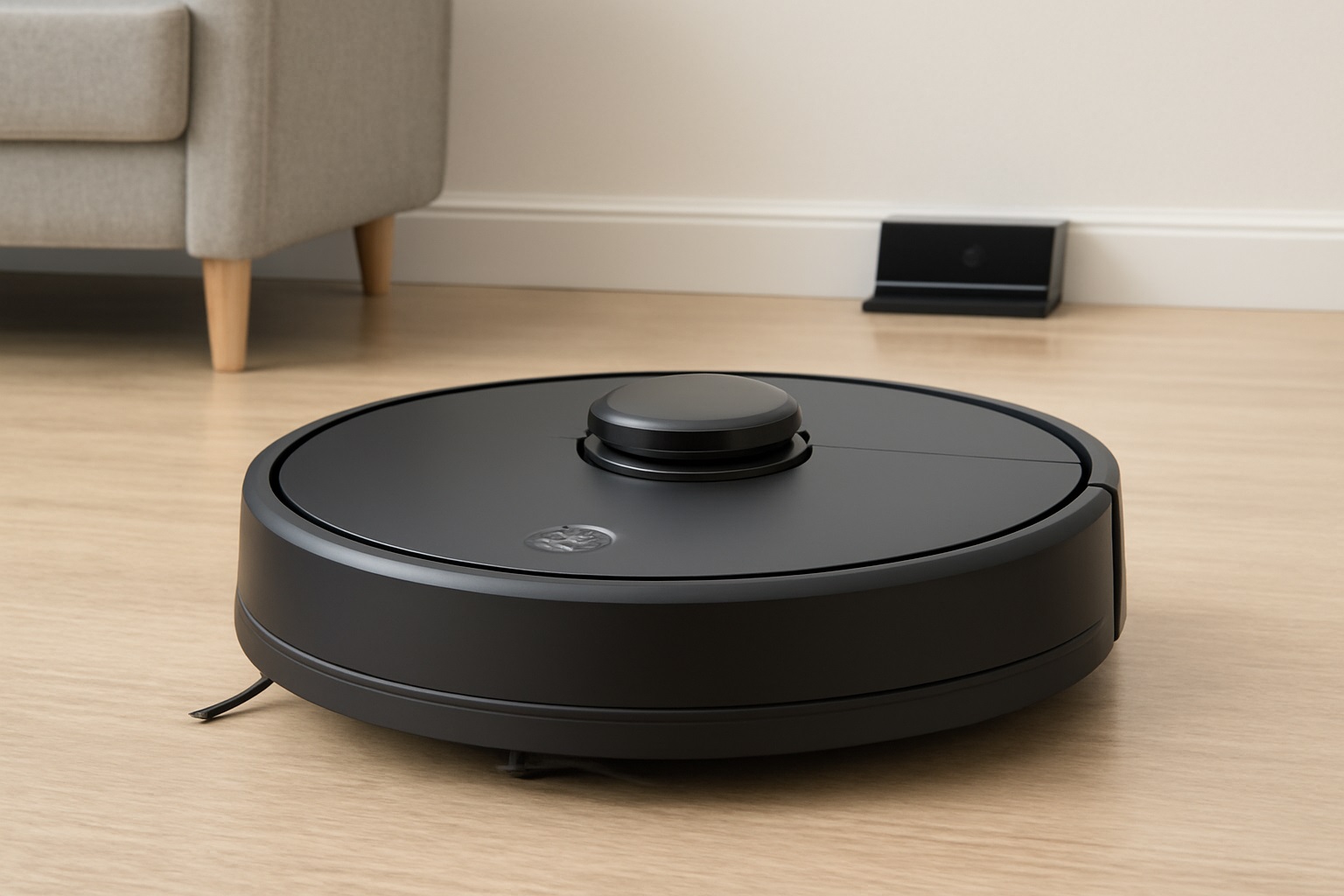 In recent years, robotic vacuum technology has advanced at an incredible pace. One of the most significant changes is the integration of the Internet of Things (IoT), which has turned these intelligent devices into even more powerful and versatile cleaning solutions. IoT-enabled robotic vacuums now offer a level of convenience, automation, and efficiency that was once unimaginable. From seamless smart home integration to real-time monitoring and performance tracking, IoT is revolutionizing the way we clean our homes and businesses.
In this article, we’ll explore how IoT integration is transforming robotic vacuum technology, the benefits it brings to users, and what the future holds for these smart cleaning devices.
1. What is IoT Integration in Robotic Vacuums? 🌐
IoT integration in robotic vacuums means that the vacuum is equipped with connectivity features that allow it to interact with other devices and systems over the internet. This includes integration with smart home hubs, the ability to be controlled remotely through mobile apps, and the ability to receive software updates for performance improvements. Essentially, IoT-enabled vacuums are now part of the growing trend of connected home devices, offering users a more seamless and integrated cleaning experience.
Key Features:
Wi-Fi connectivity: Control your robotic vacuum remotely using a smartphone app.
Software updates: Continuous improvements in performance and features through over-the-air updates.
Smart home integration: Sync with systems like Alexa or Google Assistant for voice control.
2. Remote Control and Monitoring 📱
One of the most appealing benefits of IoT-enabled robotic vacuums is the ability to control and monitor them remotely. Whether you’re at work, on vacation, or simply in another room, you can start, stop, or schedule cleanings using a smartphone app. The ability to monitor the vacuum’s progress in real-time also allows users to keep track of cleaning areas and ensure thorough coverage.
What to Expect:
App control: Start, pause, or schedule cleaning sessions directly from your phone.
Real-time monitoring: View maps of cleaned areas and check battery status or dirt levels.
Customizable cleaning schedules: Set cleaning times to fit your lifestyle or business operations.
3. Smart Home Integration: Making Cleaning Easier 🏠
With IoT-enabled robotic vacuums, cleaning has become even more convenient through smart home integration. These vacuums can sync with your existing smart home devices, such as voice assistants (Alexa, Google Assistant), allowing you to control the vacuum through voice commands. This seamless integration makes it easier to manage cleaning tasks without needing to manually operate the vacuum.
What to Expect:
Voice control: Use voice commands to direct your robotic vacuum to start, stop, or dock.
Automation: Sync with smart home schedules to clean at specific times, even when you're not home.
Advanced automation: Integration with other smart devices, such as air purifiers or smart lights, to optimize cleaning efficiency.
4. Enhanced Performance Through Data Collection 📊
One of the key advantages of IoT in robotic vacuums is the ability to collect and analyze data. These vacuums can track the cleaning process, monitor performance, and even detect obstacles, adjusting their route and suction power accordingly. Through continuous data collection, IoT-enabled vacuums can optimize their cleaning patterns for more efficient and effective results.
What to Expect:
Automatic mapping: The vacuum uses sensors and AI to create a map of your home, improving its cleaning path and efficiency.
Obstacle detection: IoT-enabled vacuums can detect furniture or objects and navigate around them without human intervention.
Cleaning optimization: Data collected from past cleanings helps the vacuum adjust its settings for better performance in specific areas.
5. Real-Time Updates and Notifications 🔔
With IoT integration, robotic vacuums can provide real-time updates and notifications, keeping you informed about the status of the cleaning session. Whether it’s a notification that the vacuum has completed its task or an alert that the dustbin is full or the battery is low, these updates provide valuable insights and allow for proactive maintenance.
What to Expect:
Low battery alerts: Get notified when the vacuum needs to return to its charging dock.
Maintenance alerts: Receive notifications when the vacuum’s filters need cleaning or the dustbin needs emptying.
Completion notifications: Know exactly when the cleaning task has been completed and the vacuum has returned to its dock.
6. Efficiency and Cost Savings 💡
IoT-enabled robotic vacuums not only offer convenience but also improve cleaning efficiency, ultimately saving time and money. Through features like real-time monitoring, automated cleaning schedules, and optimal navigation, these vacuums can clean more thoroughly and in less time. For businesses, this means a cleaner environment without the need for extensive manual labor, while homeowners can enjoy a more hands-off cleaning solution.
What to Expect:
Time-saving automation: Let the vacuum handle the cleaning while you focus on other tasks.
Improved cleaning coverage: Thanks to smart mapping and efficient path planning.
Reduced labor costs: Businesses can reduce the need for manual cleaning by using robotic vacuums.
7. The Future of Robotic Vacuums with IoT 🚀
The future of IoT-enabled robotic vacuums looks incredibly promising. As technology continues to evolve, we can expect even more advanced features such as AI-powered cleaning patterns, voice assistant integration, and sustainability improvements. These vacuums will become even smarter, providing users with more autonomy, better cleaning performance, and even deeper integration into the smart home ecosystem.
What to Expect:
AI-driven automation: Smart vacuums that predict cleaning needs and optimize their routes.
More intelligent interactions: Deeper integration with other smart home devices for seamless control.
Sustainability features: Improved energy efficiency, longer battery life, and recyclable components.
Conclusion: The Impact of IoT on Robotic Vacuum Technology 🌍
IoT integration has truly revolutionized the way robotic vacuums operate. With features like remote control, smart home integration, real-time monitoring, and performance optimization, these vacuums are providing consumers with smarter, more efficient cleaning solutions. As the technology continues to evolve, we can expect robotic vacuums to become even more intelligent, seamless, and capable, making them an indispensable part of smart homes and businesses.
For more information on the latest IoT-enabled robotic vacuums, visit www.lxvacuum.com.
50 Keywords (Separated by Commas):
IoTRoboticVacuum, RoboticVacuumTechnology, SmartVacuum, IoTEnabledVacuum, RoboticVacuumWithIoT, SmartHomeVacuum, IoTVacuumCleaner, BestSmartRoboticVacuum, RoboticVacuumWithWiFi, IoTConnectedVacuum, RoboticVacuumForHomeAutomation, SmartRoboticVacuumTrends, SmartVacuumCleaner, IoTInVacuumCleaning, RoboticVacuumWithAppControl, VoiceControlledRoboticVacuum, SmartVacuumWithIoTIntegration, HomeAutomationVacuum, AIEnabledVacuum, ConnectedVacuumForHome, WiFiRoboticVacuum, SmartSensorVacuum, RoboticVacuumWithMapping, AutomatedCleaningRobot, AIVacuumCleaner, SmartFloorVacuum, RoboticVacuumForAllSurfaces, SmartNavigationVacuum, MobileAppControlledVacuum, AdvancedRoboticVacuum, HomeVacuumWithSmartFeatures, RealTimeMonitoringVacuum, RoboticVacuumWithObstacleDetection, VoiceActivatedVacuum, AutonomousVacuumCleaner, IntelligentCleaningRobot, IoTConnectedHomeVacuum, SmartHomeIntegrationVacuum, BatteryLifeMonitoringVacuum, EcoFriendlyRoboticVacuum, EfficientCleaningVacuum, CommercialRoboticVacuum, SmartCleaningDevice, InteractiveRoboticVacuum, PowerfulIoTVacuum, IntelligentSuctionVacuum, RoboticVacuumWithDataAnalytics, SmartMapVacuum, RobotVacuumForSmartHomes, VacuumWithAutomaticScheduling.



