Hi, message us with any questions.
We're happy to help!





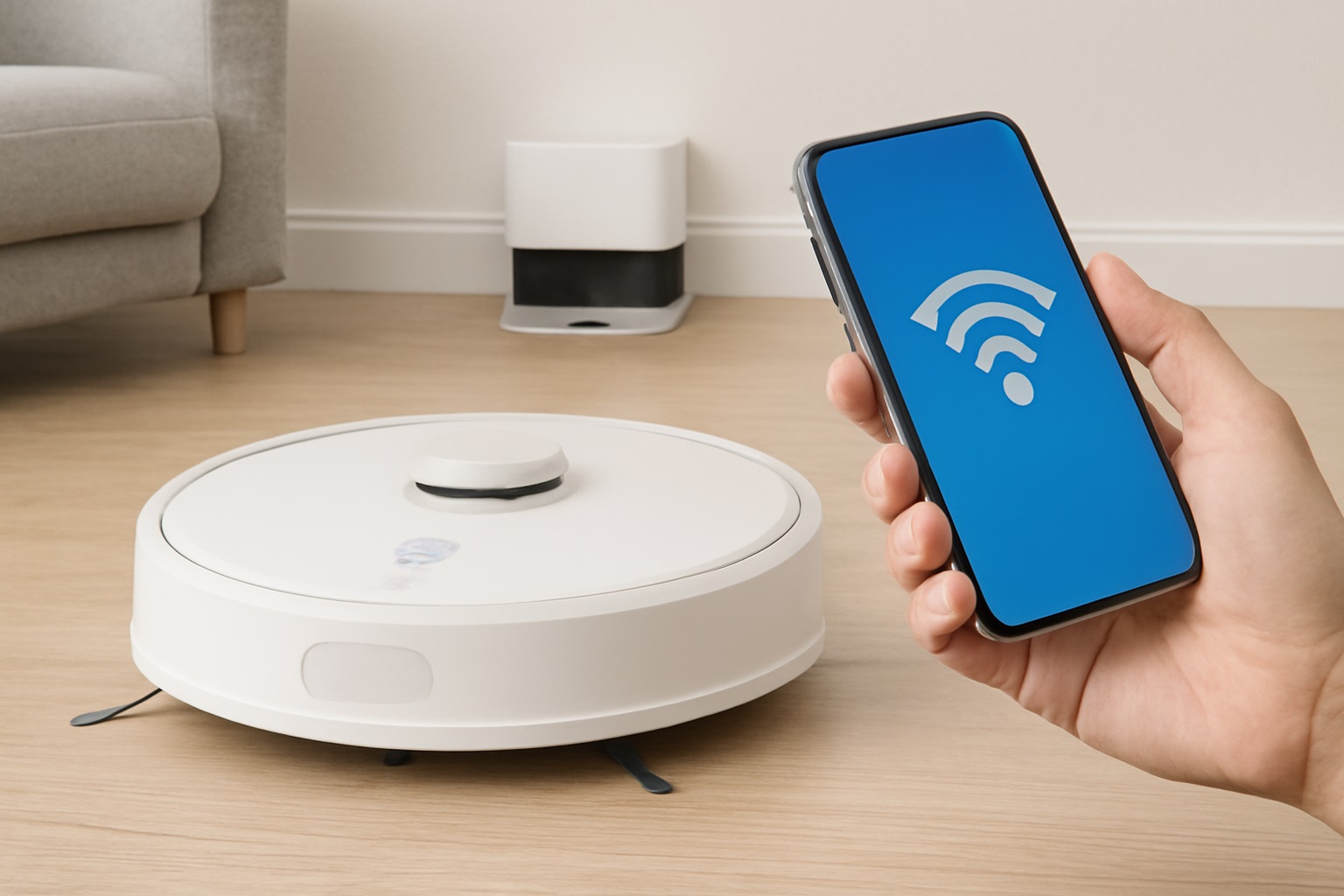
As smart home technology continues to evolve, one of the most exciting advancements is the integration of IoT-connected robotic vacuums. These intelligent cleaning devices are not just making life easier by automating cleaning tasks, but they are also playing a crucial role in creating a more efficient and convenient smart home ecosystem. The future of smart homes will see increased interaction between devices, with robotic vacuums becoming key players in this interconnected world.
This article will explore how IoT-connected robotic vacuums are shaping the future of smart homes, the benefits they offer to homeowners, and how they integrate with other smart devices to create a seamless living environment.
1. The Role of IoT in Smart Home Automation 🏠
The Internet of Things (IoT) has revolutionized the way we live by connecting devices and allowing them to communicate with each other. In the context of smart homes, IoT-enabled robotic vacuums are becoming an integral part of the home automation ecosystem. These vacuums can interact with other smart devices, such as lights, thermostats, and security systems, to create a more efficient and automated home.
What to Expect:
Seamless integration: Robotic vacuums can synchronize with other smart devices like lights and thermostats to optimize energy use.
Smart cleaning routines: Scheduling and starting cleaning sessions based on your daily activities and home environment.
Remote control: Monitor and control your vacuum remotely using smartphone apps or voice assistants.
2. Benefits of IoT-Connected Robotic Vacuums in Smart Homes 💡
IoT-connected robotic vacuums offer numerous benefits, making them a valuable addition to any smart home. These vacuums provide increased convenience, energy efficiency, and improved cleaning performance. By connecting to your smart home system, they become more than just cleaning tools—they are intelligent devices that adapt to your home’s needs and make your life easier.
What to Expect:
Improved cleaning performance: Real-time adjustments to suction power, navigation, and cleaning routes based on the environment.
Increased convenience: Automation allows for hands-off cleaning, with minimal manual intervention required.
Energy efficiency: IoT-connected vacuums optimize power use by adjusting settings based on cleaning needs, reducing electricity consumption.
3. Smart Home Integration: More Than Just a Vacuum 🏡
One of the key benefits of IoT-connected robotic vacuums is their ability to integrate seamlessly into the smart home ecosystem. These vacuums can communicate with other smart home devices, such as lighting systems, security cameras, and smart thermostats, to optimize household operations. For example, a robotic vacuum can be set to start cleaning when you leave the house, or it can sync with your smart lights to clean when the home is quiet and the lights are off.
What to Expect:
Integrated schedules: Vacuums can sync with your home’s daily routines, such as cleaning during the day while you are away.
Multi-device control: Manage your robotic vacuum with voice commands via Alexa or Google Assistant, controlling the vacuum alongside other smart devices.
Home automation: The vacuum can work in conjunction with other smart devices, triggering actions like dimming lights or adjusting the thermostat for optimal cleaning conditions.
4. Voice Control and Customization 🔊
Voice control is one of the most convenient ways to interact with an IoT-connected robotic vacuum. Homeowners can use voice assistants like Amazon Alexa, Google Assistant, or Apple Siri to start, stop, or schedule cleaning sessions. This integration allows for hands-free control and provides added convenience, especially when multitasking or when you’re at home with limited time.
What to Expect:
Voice commands: Start, pause, or stop the vacuum with simple voice commands.
Customizable cleaning routines: Set specific cleaning times or adjust cleaning modes using voice assistants.
Personalized cleaning: Voice-controlled vacuums can clean specific rooms, floors, or areas based on your needs.
5. Real-Time Monitoring and Updates 📱
One of the key features of IoT-connected robotic vacuums is their ability to provide real-time updates and performance monitoring through a mobile app. Homeowners can track their vacuum’s cleaning progress, monitor battery life, and even receive alerts if maintenance is required. This connectivity offers peace of mind, allowing you to manage your cleaning needs even when you’re not at home.
What to Expect:
Real-time cleaning progress: Track how much area has been cleaned and how much remains.
Battery and status notifications: Get alerts when the vacuum is low on battery or when it has completed its task.
Maintenance alerts: Receive notifications when the vacuum needs cleaning or a filter replacement.
6. Energy Efficiency and Cost Savings 🌱
As part of the smart home ecosystem, IoT-connected robotic vacuums are designed to be energy-efficient. They can adjust their cleaning power based on the amount of dirt or debris detected, ensuring that energy isn’t wasted during cleaning sessions. This energy efficiency not only saves electricity but also helps reduce overall household energy consumption.
What to Expect:
Optimized power usage: The vacuum automatically adjusts suction power based on the cleaning task, reducing energy consumption.
Cleaner air and environment: Many IoT-connected vacuums come equipped with advanced filtration systems, improving indoor air quality while saving energy.
Long-term savings: Reduced energy consumption leads to lower electricity bills over time, while intelligent cleaning optimizes cleaning time and frequency.
7. The Future of IoT-Connected Robotic Vacuums 🚀
As IoT technology continues to advance, robotic vacuums will become even smarter, more energy-efficient, and more integrated into the smart home ecosystem. In the future, these vacuums will likely incorporate AI, machine learning, and predictive analytics to optimize cleaning schedules and even anticipate cleaning needs based on user behavior. With these advancements, robotic vacuums will become even more autonomous, providing an even greater level of convenience.
What to Expect:
AI-driven cleaning: Vacuums will use AI to predict the best cleaning routes and times based on previous patterns.
Seamless home integration: Future models will integrate with more devices, such as smart speakers, lights, and security systems, for a fully connected home.
Self-maintenance features: Robotic vacuums will be able to clean their own filters, empty their dustbins, and even return to their charging stations when needed.
Conclusion: The Future of Smart Homes and IoT-Connected Robotic Vacuums 🌟
The future of smart homes is bright, with IoT-connected robotic vacuums at the forefront of innovation. By integrating into the larger ecosystem of connected devices, these vacuums offer a level of convenience, efficiency, and energy savings that will continue to improve the way we maintain our homes. As these devices become more intelligent and connected, we can expect even more seamless and automated cleaning solutions that fit perfectly into the modern smart home.
For more information on the latest IoT-connected robotic vacuums, visit www.lxvacuum.com.
50 Keywords (Separated by Commas):
IoTConnectedRoboticVacuum, SmartHomeVacuum, IoTRoboticVacuum, RoboticVacuumForSmartHomes, SmartHomeAutomationVacuum, ConnectedVacuumCleaner, FutureOfSmartHomes, VacuumWithIoTIntegration, IoTHomeCleaningSolutions, SmartRoboticVacuum, RoboticVacuumForHomeEcosystem, VacuumAutomationForSmartHomes, IoTEnabledVacuumCleaner, SmartNavigationVacuum, VoiceControlledSmartVacuum, AutomatedCleaningRobot, RoboticVacuumWithWiFi, IntelligentCleaningVacuum, HomeAutomationVacuum, SmartCleaningSystem, VoiceActivatedVacuum, VacuumWithAppControl, SmartHomeIntegrationVacuum, AdvancedRobotVacuum, RobotVacuumWithMapping, RoboticVacuumWithSensors, AIIntegratedVacuum, MachineLearningVacuum, HomeRobotVacuum, EnergyEfficientRoboticVacuum, AutomatedVacuumForSmartHomes, RealTimeMonitoringVacuum, PredictiveCleaningVacuum, RoboticVacuumForCarpets, RoboticVacuumWithHEPAFilter, WiFiConnectedVacuum, SmartVacuumWithMobileApp, CordlessRoboticVacuum, SmartFloorCleaning, RoboticVacuumForPetHair, CleanSmartVacuum, AIControlledVacuum, SelfCleaningRobotVacuum, RoboticVacuumForLargeHomes, AutonomousRoboticVacuum, SmartVacuumForOffices, ConnectedVacuumForApartments, QuietSmartVacuum, RoboticVacuumWithRemoteControl.Lanxstar