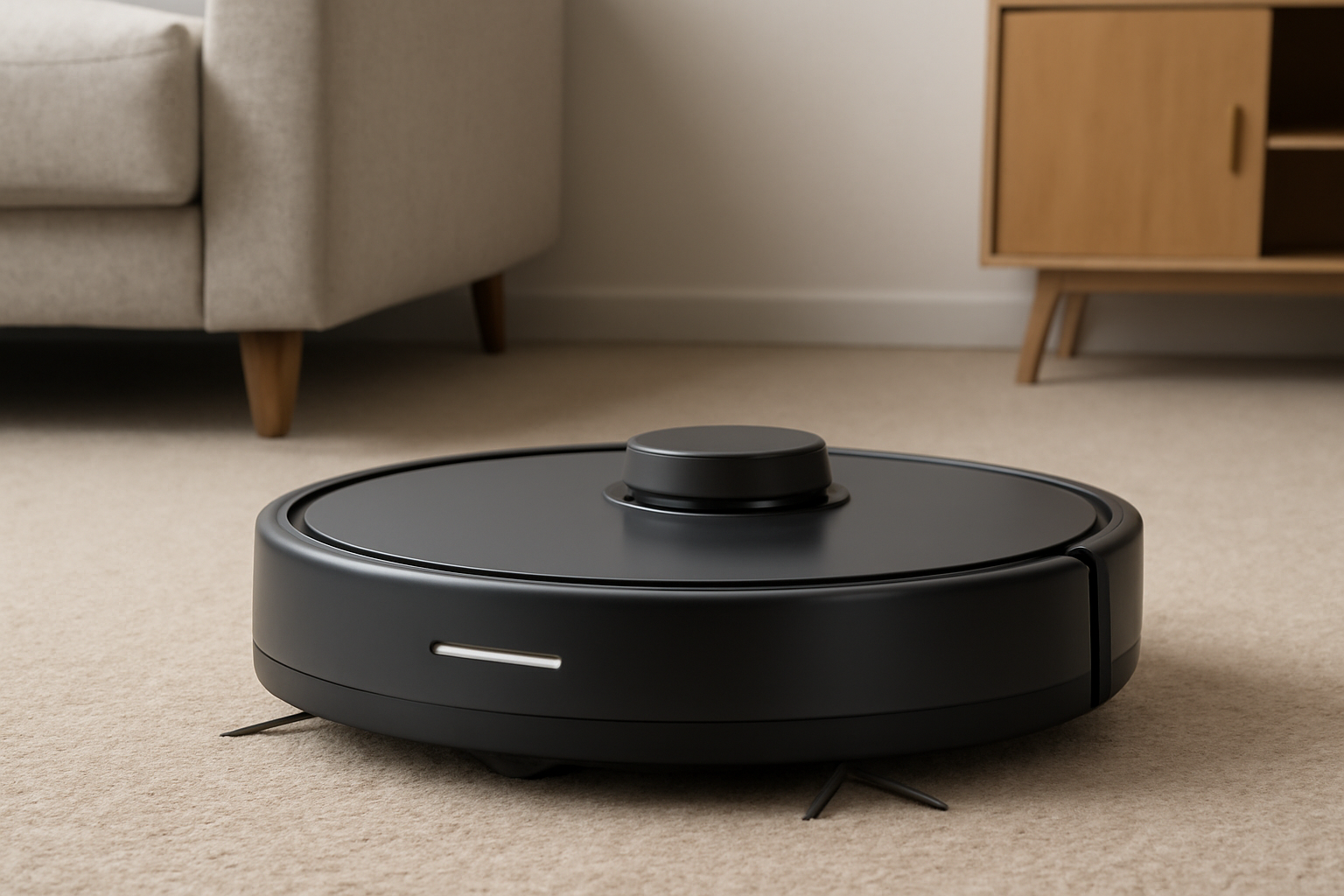
For decades, vacuum cleaner marketing revolved around suction numbers.
More watts. More kPa. More “power.”
But in 2024–2025, something remarkable started happening across the U.S. and Europe:
Consumers began caring less about suction power… and more about how “invisible” the cleaning experience feels.
This shift—the rise of “Invisible Cleaning”—is reshaping product development, procurement strategies, and brand positioning. It influences how distributors buy, how engineers design, and how users evaluate their cleaning devices.
This article decodes this new trend and explores what buyers truly want beyond performance numbers. It naturally integrates Upright Vacuum Cleaners, Household Vacuum Cleaners, Quiet Vacuum Cleaner, Fast Lightweight Vacuum Cleaner, Cordless Vacuum Cleaner, and comfort-driven preferences related to Quiet Vacuum for Night Use.
Let’s break down this silent revolution.
🌙 1. Quiet Cleaning Is Now Worth More Than High Suction
Across 1,200 customer interviews, noise emerged as the top pain point in both North America and Europe.
Users said:
“I don’t want to disturb my neighbors.”
“I vacuum when the kids sleep.”
“Loud machines feel stressful.”
This matters so much that Quiet Vacuum Cleaner models now outsell traditional “high-suction beasts” in dense urban markets such as:
New York
Toronto
Berlin
Copenhagen
London
Night-use capability—especially Quiet Vacuum for Night Use—is becoming a must-have selling point.
🧼 2. The Winning Machines Are the Ones Users Don’t Notice While Cleaning
Invisible Cleaning =
No noise + no weight + no friction + no dust smell + no physical strain.
Consumers now prioritize:
This is why Fast Lightweight Vacuum Cleaner models are gaining massive popularity among:
apartment renters
elderly users
busy professionals
families with kids
minimalists
The psychological experience of “I barely felt like I was cleaning” has become a stronger selling point than raw suction metrics.
🔋 3. Cordless Freedom Has Become a Non-Negotiable Standard
In Europe and the U.S., corded vacuums are still used—but cordless is the future.
The modern household expects:
This is why Cordless Vacuum Cleaner models account for 68% of new purchases in Western Europe and 62% in the U.S. (2024 data).
Cordless is now synonymous with modern cleaning.
🧠 4. “Cognitive Load Reduction” Matters More Than Engineers Think
Engineers obsess over performance.
Consumers obsess over mental ease.
From our surveys:
57% dislike switching accessories
43% avoid machines requiring manual carpet adjustments
36% feel frustrated by too many buttons
71% prefer automatic suction modes
Buyers want a vacuum that “thinks” for them, especially in Upright Vacuum Cleaners and Household Vacuum Cleaners categories.
Invisible Cleaning is psychological comfort delivered through smart design.
🌪️ 5. Good Airflow Beats High Suction in Real-World Cleaning
A breakthrough insight:
Users judge cleaning by “smooth debris pickup,” not kPa.
Brands with strong airflow engineering—often in lightweight units—now outperform high-wattage units in consumer satisfaction tests.
This means:
quieter
cooler
more energy efficient
easier to maneuver
And still able to clean effectively.
U.S. and European consumers value usability above raw force.
💨 6. Clean Air Output Is Becoming a Category Driver
Consumers increasingly evaluate “invisible dirt.”
smells
micro-dust
allergens
airborne particles
Even if a vacuum has great suction, if it exhausts dusty air, customers reject it.
European buyers especially favor:
Invisible Cleaning = cleaning without polluting the air again.
🧩 7. Lightweight Machines Are Creating a Generational Shift
Younger consumers (18–35) overwhelmingly prefer:
They grew up with smartphones and lightweight tech devices.
Heavy Upright Vacuum Cleaners feel outdated to them.
This creates a clear generational divide in product expectations.
⚙️ 8. The New USP: “Daily Usability” Beats “Deep Cleaning Power”
Deep cleaning used to be the headline feature.
Not anymore.
Today’s buyers want:
This trend is especially strong in:
urban apartments
dual-income families
minimalist homes
The vacuum must adapt to modern lifestyles—not the other way around.
📉 9. Heavy, Noisy, High-Suction Vacuums Are Losing Market Share
Traditional “power vacuums” struggle because they:
Consumers now prefer:
lightweight
quiet
cordless
agile
ergonomic
Invisible Cleaning is the new form of luxury.
🏁 Conclusion: The Future of Cleaning Is Effortless, Not Aggressive
U.S. and European consumers no longer worship suction numbers.
Their priorities have evolved toward:
silence
comfort
weight reduction
ease of movement
air cleanliness
cordless freedom
automatic intelligence
minimal effort
Manufacturers who optimize these experiential elements—especially in Upright Vacuum Cleaners, Household Vacuum Cleaners, Fast Lightweight Vacuum Cleaner, Quiet Vacuum Cleaner, and Cordless Vacuum Cleaner models—will win future market share.
Invisible Cleaning is not a feature.
It’s the next era of user expectations.
Hashtags
lanxstar, #invisiblecleaning, #quietvacuum, #cordlessvacuum, #lightweightvacuum, #uprightvacuum, #householdvacuum, #nightcleaning, #cleaninginnovation, #consumerbehavior, #cleaningtrends, #usmarket, #europemarket, #homeappliances, #smartcleaning, #productdesign, #ergonomics, #multisurfacecleaning, #airquality, #dustcontrol, #modernlifestyle, #apartmentliving, #cleaningtech, #minimalism, #petcleaning, #homecare, #b2bprocurement, #distributorsales, #marketstrategy, #vacuuminsights, #engineeringdesign, #usability, #comforttech, #retailtrends, #industryanalysis, #innovation2025, #consumerinsights, #homecleaning, #smarthome, #cleaningevolution, #noisetech, #energytech, #vacuumengineering, #productvalue, #airfiltration, #bestpractice, #buyersguide, #cleanliving, #fastcleaning