Hi, message us with any questions.
We're happy to help!





🌍 Introduction
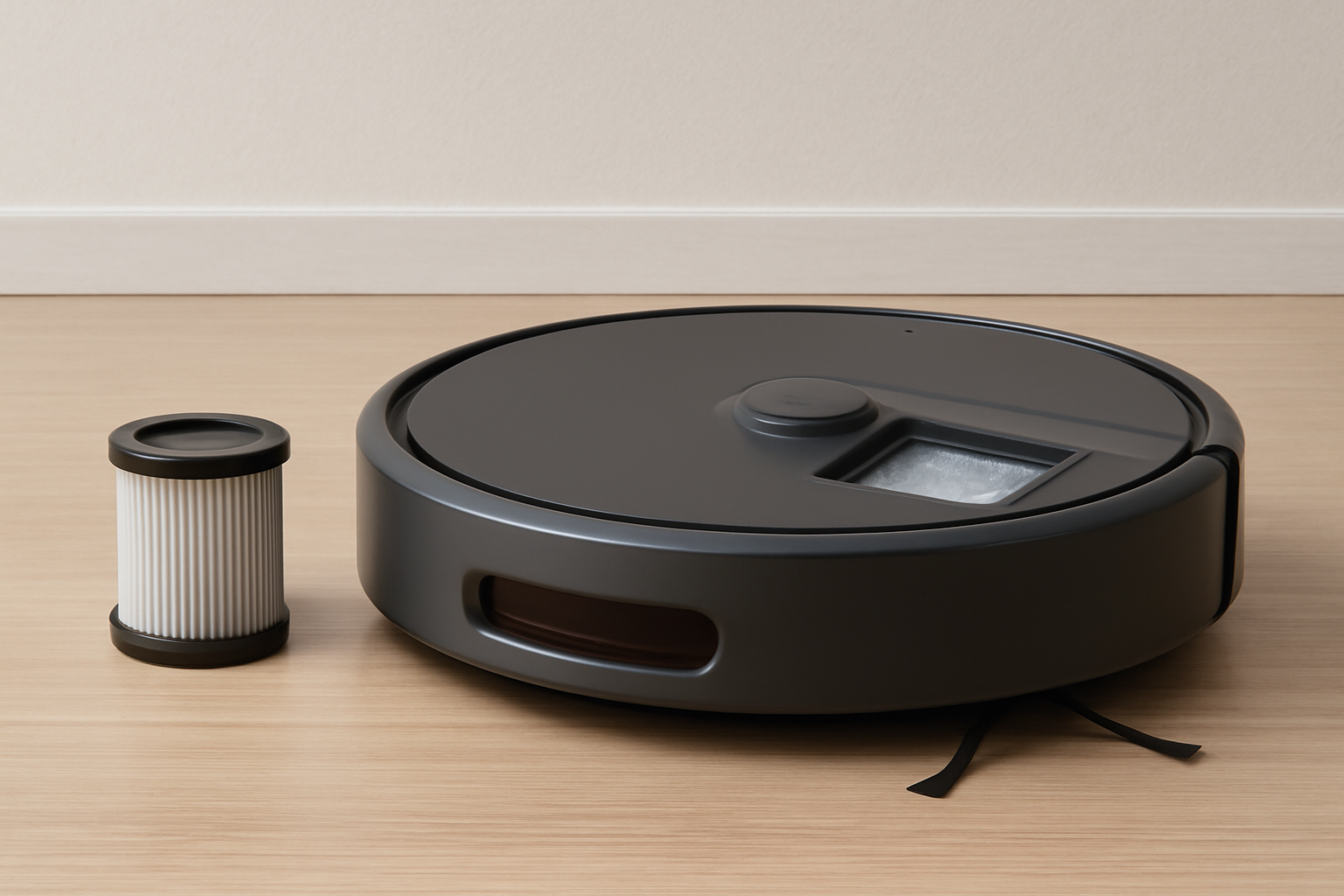
In the rapidly evolving world of vacuum cleaner technology, smart vacuums represent the next frontier. These cutting-edge devices combine artificial intelligence (AI), sensors, and automation to revolutionize how we clean our homes and workplaces. But at the heart of this innovation lies an often-overlooked aspect: the filter.
While most people think of vacuums as powerful suction machines, the real magic happens in the filter system. Advanced filtration technologies are becoming integral to the performance, efficiency, and sustainability of next-generation vacuums. In this article, we’ll explore what the future of filtration holds, focusing on how innovations in HEPA filtration, AI-driven smart filters, and self-cleaning technologies are shaping the future of smart vacuums. 🌿
⚡ Part 1: The Evolution of Smart Vacuum Filters
🔹 Early Vacuum Filters — Basic and Functional
Early vacuum cleaner filters were simple, often made of basic paper, foam, or mesh materials. These filters did their job of trapping dust and debris, but as technology progressed, the limitations became apparent.
For High Suction Vacuum Cleaners, these traditional filters often clogged quickly, reducing suction power and increasing energy consumption. To address these issues, manufacturers began integrating HEPA (High-Efficiency Particulate Air) filters, which offered much finer filtration for smaller particles, including allergens.
But even HEPA filters have their limitations. As the demand for smarter, more efficient vacuums grew, manufacturers began looking for ways to create intelligent filtration systems that could adjust to cleaning needs in real-time.
🤖 Part 2: AI-Powered Filtration and Smart Sensors
💡 AI-Driven Filter Monitoring
In the future, vacuum filters will become more than just passive dust collectors. AI technology will allow vacuums to monitor filter efficiency in real time and optimize suction power based on the cleanliness of the filter.
For example, a Cordless Smart Vacuum Cleaner could use AI sensors to detect the level of dust buildup in the filter. Once the sensor detects a certain threshold, the system could either adjust the suction power to maintain efficiency or trigger a self-cleaning process to shake off the dust.
🧠 Machine Learning for Personalized Cleaning
Over time, AI will allow vacuums to "learn" cleaning habits and environments. By collecting data from sensors, these vacuums will automatically adjust their cleaning settings based on room size, floor type, and the amount of dust or allergens present. For instance, a Vacuum Cleaner for Pet Hair might automatically increase suction when it detects fur buildup, while adjusting power during quieter, lighter cleaning tasks.
🤖 Real-Time Filter Adjustments
Smart vacuums will also be able to assess environmental conditions in real-time. For example, if a HEPA Filter Vacuum Cleaner detects a heavy buildup of allergens like pollen or dust mites, the AI can boost filtration power, ensuring cleaner air and higher suction.
💨 Part 3: Self-Cleaning Filters — The Next Big Innovation
🔹 The Need for Self-Cleaning Filters
One of the most common issues with vacuum filters is clogging. Over time, dust, pet hair, and debris can clog the filter, reducing suction and airflow. This results in increased energy use, decreased filter lifespan, and ultimately, more frequent cleaning or replacement.
To solve this, the next generation of vacuums will integrate self-cleaning filters. These filters use advanced technologies such as reverse airflow or vibration systems to dislodge debris automatically, ensuring the filter remains clear without manual intervention.
💡 How Self-Cleaning Filters Work
A Self-Cleaning Vacuum Cleaner uses either a reverse airflow mechanism or vibration technology to shake off dust and dirt from the filter. This process reduces the need for regular maintenance, keeping the filter in prime working condition for longer periods.
For example, a 4 in 1 Cordless Smart Wet & Dry Vacuum Cleaner with a self-cleaning filter could automatically reverse airflow when it detects clogging, clearing debris from the filter and restoring full suction power. This would make vacuuming even more effortless, as users won’t need to stop and clean the filter themselves.
🔋 Part 4: The Role of Filtration in Battery Life and Efficiency
⚡ Balancing Power and Efficiency
For Li-ion Cordless Vacuums, efficient filtration plays a critical role in maximizing battery life. The key is minimizing airflow resistance. A clean, well-maintained filter allows air to flow freely, reducing the strain on the motor and improving battery efficiency.
Filters with high airflow resistance cause the motor to work harder, consuming more energy and reducing runtime. Therefore, vacuums with advanced, low-resistance filters can offer longer battery life, a critical feature for Energy-Saving Efficient Powerful Vacuum Cleaners.
🧬 High-Efficiency Filter Materials
Manufacturers are exploring nanomaterial-based filters that are not only highly effective at trapping dust and allergens but also lightweight and low-resistance. These materials could help Cordless Vacuum Cleaners run longer on a single charge, while still providing powerful suction.
🌿 Part 5: Sustainability and Eco-Friendly Filtration
🌱 Reusable and Recyclable Filters
As the world becomes more eco-conscious, sustainability is playing an increasing role in vacuum design. Future smart vacuum cleaners will likely incorporate washable and recyclable filters made from sustainable materials. These filters would reduce waste, improve recyclability, and lower long-term costs for both users and manufacturers.
♻️ Bio-Based Materials for Filters
The next wave of vacuum filter innovation includes bio-based filters, created from natural fibers or biodegradable plastics. These materials would be completely compostable, reducing environmental impact and waste.
🌍 Circular Design in Filtration
In the future, smart vacuums will also follow a circular design philosophy — allowing users to easily replace filters, motors, and batteries, while recycling parts that are no longer needed. This approach reduces resource use, increases product lifespan, and supports a sustainable cleaning ecosystem.
🧠 Part 6: Advanced Hybrid Filtration Systems
The future of filtration in smart vacuums involves hybrid systems that combine the best of both worlds. These systems will combine HEPA filtration, carbon filters, and electrostatic layers into one multi-stage process that efficiently traps allergens, dust, and odors while minimizing suction loss and energy consumption.
🔹 HEPA + Carbon Filters
By combining HEPA and carbon filters, vacuums can not only capture fine dust and allergens but also remove odors and VOCs (volatile organic compounds). This is especially beneficial for homes with pets or smokers, where odors can linger and affect air quality.
🔹 Smart Hybrid Filters
Some next-gen systems will integrate AI-powered hybrid filters that automatically adjust the filtration process based on room conditions. For instance, if the vacuum detects heavy particulate matter in the air (like after dusting or a pet’s activity), the filtration system can automatically intensify, providing maximum cleaning efficiency when it’s needed most.
🏠 Part 7: Applications in Smart Homes and Future Trends
🏡 Smart Home Integration
Future vacuums will be fully integrated into the smart home ecosystem. By connecting to apps or home assistants like Alexa and Google Home, smart vacuums will automatically adjust their cleaning schedules, suction power, and filter settings based on environmental data.
🧬 AI-Powered Air Quality Control
Smart vacuums could also double as air purifiers. By continuously monitoring air quality, these devices would automatically increase filtration when airborne allergens or particles are detected. This would make smart vacuums an essential part of maintaining optimal indoor air quality.
💻 Voice and Mobile Control
Smart vacuums will also feature enhanced mobile control through apps. These apps could notify users about filter maintenance needs, track filter lifespan, and even show real-time air quality updates.
🧾 Conclusion
The future of vacuum filtration is smarter, more efficient, and eco-friendly. From AI-powered filtration systems to self-cleaning filters, the next generation of vacuums will revolutionize how we clean, making it easier, faster, and more sustainable.
For consumers and manufacturers alike, understanding the potential of these technologies means embracing a future where cleaning not only improves our homes but also our planet. 🌿✨
📌 Suitable for
Middle East vacuum cleaner distributors, OEM buyers, R&D engineers, and smart appliance manufacturers focused on sustainability and innovation.
🧠 SEO TAGS
High Suction Vacuum Cleaner, Portable Quiet Vacuum Cleaner, Self-Cleaning Vacuum Cleaner, Multi-Functional Durable Vacuum Cleaner, Fast Lightweight Vacuum Cleaner, Energy-Saving Efficient Powerful Vacuum Cleaner, Large-Capacity Wet Dry Vacuum Cleaner, Li-ion Cordless Handheld Vacuum Cleaner, Wet Dry Vacuum Cleaners, 4 in 1 Cordless Smart Wet & Dry Vacuum Cleaner, cordless handheld vacuums, Cordless Vacuum Cleaner, Car Vacuum Cleaner, quiet vacuum cleaner, wet dry vacuum, Vacuum Cleaner for Pet Hair, HEPA Filter Vacuum Cleaner, Wet and Dry Vacuum Cleaner, Apartment Vacuum Cleaner, washable filter vacuum, smart vacuum system, AI vacuum sensor, smart filtration, self-cleaning technology, energy-efficient design, hybrid filtration system, smart home vacuum cleaner, cordless battery life optimization, eco-friendly vacuum cleaner, multi-layer filtration, self-regenerating filter, rechargeable vacuum, carbon filter vacuum, sustainable home cleaning, hybrid HEPA carbon filter, circular design vacuum cleaner, smart home cleaning, smart filter adjustment, HEPA vacuum cleaner, energy-saving motor system, powerful suction control, filter cleaning automation, smart air purifier vacuum, sustainable appliance innovation, advanced smart filtration, efficient wet dry vacuum, eco vacuum technology.