Hi, message us with any questions.
We're happy to help!





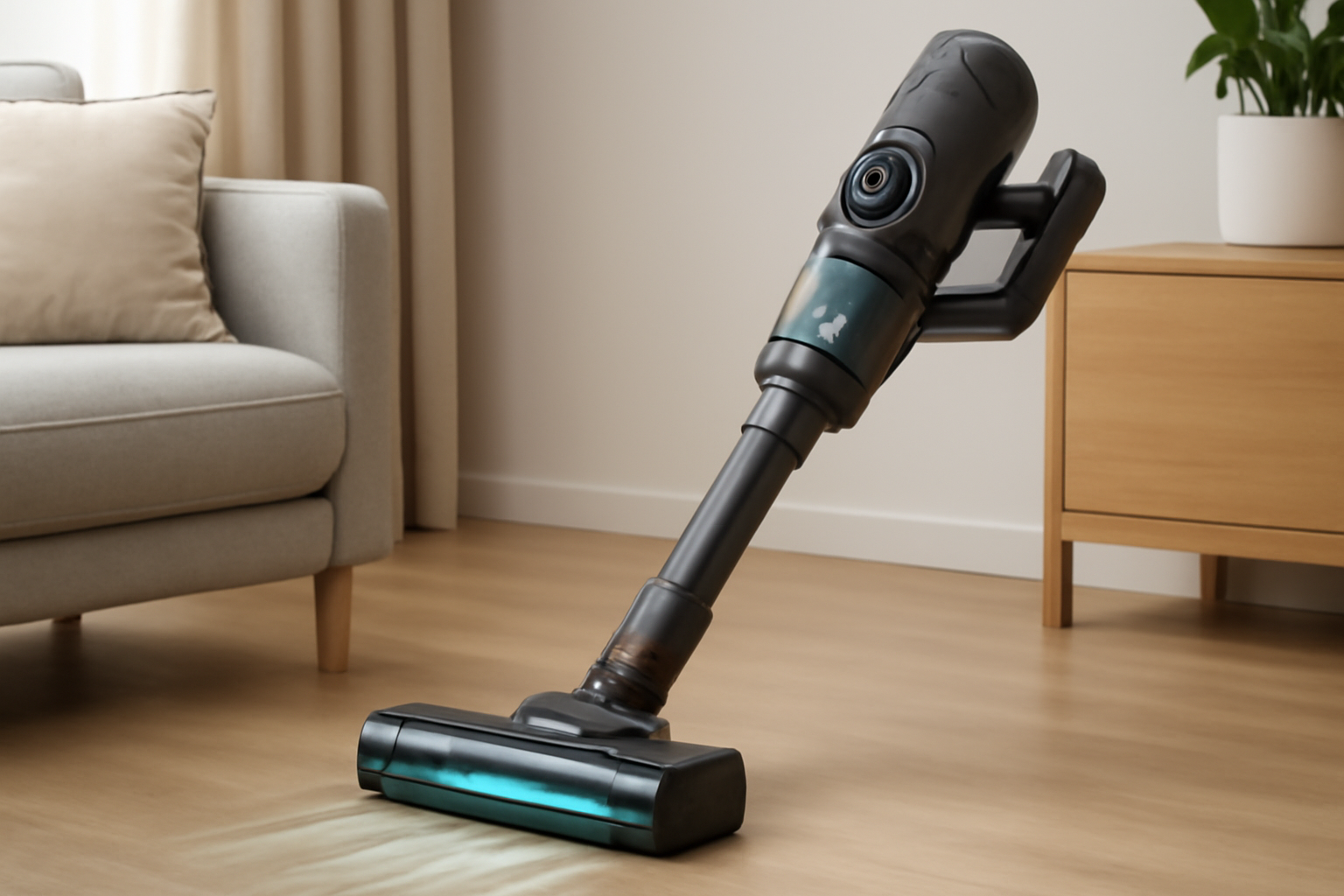
🌍 Introduction
Vacuum cleaners have long been essential tools in maintaining clean and healthy indoor environments. Yet, as homes become smarter and more connected, so too must our cleaning devices. The latest wave of innovation is smart filtration systems that go far beyond traditional dust collection. These advanced technologies not only trap dirt and debris but also improve air quality, optimize cleaning performance, and reduce environmental impact.
In this article, we’ll explore how smart filtration systems in modern High Suction Vacuum Cleaners are revolutionizing cleaning. From AI-powered sensors to self-adjusting filters, these innovations promise a more effective and efficient approach to tackling indoor allergens, dust, and pollutants. 🌿🤖
🤖 Part 1: The Evolution of Smart Filters in Vacuum Cleaners
🔹 Early Filtration Systems
Traditional vacuum filters were simple in design, primarily consisting of mesh or paper. These filters were effective at trapping large particles like dust and hair but were inefficient at capturing fine allergens, bacteria, or microscopic dust. Over time, the introduction of HEPA filters (High Efficiency Particulate Air) improved the performance of vacuums in capturing smaller particles, offering cleaner air and better suction power.
However, despite these advancements, there were still challenges — primarily in filter maintenance, airflow resistance, and energy consumption. Traditional systems often needed regular cleaning or replacement, reducing their effectiveness over time.
🔹 The Smart Filtration Revolution
The rise of AI-powered technology and smart sensors has brought significant advancements to filtration systems. Now, vacuums can automatically adjust their filtration processes based on environmental conditions, optimize airflow, and ensure constant suction. These innovations promise to make vacuums smarter, more efficient, and easier to maintain.
Smart filtration systems are the key to the next generation of cordless vacuums, self-cleaning vacuums, and eco-friendly cleaning solutions.
🧠 Part 2: How Smart Filtration Works
Smart filters are integrated with advanced sensors, AI, and machine learning algorithms that allow them to interact with the environment and adjust cleaning modes accordingly. Here’s how they work:
💡 1. AI-Powered Filter Monitoring
AI sensors embedded in vacuums track the filter's condition in real-time. These sensors can detect when a filter is nearing its capacity or when airflow is restricted, signaling the need for cleaning. Instead of requiring manual checks, vacuums with smart filters notify users via mobile apps or voice assistants like Google Home or Alexa.
For example, a cordless smart vacuum can increase suction or activate a cleaning mode when it detects an influx of particles in the air, ensuring a thorough clean.
💨 2. Dynamic Suction Control
Smart filters also play a crucial role in dynamic suction control. Using sensors, the vacuum can adjust suction power based on the type of surface (carpet, hardwood, tile) and the amount of debris present. When cleaning a hard floor, the vacuum can automatically reduce suction to save energy, whereas it can increase suction when cleaning carpets or pet hair.
🧪 3. Real-Time Air Quality Detection
Next-generation vacuums go beyond cleaning floors — they also improve indoor air quality. Smart filtration systems now include real-time air quality sensors that monitor airborne dust, pollen, and allergens. When high levels of contaminants are detected, the system can increase suction and filtration to ensure the air stays clean.
🌪️ Part 3: Types of Smart Filtration Systems
Smart filtration systems are not just about automated control; they also incorporate new technologies that improve dust separation, filtration efficiency, and energy optimization. Here are some of the most common smart filtration types:
🔹 Cyclonic Filtration with Smart Sensors
Cyclonic separation technology uses centrifugal force to separate dust and debris from the air before it reaches the filter. Smart sensors track the buildup of particles in the cyclone chamber, adjusting suction power to prevent clogs and ensure smooth airflow. This technology is common in cordless wet and dry vacuum cleaners that need high suction and constant performance without losing efficiency.
🔹 HEPA + Carbon Hybrid Filters
HEPA filters combined with activated carbon provide an excellent solution for homes with pets or smokers. While HEPA filters trap fine particles like pet dander and dust, activated carbon removes odors and volatile organic compounds (VOCs) from the air. A smart system can adjust the filtration process based on the concentration of dust or odor in the room.
🔹 Electrostatic Filters
Electrostatic filters use an electrical charge to attract particles like a magnet, improving dust capture efficiency. These filters are highly effective for fine dust and allergens, which are typically difficult for traditional filters to capture. Smart electrostatic filters dynamically adjust their charge based on the amount of dust in the environment, ensuring consistent suction without clogging.
🔹 Self-Cleaning Filters
Self-cleaning filters take smart filtration a step further by using reverse airflow or vibration technology to dislodge dirt and debris from the filter automatically. This eliminates the need for manual cleaning and ensures that the vacuum is always operating at peak efficiency. These features are becoming more common in high-end 4-in-1 cordless smart wet and dry vacuum cleaners.
🧬 Part 4: The Role of AI in Future Filtration Systems
🤖 Real-Time Data Processing
AI plays a crucial role in future smart filtration systems by processing real-time data from sensors that monitor environmental conditions, filter status, and air quality. By continuously analyzing this data, AI can make instant decisions on suction, filtration strength, and cleaning schedules.
For example, an AI-enabled vacuum can detect high pollen levels in the air during allergy season and automatically adjust its cleaning routine to run more frequently. This level of intelligence creates a truly automated cleaning experience.
📱 Connected Smart Systems
Smart vacuums will be fully integrated with mobile apps and smart home systems. Users can set schedules, monitor cleaning progress, and receive real-time feedback about filter status or air quality directly from their phone.
Additionally, vacuums with AI filters can track their usage over time and provide notifications when it's time to clean or replace the filter.
🔋 Power and Energy Efficiency
AI also optimizes power consumption by adjusting suction and filter performance based on battery life and real-time cleaning needs. Smart vacuums can conserve energy by lowering suction during low-debris cleaning and ramping up suction only when necessary. This dynamic adjustment can lead to up to 30% longer battery life — essential for Li-ion Cordless Handheld Vacuums.
🌱 Part 5: Sustainability and Eco-Friendly Innovations
♻️ Reusable and Washable Filters
Sustainability is a key concern in the development of future smart filtration systems. Washable filters are becoming standard in high-end models, reducing the need for disposable filters and contributing to a cleaner environment.
Smart vacuums with self-cleaning filters also extend filter lifespan, ensuring that they last longer than traditional filters, thus reducing waste.
🌍 Eco-Friendly Materials
The materials used in smart filtration systems are evolving to be more sustainable. Manufacturers are moving towards using bio-based plastics and recyclable materials for filter construction. This allows vacuums to operate with high efficiency while reducing their environmental impact.
🌿 Energy-Efficient Filtration
Future vacuums will prioritize low-energy filtration systems. By using advanced materials that maximize dust capture while minimizing airflow resistance, these vacuums will reduce energy consumption, benefiting both consumers and the planet.
🏠 Part 6: Applications of Smart Filtration Systems
🏡 Home Cleaning
For pet owners and allergy sufferers, smart filtration systems in vacuums provide significant benefits by improving air quality and removing allergens from both surfaces and the air. These vacuums can automatically adjust to environmental factors, ensuring that every cleaning session is both efficient and effective.
🧹 Commercial Cleaning
In commercial settings, such as hotels or hospitals, smart filtration vacuums offer enhanced cleaning efficiency and reduced downtime due to their self-cleaning filters. These systems are also valuable for reducing indoor pollution and maintaining healthy air quality in high-traffic areas.
🚗 Vehicle Cleaning
Smart vacuums are also perfect for cleaning cars, where precision is needed to capture fine dust and allergens. With AI-powered filters, these vacuums can detect the type of debris and adjust suction power for different surfaces, ensuring no mess is left behind.
🧾 Conclusion
Smart filtration systems are transforming the vacuum cleaning industry, ushering in a new era of intelligent, efficient, and eco-friendly cleaning solutions. By combining AI, advanced filtration materials, and self-cleaning technology, these systems provide superior performance, longer battery life, and improved air quality.
As the demand for smart, sustainable cleaning solutions grows, innovations in filtration will continue to lead the charge. Future vacuums will not only clean but intelligently adapt to their environment, creating cleaner, healthier, and more energy-efficient spaces. 🌿✨
📌 Suitable for
Middle East vacuum cleaner distributors, OEM buyers, R&D engineers, smart home appliance developers, and sustainability-driven manufacturers.
🧠 SEO TAGS
High Suction Vacuum Cleaner, Portable Quiet Vacuum Cleaner, Self-Cleaning Vacuum Cleaner, Multi-Functional Durable Vacuum Cleaner, Fast Lightweight Vacuum Cleaner, Energy-Saving Efficient Powerful Vacuum Cleaner, Large-Capacity Wet Dry Vacuum Cleaner, Li-ion Cordless Handheld Vacuum Cleaner, Wet Dry Vacuum Cleaners, 4 in 1 Cordless Smart Wet & Dry Vacuum Cleaner, cordless handheld vacuums, Cordless Vacuum Cleaner, Car Vacuum Cleaner, quiet vacuum cleaner, wet dry vacuum, Vacuum Cleaner for Pet Hair, HEPA Filter Vacuum Cleaner, Wet and Dry Vacuum Cleaner, Apartment Vacuum Cleaner, washable filter vacuum, smart vacuum system, AI vacuum sensor, self-cleaning filtration, smart filtration technology, energy-efficient filter, advanced vacuum filtration, eco-friendly vacuum cleaner, hybrid HEPA filter, smart air quality control, automatic suction adjustment, low resistance filter, sustainable cleaning, filter maintenance alert, recyclable vacuum filter, filter longevity, filter cleaning automation, intelligent filter management, eco-friendly home appliance, sustainable vacuum technology, intelligent suction control, self-cleaning filter vacuum, real-time cleaning adjustment, AI-powered cleaning system, noise-reduction vacuum, advanced dust separation system, smart home integration, AI-powered air filtration, next-gen smart vacuums.



