Hi, message us with any questions.
We're happy to help!





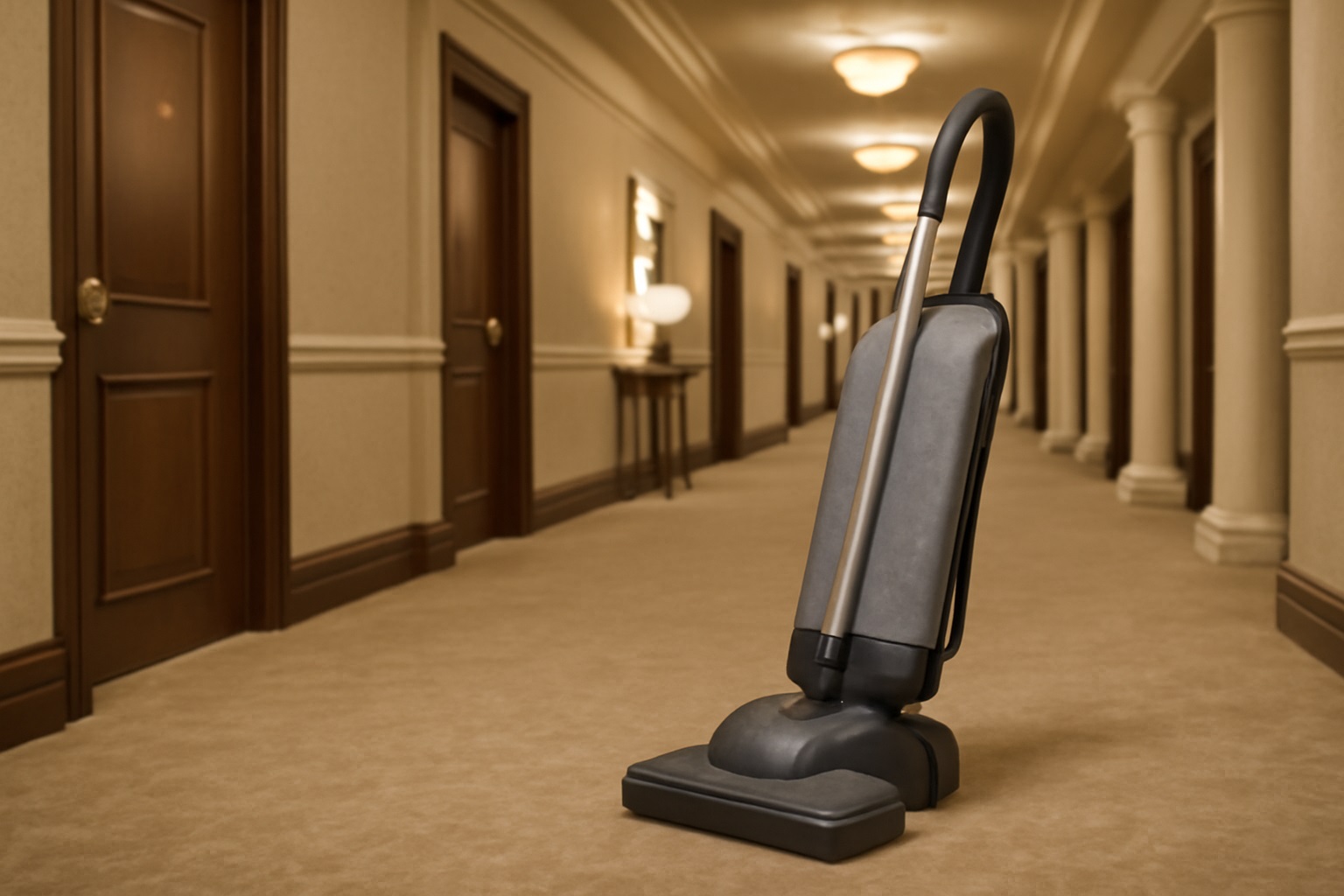
1. Introduction: The Challenge of Hotel Cleaning 🏨
Maintaining cleanliness in large hotels is a monumental task. With thousands of guests coming in and out every day, hotel rooms, hallways, lobbies, and dining areas require frequent cleaning to ensure a pleasant and hygienic environment. The task becomes even more challenging for large hotels with multiple floors, various types of flooring, and high-traffic areas. Inadequate cleaning equipment can lead to inefficiencies, extended cleaning times, and subpar results, ultimately affecting guest satisfaction.
In this case study, we explore how a large hotel chain upgraded its cleaning operations by switching to commercial vacuums, improving both the efficiency of their cleaning teams and the quality of their guest experience.
2. Identifying the Problem: Inefficiencies with Traditional Cleaning Methods 🔍
Before upgrading to commercial vacuum cleaners, the hotel faced several cleaning challenges:
Time-Consuming Cleaning: Housekeeping staff used household vacuum cleaners, which were not built for heavy-duty use. These vacuums took longer to clean large areas due to their limited suction power and small dust capacity.
Inconsistent Cleaning Quality: Household vacuums often failed to capture fine dust particles, allergens, and debris, particularly in high-traffic areas such as hotel lobbies, hallways, and public restrooms.
Frequent Equipment Malfunctions: The hotel’s reliance on household vacuums led to frequent breakdowns due to their inability to withstand heavy use in a commercial setting. This resulted in increased maintenance costs and more frequent replacements.
Lack of Energy Efficiency: The older vacuum models consumed large amounts of electricity, contributing to high energy costs and reducing the hotel's sustainability efforts.
Given these challenges, the hotel management decided to invest in commercial vacuums to address these issues and boost overall cleaning efficiency.
3. The Solution: Transitioning to Commercial Vacuum Cleaners 💡
The hotel chain upgraded its cleaning equipment by switching to commercial vacuum cleaners, focusing on models that offered high suction power, energy efficiency, and versatility for various cleaning tasks. The new equipment included upright vacuum cleaners, wet and dry vacuums, and energy-saving efficient vacuums. Here's how each feature helped improve cleaning operations:
A. High Suction Power and Larger Dust Capacity 🌀
Commercial vacuums, such as upright models and large-capacity wet-dry vacuums, offered significantly more suction power than household vacuums. This increased suction power allowed cleaning staff to pick up dirt, debris, and dust faster and more efficiently, reducing cleaning times across the hotel.
Example: The hotel’s housekeeping team reported a 30% reduction in cleaning time in large guest room floors and high-traffic areas like lobbies and corridors. The larger dust containers of commercial vacuums also reduced the frequency of emptying, allowing cleaning staff to focus on cleaning instead of stopping to empty dustbins.
B. Versatility with Wet and Dry Vacuum Cleaners 💧
Wet and dry vacuums are ideal for cleaning up both liquid spills and dry debris, especially in areas like hotel kitchens, restrooms, and dining areas. These vacuums allowed the hotel to address a variety of messes, from liquid spills to food crumbs, in one go.
Example: In the hotel's dining area and kitchen, wet and dry vacuums were used to clean up food debris and spilled liquids, maintaining cleanliness and safety while reducing the risk of accidents.
C. Energy-Saving, Efficient, and Powerful Vacuum Cleaners ⚡
The hotel invested in energy-saving vacuums with powerful motors and efficient filtration systems. These vacuums reduced electricity consumption while maintaining high suction power, making them both environmentally friendly and cost-effective.
Example: By upgrading to energy-efficient vacuums, the hotel reduced its electricity costs by 20% annually, aligning with its sustainability goals while maintaining the same high level of cleaning efficiency.
D. Quiet Operation and Minimal Disruption 🔇
With commercial vacuum cleaners that operate quietly, housekeeping staff could clean without disturbing hotel guests, especially in areas like guest rooms and hallways. This is crucial for maintaining a quiet and peaceful environment in a hotel, particularly during peak guest hours.
Example: Housekeeping staff used quieter vacuums in the guest room corridors to clean without disturbing guests, improving guest satisfaction and reducing noise complaints.
4. Benefits Realized by the Hotel Post-Upgrades 🌟
After transitioning to commercial vacuum cleaners, the hotel experienced several key improvements in its cleaning operations:
A. Increased Cleaning Efficiency and Reduced Labor Costs ⏱️
With more powerful and efficient vacuums, cleaning teams were able to clean larger areas in less time. This led to increased productivity, allowing the staff to maintain cleanliness throughout the hotel without adding extra hours of labor.
Example: The hotel reduced total cleaning time by 25%, which allowed housekeeping staff to clean more rooms and areas per shift, optimizing staff efficiency.
B. Enhanced Guest Experience 😊
Guests noticed a cleaner environment, especially in high-traffic areas like the lobby, hallways, and restrooms. The faster cleaning time and superior results created a more pleasant atmosphere for guests, leading to higher satisfaction rates and more positive reviews.
Example: The hotel saw a 15% increase in guest satisfaction ratings, especially regarding cleanliness, following the implementation of the new vacuum systems.
C. Reduced Maintenance and Downtime 🔧
Commercial vacuum cleaners are designed for heavy-duty use and require less maintenance than household vacuums. The hotel’s new vacuums lasted longer and operated more reliably, reducing repair costs and downtime.
Example: With fewer breakdowns and less frequent maintenance, the hotel saved $5,000 annually on vacuum repairs and replacements.
D. Improved Health and Hygiene 🧼
Commercial vacuums with advanced filtration systems, such as HEPA filters, helped improve air quality and reduce allergens in the hotel, creating a healthier environment for both guests and staff.
Example: The new vacuum filters helped the hotel improve air quality in public spaces, reducing the risk of respiratory issues and improving guest comfort.
5. Conclusion: The Impact of Commercial Vacuums on Hotel Operations ✅
The transition to commercial vacuum cleaners significantly improved the hotel’s cleaning efficiency, guest satisfaction, and overall operational performance. By choosing the right equipment, the hotel was able to tackle large cleaning tasks more effectively, reduce energy consumption, and enhance the guest experience.
Commercial vacuum cleaners, including upright models, wet and dry vacuums, and energy-efficient vacuums, proved to be a valuable investment for the hotel, allowing it to maintain high cleanliness standards while also optimizing cleaning operations.
Hotels and other large hospitality venues should consider upgrading to commercial-grade vacuums to achieve similar benefits, improving their cleaning performance and ultimately enhancing the customer experience.
Hashtags:
Upright Vacuum Cleaners, Household Vacuum Cleaners, Commercial Vacuum, Hotel Cleaning, Energy-Saving Efficient Powerful Vacuum Cleaner, Wet and Dry Vacuum Cleaner, Vacuum for Hotels, Vacuum for High-Traffic Areas, Efficient Hotel Cleaning, Vacuum Solutions for Hotels, Lanxstar.