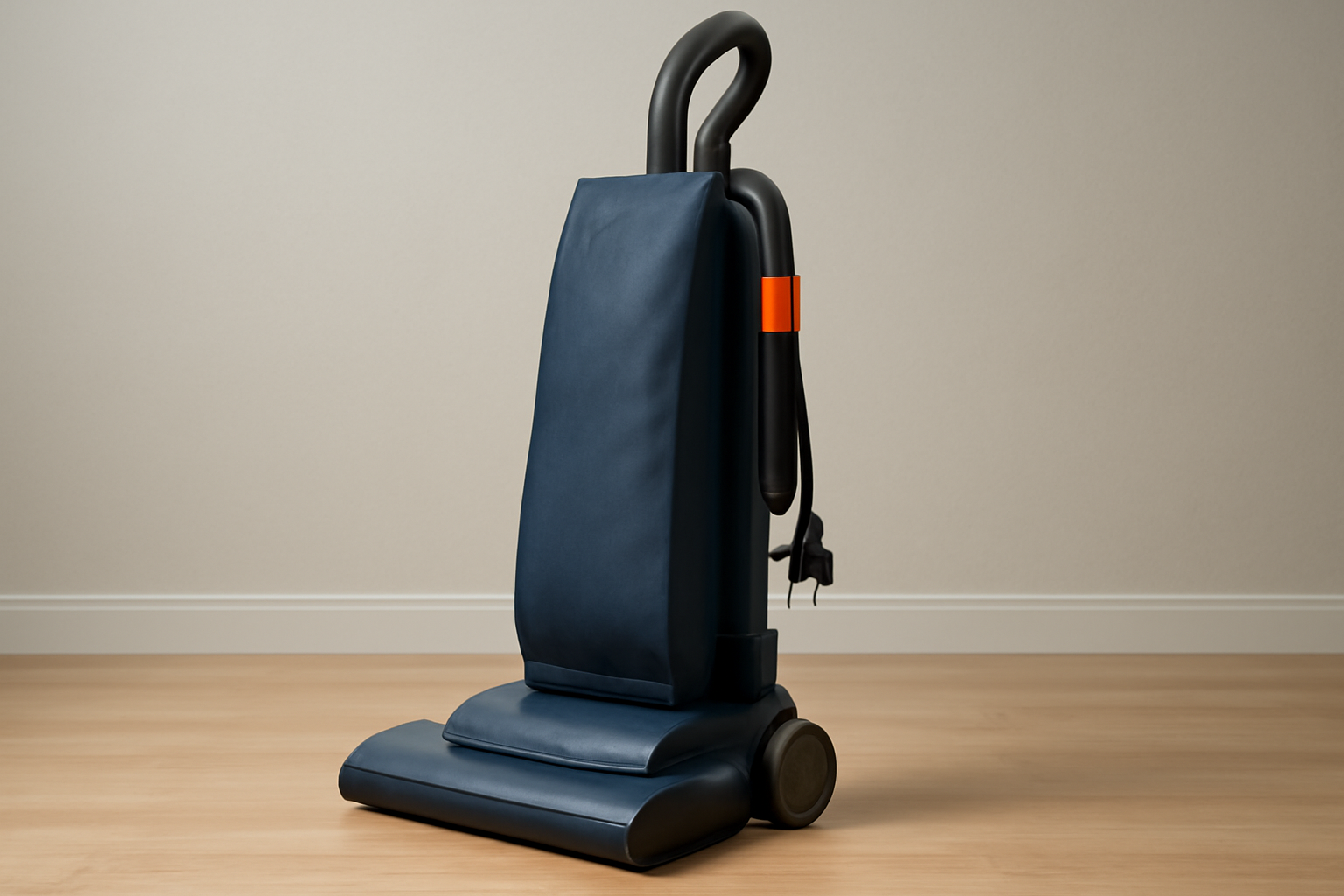
Every vacuum engineer knows this painful truth:
“We don't ship perfect products.
We ship compromises.”
Some compromises are fine.
But some are catastrophic — the type that returns 10–30% of Upright Vacuum Cleaners or Household Vacuum Cleaners in EU and US markets, destroys distributor trust, and forces factories to issue silent recalls.
Most brands think failures come from the battery, motor, or PCB.
Wrong.
The deadliest design flaws are hidden inside the structure — where users never look, and where 90% of factories still underestimate engineering complexity.
This article exposes the 7 design flaws that quietly sabotage performance, durability, and customer satisfaction, even in premium models.
🧱💨 1. The “Choked Air Path” Problem: When Designers Copy Hand Sketches Instead of Calculating Flow Dynamics
Many vacuums look beautiful in CAD.
But internally?
The airflow is suffocating.
Typical reasons:
This leads to:
This is why even a Fast Lightweight Vacuum Cleaner can feel underpowered despite a good motor.
Factories must stop relying on “gut-feel geometry” and adopt:
Otherwise, airflow loss can hit 25–40% before the first user even opens the box.
🔧🔩 2. Brushroll + Floor Head = The Most Under-Engineered Part of the Entire Vacuum
The floor head is where:
dust enters
torque is consumed
friction happens
hair wraps
noise emerges
heat accumulates
Yet many factories still treat it as:
“Just a plastic housing with a spinning brush.”
No.
The floor head is the mechanical heart of a vacuum.
Failures here cause more returns than motors, batteries, or PCBs combined.
The biggest flaws include:
roller bearings not sealed
weak torque transmission
improper pitch angles for debris pickup
carpet agitation too weak
hardwood friction too high
brushroll channels too narrow
If a vacuum cannot maintain stable torque, even the best Cordless Vacuum Cleaner will fail in real homes.
🪝🌀 3. Cyclone Chambers Designed for Looks, Not Physics
Most cyclones are designed for three reasons:
They look premium
They match competitors
They fit the mold layout
Very few are designed for:
dust separation efficiency
sustained airflow stability
particle spin velocity
vortex strength
static pressure resistance
Poor cyclone design causes:
suction drop after 30 seconds
fine dust blocking the HEPA prematurely
particles re-entering the air stream
dust sticking to chamber walls
This flaw destroys performance in Vacuum Cleaner for Hardwood Floors scenarios, where fine dust dominates.
🔧⚙️ 4. Manufacturing Tolerance Drift: The Silent Killer Behind Noise and Suction Variability
Engineering says:
“Tolerance: ±0.2 mm”
Manufacturing says:
“We try our best.”
Reality says:
“Half of the parts are outside spec.”
Examples:
small gaps cause massive air leakage
axle misalignment increases torque load
loose HEPA seals cause noise drift
misaligned ducts accelerate dust accumulation
Even a good budget vacuum cleaner becomes unreliable if tolerance drift exceeds 0.3 mm in key areas.
Engineers cry because:
Factories must adopt:
Otherwise, every production batch behaves differently.
🔩🔥 5. Heat Management Is Treated as an Afterthought — Until Motors Start Dying
Heat is the enemy of:
suction
battery life
motor longevity
PCB integrity
plastic stability
Yet most vacuums rely on:
This creates:
“Thermal Cascade Failure”
→ motor heats
→ seals soften
→ airflow leaks
→ suction drops
→ user increases power mode
→ battery heats
→ PCB overheats
→ parts degrade
→ vacuum dies early
If heat management is not engineered holistically, runtime claims mean nothing.
🔄🔌 6. Mode Switching Logic Built Without Real-World Use Cases
Customers switch modes constantly:
low → high
carpet → floor
turbo → eco
handheld → stick mode
Cheap firmware creates:
Mode transition should feel like:
smartphone navigation
seamless
instant
confidence-building
If it feels hesitant even once, buyers believe:
“This product is unreliable.”
That translates directly into returns.
🧫⚡ 7. The Dust Leakage Problem: Microscopic Leaks That Ruin Everything
Many factories think dust leakage = large gaps.
Incorrect.
The true killers are the micro-leaks around:
HEPA edges
bin-to-body seals
duct connections
cyclone bottom plates
motor housing seams
brush head joints
1 mm leak = airflow chaos.
Consequences:
suction becomes inconsistent
dust enters motor housing
lifetime shortens
noise pitch changes
user confidence collapses
EU/US distributors return thousands of units over these “invisible defects.”
🧠📈 Why These 7 Flaws Are More Dangerous than Motor or Battery Specs
Consumers might not understand engineering,
but they feel performance degradation instantly.
Symptoms they report:
“suction weaker”
“noise changed”
“overheating”
“vibration increased”
“brush stopped working”
But the real causes are structural, not electronic.
Any brand entering Europe, the US, or GCC must understand:
✔ Structural engineering dominates long-term quality
✔ Noise + airflow stability determine perceived value
✔ Micro-tolerances define whether users trust the vacuum
Motor wattage, suction numbers, and glossy exterior designs cannot fix structural flaws.
🎯 Suitable For
Hashtags
#lanxstar #uprightvacuumcleaners #householdvacuumcleaners #fastlightweightvacuum #cordlessvacuumcleaner #goodbudgetvacuumcleaner #vacuumforhardwoodfloors #vacuumengineering #airflowdesign #cyclonetech #brushrolltechnology #thermaldissipation #noisecontrol #engineeringfailures #oemodm #chinavacuumfactory #productdevelopment #industrialdesign #qcmanagement #manufacturingengineering #dustmanagement #filterengineering #vacuumindustry #suctionperformance #rdengineering #floorcaretech #cleaningdevices #smartcleaning #durabledesign #productquality #marketinsights #homeappliances #engineeringinsights #globalbuyers #failureanalysis #mechanicaldesign #moldengineering #plasticcomponents #motorengineering #pcbdesign #heatmanagement #cycloneengineering #valuevacuum #premiumvacuum #budgetvacuum #vacuumperformance #cleanhome #floorcare











