Why Is Data Analytics Critical for Predicting the Future of the Vacuum Cleaner Industry?
Why Is Data Analytics Critical for Predicting the Future of the Vacuum Cleaner Industry?-A6
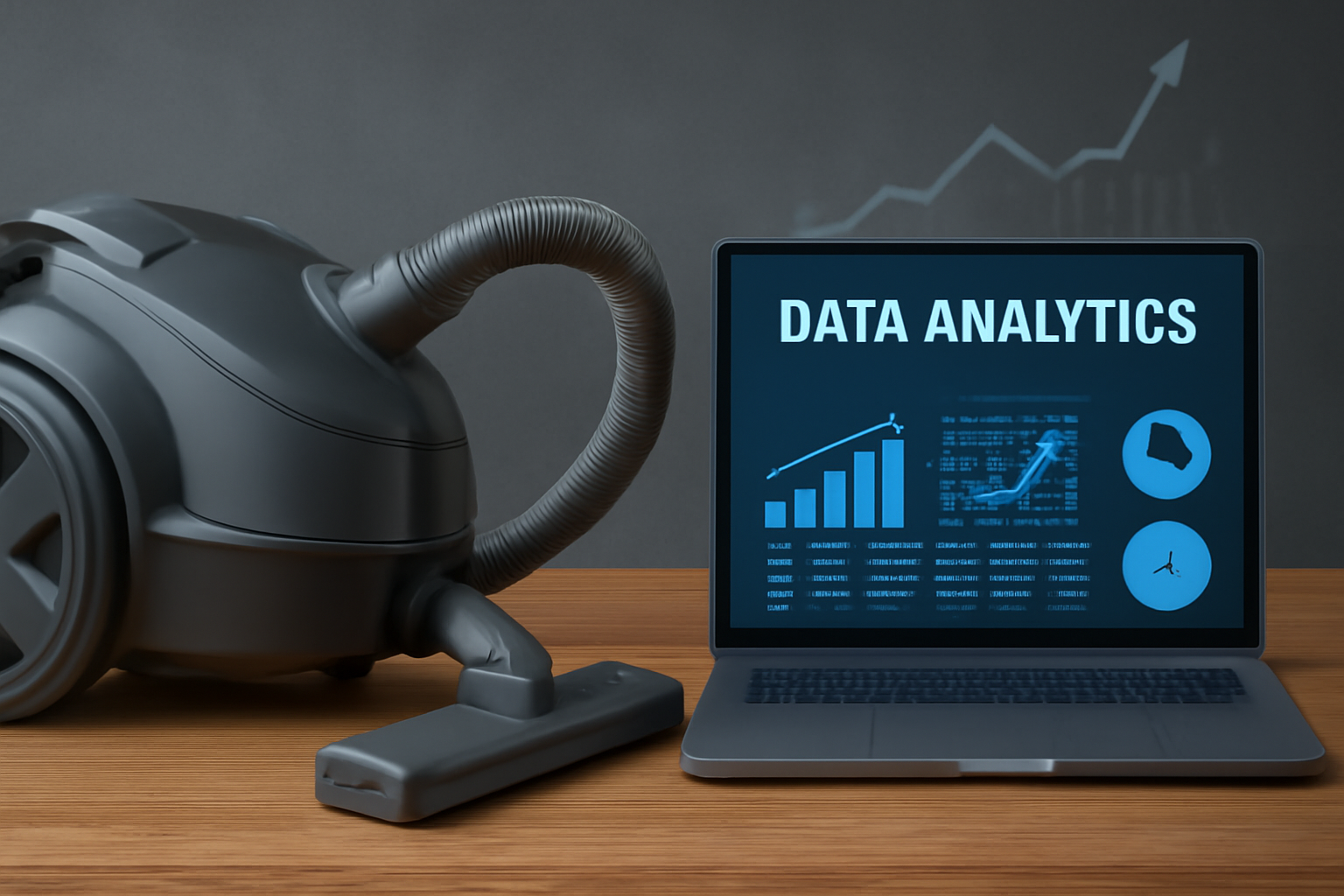
In the rapidly evolving vacuum cleaner industry, staying ahead of market trends and consumer demands is essential for success. With the increasing availability of data and advancements in technology, businesses can now leverage data analytics to make more informed decisions and predict future trends. In this article, we explore why data analytics is crucial for shaping the future of the industry and how it can help companies stay competitive.
One of the primary ways data analytics is transforming the vacuum cleaner industry is by enabling businesses to track and analyze consumer behavior. By collecting data on customer preferences, buying habits, and feedback, companies gain valuable insights into which features are most important to consumers. For instance, analytics might reveal that energy-saving features or versatility are top priorities for customers, prompting businesses to focus on these aspects when developing new products. This data-driven approach ensures that companies remain responsive to changing consumer needs. For more insights into consumer behavior, visit Harvard Business Review.
Data analytics also plays a significant role in predicting demand. By analyzing historical sales data, companies can forecast demand for specific products and features, helping them optimize production schedules and inventory. For example, if sales data shows an increase in demand for high-performance models during certain months, businesses can adjust their production accordingly to meet that demand. Learn more about demand forecasting and inventory management strategies from Forbes.
In addition to tracking consumer behavior and predicting demand, data analytics helps monitor product performance. By gathering feedback and analyzing usage patterns, businesses can identify early signs of product issues or areas that need improvement. For instance, if data reveals that a particular model is receiving customer complaints about reliability, companies can make adjustments before issues escalate. This proactive approach helps improve product quality and customer satisfaction, reducing the chances of negative reviews.
Data analytics also enables businesses to stay ahead of emerging market trends. For example, the rise of connected devices and smart technology is influencing consumer preferences for vacuum cleaners that integrate with home automation systems. By analyzing industry data, companies can adapt to these changes by incorporating smart features into their products. This positions them well in a market that increasingly values connectivity and innovation.
Another significant benefit of data analytics is its ability to enhance marketing efforts. By analyzing customer demographics, interests, and purchasing behavior, businesses can create more targeted and personalized marketing campaigns. For instance, if analytics reveal that certain groups are more likely to purchase a self-cleaning model, businesses can tailor their advertising to those customers, increasing engagement and conversion rates.
In conclusion, data analytics is a critical tool for predicting the future of the vacuum cleaner industry. By leveraging insights into consumer behavior, demand forecasting, product performance, and emerging trends, businesses can make more informed decisions and maintain a competitive edge. As the industry continues to evolve, embracing data analytics will be essential for companies looking to succeed in a data-driven world, particularly in the development of the vacuum cleaner.
For more information on data analytics in the vacuum cleaner industry, visit Statista.
For more information, visit www.lxvacuum.com.











