Navigating New Global Safety Regulations in the Vacuum Cleaner Industry: Compliance Strategies
This article discusses compliance strategies for new global safety regulations in the vacuum cleaner industry, covering electrical, chemical, and labeling standards.
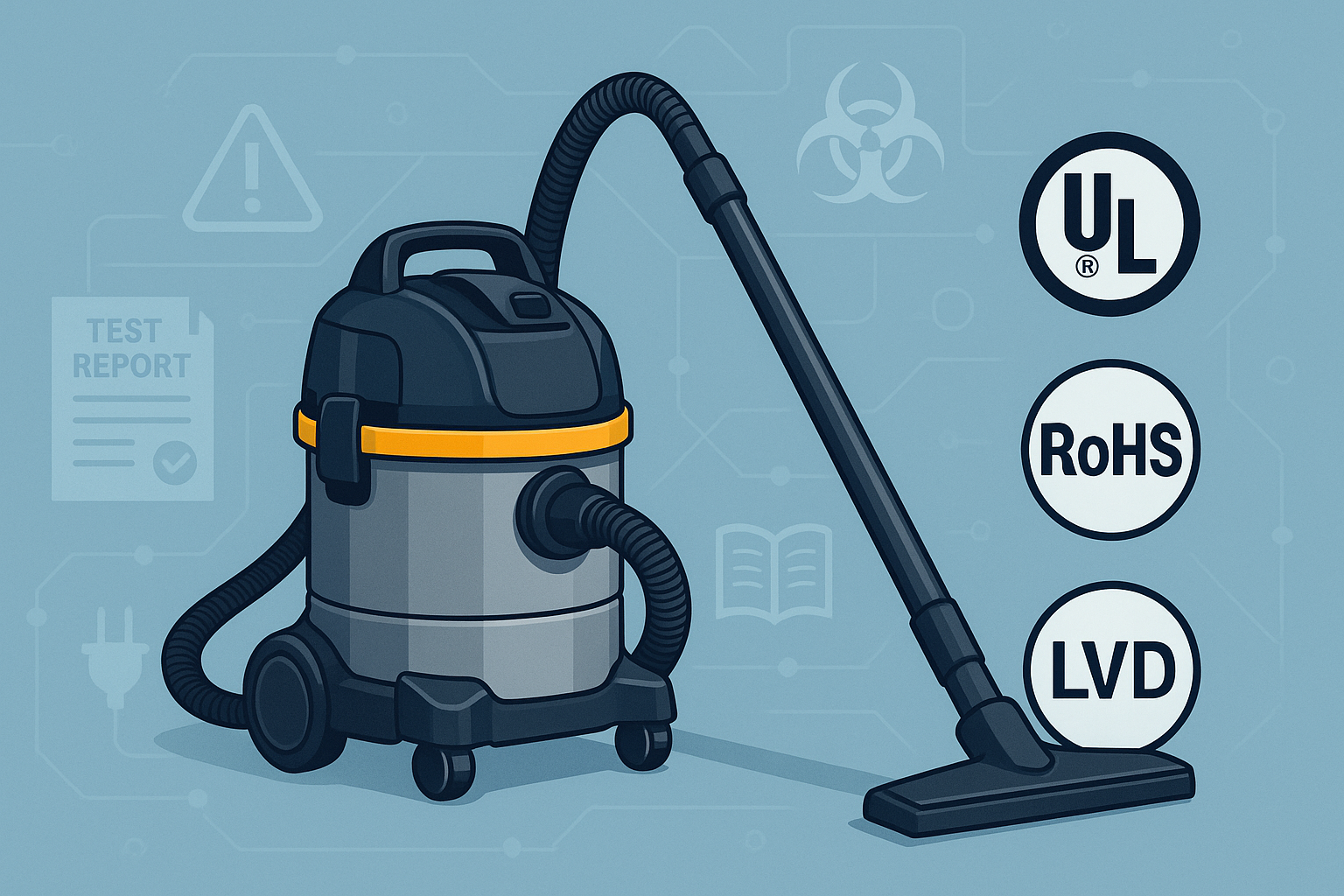 The vacuum cleaner industry is experiencing rapid regulatory evolution worldwide, as governments and agencies introduce stricter safety standards to ensure consumer protection and product reliability. Manufacturers and exporters targeting the U.S. and global markets must understand these changes and develop robust compliance strategies to stay ahead.
A critical area is electrical safety. For example, the Underwriters Laboratories (UL) certification is mandatory for most electrical appliances entering the U.S. market, covering wiring, insulation, and overall product safety. Europe enforces the Low Voltage Directive (LVD), which demands rigorous documentation and periodic audits.
Another major trend is chemical and materials regulation, such as the Restriction of Hazardous Substances (RoHS) Directive in the EU, which limits the use of specific toxic materials. Manufacturers must validate their supply chains and keep detailed records to prove compliance. Non-compliance can result in costly recalls and loss of market access.
Importantly, the requirements now extend beyond basic safety. Modern regulations emphasize clear consumer communication, such as labeling features like suction power filtration weight noise attachments runtime corded cordless portability wet dry vacuum cleaner for transparency. Companies that integrate safety and compliance into their design and documentation process can not only reduce risk, but also gain a competitive edge in international trade.
For additional resources, staying connected with global regulatory updates and industry associations is essential.
For more guidance and solutions, visit www.lxvacuum.com.











