This article summarizes the key performance indicators (KPIs) for evaluating the quality of commercial vacuum cleaners, covering suction power, filtration, durability, and maintenance costs.
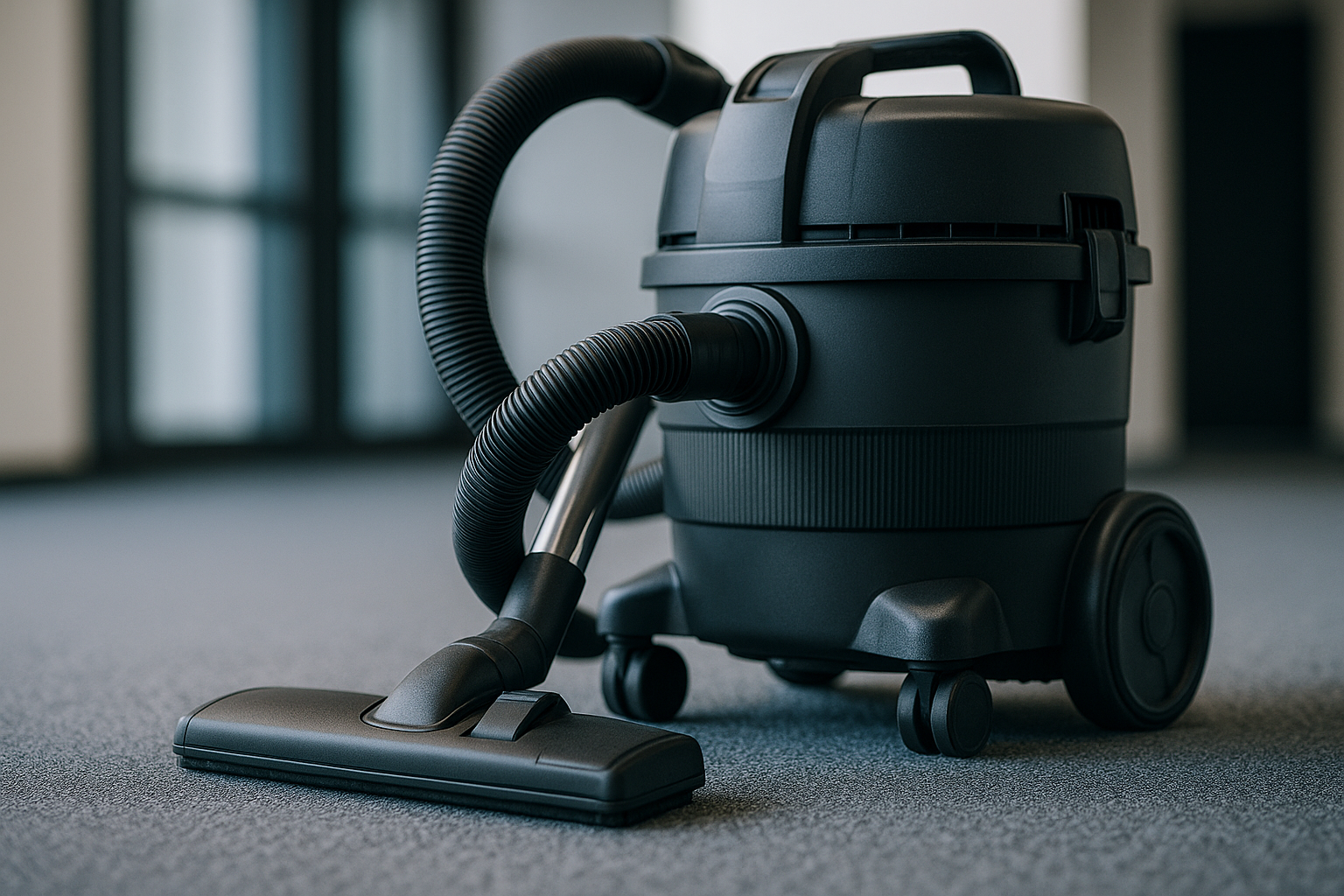 Selecting the right commercial vacuum cleaner involves more than just comparing prices or popular brands. U.S. businesses—whether they’re in hospitality, janitorial services, or retail—must focus on specific key performance indicators (KPIs) to ensure reliability, efficiency, and compliance with industry expectations.
The first and most fundamental KPI is suction power. According to Consumer Reports’ vacuum buying guide, robust suction is essential for effective cleaning, especially on high-traffic commercial floors. Performance should also be measured by filtration systems, with HEPA-certified filters being the industry gold standard for trapping dust and allergens.
Another important KPI is overall build quality. The International Sanitary Supply Association (ISSA) recommends assessing materials, structural integrity, and long-term durability. Key features like noise reduction, attachments versatility, and runtime—whether corded or cordless—can significantly impact productivity and user comfort in demanding environments.
A third KPI to consider is maintenance cost and serviceability. Industry insights from Facility Executive Magazine highlight the value of easy-to-access parts and clear service instructions, ensuring minimal downtime and extending product life. When analyzing specifications, pay special attention to factors like weight, portability, and whether it is a wet dry vacuum cleaner, as these features directly impact usage scenarios and operational flexibility.
By establishing a KPI-driven procurement process, companies can make data-backed decisions that reduce total cost of ownership and improve cleaning outcomes.
For additional expert insights and solutions, visit www.lxvacuum.com.











