Hi, message us with any questions.
We're happy to help!





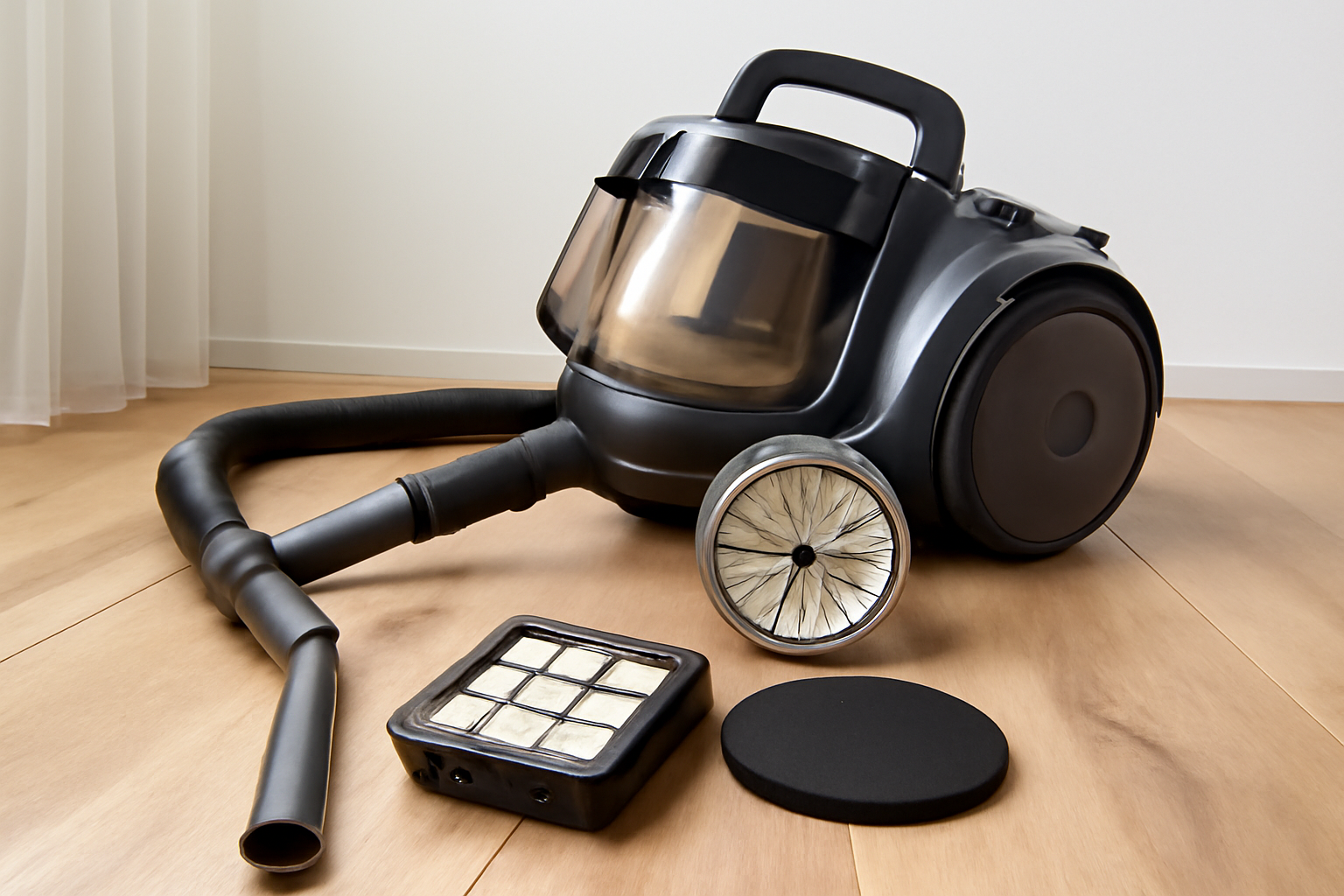
🌀 How to Clean and Maintain Vacuum Cleaner Filters: A Complete Guide for Longevity and Performance 🌍
Keeping your vacuum cleaner at peak performance is not just about emptying the dust bin — it’s about understanding, cleaning, and maintaining the filter system. Whether you’re managing vacuums procurement for a large cleaning association or handling vacuum cleaner distribution across Europe and the Middle East, filter maintenance plays a decisive role in suction efficiency, air quality, and product lifespan.
In this guide, we’ll uncover how to properly clean and maintain vacuum cleaner filters, exploring practical techniques, engineering insights, and lesser-known pro tips used by R&D professionals in the global cleaning equipment industry.
🔧 1. Understanding the Role of a Vacuum Filter
A vacuum cleaner’s filter is not a decorative accessory—it’s the core component responsible for air purification and suction consistency. Modern vacuum systems typically feature a multi-layer filtration process, including:
Pre-filter: Captures larger debris and dust.
HEPA filter: Removes 99.97% of particles as small as 0.3 microns.
Motor filter: Protects the motor from microscopic dust and prolongs lifespan.
💡 Engineering Insight:
Filters influence not only hygiene but also a vacuum’s aerodynamic efficiency. A clogged or saturated filter increases air resistance, resulting in suction drop, overheating, and even premature motor wear.
🧽 2. Why Cleaning Frequency Matters
One of the most overlooked maintenance steps is filter cleaning frequency.
For general home use, the filter should be cleaned once every 3–6 weeks.
However, for industrial or high-dust environments—like hotels, construction sites, or hospitals—filters may need to be serviced weekly.
| Usage Environment | Recommended Cleaning Frequency |
|---|---|
| Home (light dust) | Every 4–6 weeks |
| Commercial space | Every 2–3 weeks |
| Construction site | Weekly |
| Pet households | Every 2 weeks |
Neglecting this simple schedule can cause up to 40% loss in suction power, no matter how advanced your High Suction Vacuum Cleaner is.
⚙️ 3. Step-by-Step Filter Cleaning Process
Proper cleaning depends on the filter type. Below are procedures applicable to most household and commercial vacuum cleaners.
Step 1: Unplug and Disassemble
Always disconnect power before removing any part. Remove the dust bin or bag, then locate the filter compartment.
Step 2: Identify Filter Type
There are three major types:
Washable foam filters – can be rinsed under water.
HEPA filters – sometimes washable, but most are replace-only.
Cartridge filters – should be brushed gently.
Step 3: Pre-Clean
Tap the filter lightly over a trash bin to remove loose debris. Avoid using sharp objects, as they may puncture the delicate filter membrane.
Step 4: Deep Clean
For washable filters, rinse under lukewarm water (not hot) until water runs clear. Do not use detergent unless the manufacturer recommends it.
Step 5: Dry Thoroughly
Allow the filter to air-dry for at least 24 hours. Moisture is the #1 cause of mold, motor corrosion, and reduced efficiency.
Step 6: Reassemble
Once dry, reinstall the filter, ensuring a tight seal to prevent air leakage.
🧠 4. Pro Tips from R&D Engineers
Professional engineers working on advanced vacuum systems, especially in Europe and the Middle East, emphasize these often-overlooked details:
Airflow Path Optimization: Even a small gap between the filter housing and seal ring can reduce suction efficiency by 10–15%.
Static Charge Control: In dry climates (like the Middle East), static buildup attracts fine dust to the filter — use anti-static coatings.
Vibration Damping: Filters vibrate during operation. Advanced models like Quiet Vacuum Cleaner units use silicone mounts to absorb vibration, minimizing noise without compromising suction.
Smart Sensor Integration: Newer vacuums employ pressure sensors that detect airflow blockage, alerting users when filter maintenance is due.
🌿 5. Water vs. Dry Cleaning — Which Is Better?
💧 Wet Cleaning
Ideal for foam or mesh filters. It eliminates odor and trapped allergens.
Best for: Homes with pets or high humidity.
🌬️ Dry Cleaning
Recommended for non-washable HEPA filters or when time is limited.
Use compressed air at low pressure or a handheld brush.
Best for: Commercial cleaning teams with multiple units in rotation.
🔍 6. Common Mistakes to Avoid
Even professionals make these critical filter maintenance errors:
Using detergents on HEPA filters: It ruins the micro-fiber structure.
Not drying completely: Moisture clogs pores and leads to bacterial growth.
Forcing reinstallation: Damaged seals cause air leakage.
Ignoring filter replacement schedules: Most filters have a lifespan of 6–12 months.
🧰 7. How Filter Design Influences Performance
Vacuum performance isn’t only about motor wattage; filter architecture is equally vital.
| Filter Type | Filtration Level | Maintenance | Suction Impact |
|---|---|---|---|
| Foam | Basic | Washable | Moderate |
| HEPA | Advanced | Replaceable | High |
| Cyclonic | Dynamic airflow separation | Rinse & dry | Very High |
In High Suction Vacuum Cleaner designs, engineers use dual-stage cyclonic filters that pre-separate dust before it reaches the HEPA stage — reducing clogging frequency by 40%.
🧼 8. Professional Maintenance Routine
For large facilities or cleaning companies, creating a filter maintenance log can prevent operational downtime.
Recommended routine:
Weekly inspection of airflow output.
Bi-weekly filter pre-cleaning.
Monthly deep-cleaning rotation.
Quarterly replacement or upgrade review.
Tools used by professionals include:
Compressed air blowers
Microfiber brushes
UV sterilizers (for hospital vacuums)
🔬 9. Innovation in Filter Technology
Recent developments in vacuum cleaner filters highlight nanofiber layering and self-cleaning coatings.
Electrostatic nanofibers: Capture ultra-fine dust without increasing resistance.
Hydrophobic membranes: Prevent moisture retention in humid regions.
Self-regenerating filters: Reverse airflow technology clears internal dust automatically.
Brands like Lanxstar have pioneered hybrid filtration systems that adapt to environmental humidity, ensuring stable suction in desert climates while maintaining quiet operation.
🌍 10. Practical Solutions for Different Regions
🇪🇺 Europe:
Consumers prioritize energy efficiency and low noise. The Quiet Vacuum Cleaner segment dominates, with washable filters and anti-allergy features being standard.
🇸🇦 Middle East:
Dust density and high temperature require filters with enhanced airflow capacity and heat-resistant materials. Reusable foam or dual-layer HEPA filters are preferred.
🇺🇸 North America:
Focus is on pet-hair filtration, high suction power, and sustainability. Users favor Vacuum Cleaner for Pet Hair models with easy-to-clean HEPA cartridges.
🧩 11. When to Replace the Filter
Even with meticulous maintenance, filters lose efficiency over time.
Replacement signals:
Noticeable suction loss despite cleaning.
Burning smell from the motor.
Discoloration or brittle texture.
Increased noise due to airflow imbalance.
A rule of thumb:
Replace filters every 6–12 months, depending on usage frequency and environment.
🛠️ 12. Final Maintenance Checklist
✅ Clean pre-filters regularly.
✅ Replace HEPA filters annually.
✅ Dry filters completely before reinstallation.
✅ Maintain an airflow test log.
✅ Use genuine replacement parts to avoid airflow mismatch.
With consistent upkeep, your vacuum cleaner will maintain optimal suction, longevity, and quiet operation — protecting both your investment and your environment.
✨ Conclusion
Maintaining your vacuum cleaner filter is not a trivial chore—it’s a strategic maintenance step that impacts hygiene, performance, and product life.
Whether you are involved in vacuums procurement, engaged in vacuum cleaner distribution, or developing next-generation systems, a clean filter remains the foundation of every efficient cleaning device.
Through smart maintenance routines, proper washing techniques, and awareness of advanced filter technology, both end-users and engineers can ensure reliable, quiet, and high-suction performance for years to come.
🏷️ Hashtags
#VacuumCleanerForPetHair #HEPAFilterVacuumCleaner #Lanxstar #VacuumFilterMaintenance #VacuumCleaningTips #HighSuctionVacuumCleaner #QuietVacuumCleaner #VacuumParts #FilterReplacement #HEPAFilterCare #CyclonicVacuum #VacuumTechnology #DustSeparationSystem #VacuumCleaningIndustry #HouseholdAppliances #CommercialVacuum #IndustrialVacuum #FilterSystemDesign #AirflowOptimization #CleaningEquipment #FilterInnovation #SmartVacuumSensors #EcoVacuumDesign #VacuumSuctionPower #FilterCleaningGuide #VacuumMotorProtection #QuietCleaningTech #DustControlSolutions #VacuumCleanerDistribution #VacuumsProcurement #RDEngineering #VacuumNoiseReduction #HEPAStandards #VacuumFilterTypes #SustainableVacuum #EnergyEfficientVacuum #VacuumForAllergies #HomeCleaningDevices #PetHairSolutions #VacuumEngineering #LanxstarVacuum #VacuumPerformanceTesting #VacuumMaintenanceSchedule #FilterRinsingTips #VacuumAirflowDesign #CleaningProfessionals #SmartHomeVacuum #FilterDurability #VacuumCareRoutine #VacuumInnovation2025