Hi, message us with any questions.
We're happy to help!





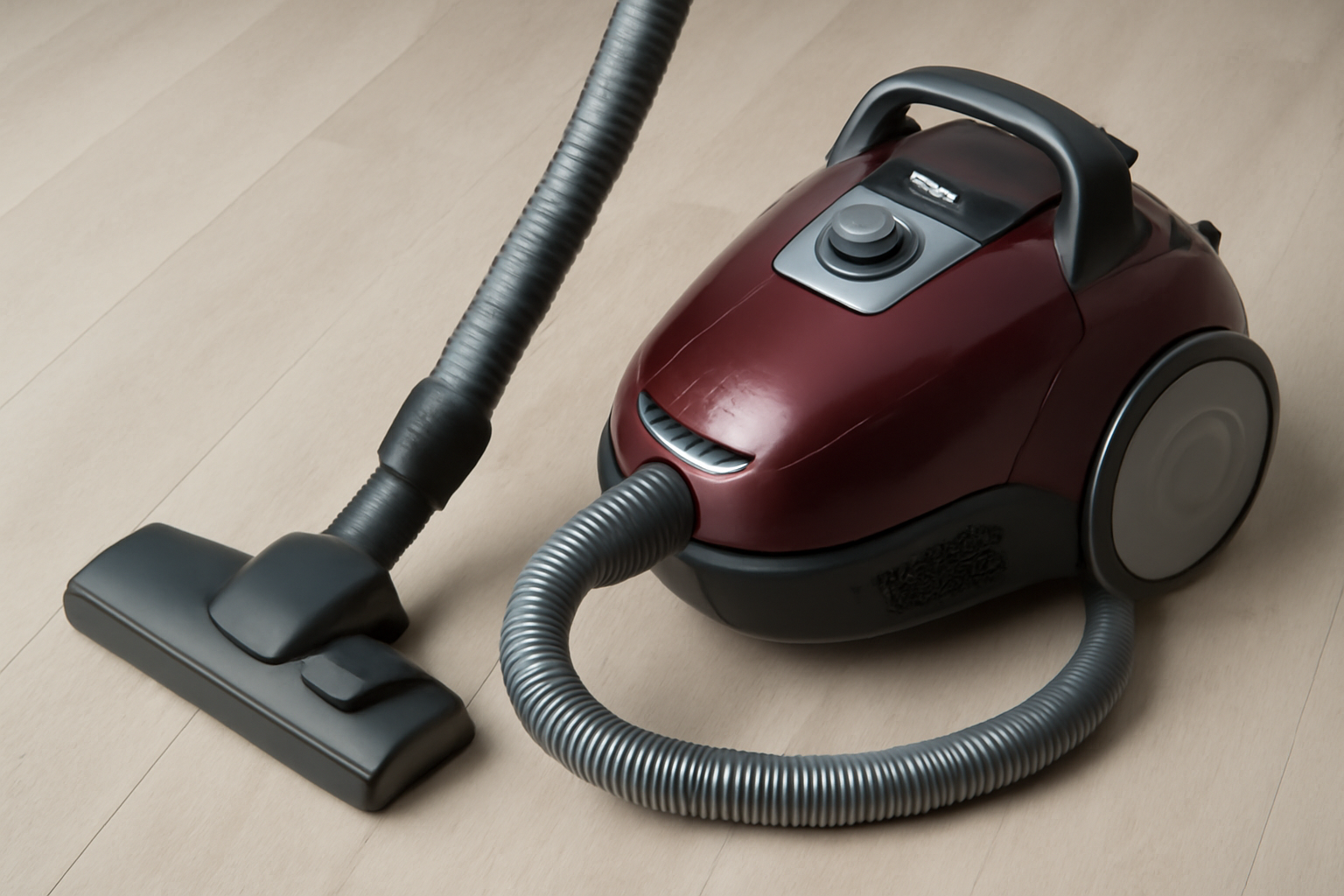
Every year, thousands of vacuum cleaner manufacturers and engineers from China visit U.S. trade shows, meet American distributors, and study local user behavior. And every year, they return home with the same reaction:
(How on earth are Americans using vacuums like this?!)
The U.S. cleaning culture is full of unusual habits, unconventional expectations, and high-stress usage scenarios that most Asian engineering teams never design for. But here’s the twist:
These “weird” American behaviors are not problems.
They are billion-dollar product opportunities.
If you’re a procurement manager, importer, distributor, or engineer from Europe or the Middle East, understanding these behaviors will help you design better SKUs, reduce warranty costs, and dominate your market segment.
Let’s break down the 7 strangest American cleaning habits, why they shock Chinese factories, and what this means for future product development—especially in categories like Household Vacuum Cleaners, Wet Dry Vacuum Cleaners, Wet and Dry Vacuum Cleaner hybrids, and compact Apartment Vacuum Cleaner designs.
🦅 1. Americans Use Vacuums for Everything — Floors, Cars, Beds, Pets, Even Ducts
American households routinely use one vacuum for:
carpets
hardwood floors
sofas
car interiors
pet hair
patio dust
fireplaces
air vents
mattresses
Chinese R&D teams are often stunned because in Asian markets, usage is more category-specific.
Implications for product design:
U.S. buyers need multi-surface Multi-Task units
Motors must handle high debris load
Heating tolerance is critical
Brush accessories must be durable
Suction must remain stable across long sessions
Wet Dry Vacuum Cleaners sell better due to higher versatility
For distributors, this means:
Your best-selling units won’t be simple cleaners — but hybrid multi-use platforms.
🏠 2. American Homes Are Huge — and Expect Vacuums to Survive “Marathon Cleaning”
The average U.S. home is 2.5–3× larger than a typical Asian or EU apartment.
This means cleaning sessions often last:
20–40 minutes
sometimes 60–90 minutes for deep-clean days
For Chinese factories used to designing products for smaller spaces, this usage intensity is shocking.
What this means:
longer duty cycles required
motors must sustain longer RPM loads
heat dissipation becomes a priority
airflow channels must remain stable when dust bin fills
Wet and Dry Vacuum Cleaner models must maintain suction even with heavier floor contamination
Many Chinese factories are still building motors for short-cycle usage.
American users push vacuums to their limits — every week.
🐶 3. Pet Hair… Everywhere. All the Time.
Over 68% of U.S. households have pets, and a large share own dogs with heavy shedding.
For vacuum manufacturers, this is a nightmare:
hair wraps around brushes
clogs cyclone chambers
blocks airflow
reduces suction
overheats motors
burns PCB boards
Chinese suppliers often underestimate pet hair's impact on motor efficiency and fail to design hair-resistant systems.
High-demand U.S. requirements:
tangle-free brushrolls
removable brush bars
large cyclone chambers
self-cleaning filters
real HEPA-level filtration
stronger air-path turbulence design
Pet households directly drive the rapid growth of advanced Household Vacuum Cleaners in the U.S.
🧽 4. Americans Use Vacuums as “Wet Cleaners” — Even When They Shouldn’t
This always shocks Chinese engineers:
Americans often vacuum:
small spills
wet debris
mud
melted ice
damp pet hair
bathroom moisture
Even with models that aren’t designed for wet cleaning.
This is one reason U.S. distributors increasingly prefer Wet Dry Vacuum Cleaners — because consumers naturally cross the line between wet & dry usage.
Design takeaway:
If your SKU cannot handle minor moisture, your return rate will spike.
🏡 5. Many Americans Clean Their Garages and Basements With Household Vacuums
Chinese factories often assume household cleaners are used strictly indoors.
But in America?
garages
attics
storage rooms
basements
porches
workshops
These environments contain:
heavy dust
sawdust
sand
gravel
small screws
construction debris
This is why U.S. buyers ask for:
metal extension tubes
reinforced hoses
heavy-duty brush heads
large debris tolerance
robust cyclone structures
Few Chinese suppliers design for this usage — causing unexpected product failures.
🚗 6. Americans Treat Their Vacuum as a “Car Detailing Tool”
Unlike Europe or the Middle East—where car cleaning is often a professional service—Americans are DIY-obsessed.
This leads to vacuums being used for:
car seats
dashboards
trunk dust
sand
food crumbs
pet transport mess
outdoor dirt
Portable models get overloaded quickly, which is why:
Battery durability + airflow stability = biggest opportunity in U.S. markets.
This also explains why mini Apartment Vacuum Cleaner units often fail faster in the U.S. — they’re used far beyond their intended scope.
🛠 7. Americans Expect Vacuums to “Clean Like Professional Tools” — Without Paying Professional Prices
Chinese suppliers often get shocked by U.S. user complaints like:
“Why can’t my vacuum pick up wet cereal?”
“Why does suction drop after 10 minutes?”
“Why won’t it clean my car as well as the car wash vacuum?”
“Why can’t it deep clean thick carpets like industrial machines?”
Because American consumers expect a $200 machine to perform like a $600–$800 professional extractor.
The performance gap creates a huge opportunity:
premium suction platforms
long-cycling motor systems
hybrid Wet and Dry Vacuum Cleaner units
high-torque floor heads
multi-surface brushrolls
This is why U.S. distributors constantly request:
“Industrial-level suction at consumer-level price.”
And surprisingly, ODM engineering teams can meet this demand — if guided correctly.
📦 What These Behaviors Mean for EU & Middle East Buyers
Even if you operate in Europe or the Middle East, understanding American habits will upgrade your competitive advantage.
Because these behaviors are spreading worldwide:
large homes → UAE, Saudi Arabia
car usage → Qatar, Kuwait
pet adoption → UK, Germany, France
workshop culture → Europe
hybrid cleaning → GCC + EU
Your future customers will begin expecting the same durability Americans expect.
This means:
stronger brushrolls
larger dust chambers
heat-resistant batteries
high-torque motors
robust airflow systems
multi-surface cleaning heads
This is your competitive roadmap.
🧭 Conclusion: The “Weird” Habits Are Not Problems — They Are Design Requirements
American cleaning habits shock Chinese factories because they're extreme, high-pressure, and unpredictable.
But for distributors and procurement teams across Europe and the Middle East, they are:
A forecast of global behavior
A guide to future product requirements
A blueprint for reducing failure rates
A map for creating higher-margin SKUs
Because the truth is:
The global vacuum cleaner industry will be led by companies that design for real-life behaviors — not laboratory conditions.
And American households expose those real conditions better than any market in the world.
Hashtags
#lanxstar #HouseholdVacuumCleaners #WetDryVacuumCleaners #ApartmentVacuumCleaner#WetAndDryVacuumCleaner #VacuumForPetOwners #CarDetailingVacuum #HeavyDutyVacuum
#CleaningIndustry2025 #MultiSurfaceVacuum #HighDurabilityVacuum #USCleaningHabits#VacuumEngineering #SuctionPerformance #DustManagementSystem #CycloneTechnology
#MotorHeatDissipation #VacuumForWorkshops #VacuumForGarages #PetHairSolutions#WetCleaningTools #ProfessionalCleaningPerformance #VacuumForLargeHomes
#SmartCleaningEquipment #ODMVacuum #OEMVacuum #PrivateLabelVacuum#VacuumForMiddleEast #VacuumForEurope #DistributorInsights #ProductEngineering
#HighTorqueBrushroll #LargeDebrisVacuum #CleaningEquipmentDesign#HouseholdDeepCleaning #FiltrationTechnology #HEPASystems #DurableVacuumDesign
#LongLifeVacuum #ConsumerBehaviorAnalysis #CleaningInnovation#SupplierEngineering #ExportVacuumSolutions #GlobalVacuumTrends#SmartHomeCleaning #MultiFunctionVacuum #ProductLocalization#HighPerformanceCleaners



