Hi, message us with any questions.
We're happy to help!





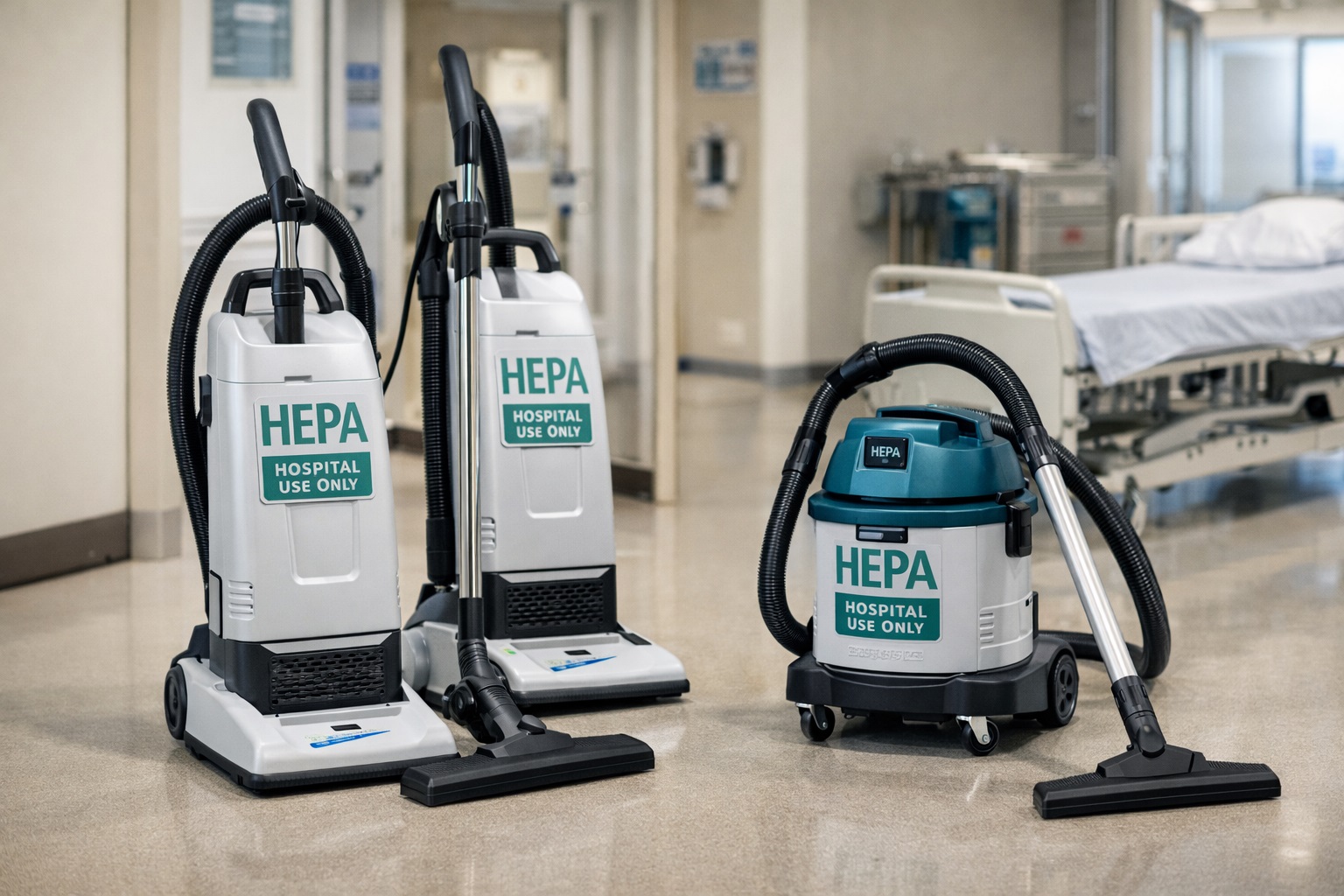
Hospitals are environments where cleanliness and infection control are of utmost importance. Cross-contamination—the spread of harmful bacteria, viruses, or particles from one area to another—can be a significant concern in healthcare facilities. HEPA vacuum cleaners play a crucial role in preventing cross-contamination by trapping harmful particles and preventing them from spreading to other areas. In this article, we will explore the importance of HEPA vacuum cleaners in maintaining sterile environments and preventing cross-contamination in hospitals.
1. What is Cross-Contamination and Why Is It a Concern in Hospitals?
Cross-contamination occurs when harmful microorganisms such as bacteria, viruses, or fungi are transferred from one surface, object, or person to another. In hospitals, this can happen through surfaces, equipment, air, or even the movement of individuals and cleaning materials. Cross-contamination is particularly concerning because it can lead to the spread of hospital-acquired infections (HAIs), which can be harmful or even deadly to patients, especially those with weakened immune systems.
Examples of cross-contamination in hospitals include:
Bacteria from dirty floors or surfaces being transferred to patients’ beds
Contaminated air or dust spreading to surgical areas
Pathogens transferring through medical equipment or staff clothing
To prevent these issues, hospitals need to utilize cleaning solutions that can effectively capture and contain harmful particles, reducing the risk of cross-contamination. HEPA vacuums are one such solution, offering the power of high-efficiency filtration to keep hospitals safe and sterile.
2. How HEPA Vacuum Cleaners Help Prevent Cross-Contamination
HEPA (High-Efficiency Particulate Air) filters are designed to capture 99.97% of particles as small as 0.3 microns, which includes bacteria, viruses, allergens, and dust. This powerful filtration system makes HEPA vacuum cleaners highly effective in preventing the spread of harmful particles in hospitals.
Here’s how HEPA vacuums help reduce cross-contamination risks:
Capture and Contain Harmful Particles
HEPA filters trap even the smallest particles, such as airborne bacteria and viruses, preventing them from being released back into the air during vacuuming. This is especially important in hospital settings, where airborne pathogens can spread rapidly and pose a significant health risk.
Prevent the Spread of Pathogens
By capturing harmful particles, HEPA vacuums stop pathogens from spreading from one room to another, preventing cross-contamination. For example, pathogens that may be present on the floor are contained within the vacuum and prevented from contaminating other hospital areas.
Ensure a Sterile Environment
A vacuum cleaner equipped with a HEPA filter helps maintain a sterile environment by cleaning and sanitizing hospital floors, surfaces, and upholstery. By removing dirt, dust, and pathogens, HEPA vacuums create a healthier and safer environment for both patients and healthcare staff.
Improve Air Quality
HEPA vacuums not only clean surfaces but also improve indoor air quality by removing airborne contaminants. With hospital-grade HEPA filtration, they trap dust and allergens, which can be a source of infection or allergic reactions in patients with sensitive immune systems.
3. The Role of HEPA Vacuums in Preventing Infection Control Issues
Hospital infection control is a critical concern for healthcare providers, as infections acquired in medical settings can lead to serious complications and extended hospital stays for patients. HEPA vacuums are a key tool in infection control by:
Reducing Infection Risks: By capturing pathogens and harmful particles, HEPA vacuums help reduce the risk of infections spreading within the hospital. This is particularly important in areas with high foot traffic, like hallways, waiting rooms, and patient rooms.
Supporting Disinfection Efforts: While cleaning and disinfecting surfaces with chemicals are essential, HEPA vacuums provide an added layer of protection by physically removing dirt, dust, and pathogens from the environment.
Meeting Infection Control Standards: Many healthcare facilities are required to meet strict infection control standards. Using HEPA vacuum cleaners helps hospitals maintain these standards and ensures compliance with health regulations.
4. Key Features to Look for in a HEPA Vacuum Cleaner for Cross-Contamination Prevention
When choosing a HEPA vacuum cleaner for a hospital or healthcare facility, it’s essential to look for features that help reduce the risk of cross-contamination. Here are some key considerations:
Hospital-Grade HEPA Filters: Ensure the vacuum is equipped with a high-efficiency HEPA filter that captures 99.97% of particles down to 0.3 microns.
Powerful Suction: Strong suction is necessary to remove dirt, dust, and pathogens from hospital floors and surfaces effectively.
Sealed Construction: A vacuum with a sealed construction ensures that harmful particles are trapped inside the vacuum, preventing them from escaping back into the air.
Anti-Microbial Design: Some vacuums are designed with anti-microbial materials that help prevent the growth of bacteria and mold inside the vacuum.
Quiet Operation: A quiet vacuum is essential in hospitals to avoid disturbing patients or disrupting medical procedures.
Durability: Hospital vacuums need to withstand frequent use, so durability is key. Look for models made from high-quality, long-lasting materials.
5. Case Study: Lanxstar HEPA Vacuum Cleaners in Action
A major hospital recently switched to Lanxstar HEPA Vacuum Cleaners for their infection control needs. They reported significant improvements in air quality and a noticeable reduction in hospital-acquired infections (HAIs). The vacuums' powerful filtration system helped contain airborne pathogens, while their durable construction ensured they could handle the high demands of the hospital environment. The switch to Lanxstar HEPA vacuums also contributed to a cleaner, safer hospital for both staff and patients.
Conclusion
HEPA vacuum cleaners are an essential tool for preventing cross-contamination in hospitals. Their ability to capture harmful particles, pathogens, and allergens ensures a cleaner, safer environment, reducing the risk of infections and maintaining strict infection control standards. By investing in high-quality HEPA vacuums, hospitals can enhance their cleaning protocols and improve patient safety.
If you're interested in learning more or purchasing, please feel free to contact us at www.lxvacuum.com.
Related Keywords
HEPA Vacuum Cleaners for Hospitals, Cross-Contamination Prevention, Hospital Infection Control Vacuum, HEPA Vacuum for Healthcare, Medical Facility Cleaning, Infection Prevention Vacuum Cleaner, Hospital Hygiene, Hospital Safety, Hospital Air Quality, Lanxstar Vacuums Manufacturer, HEPA Filtration for Hospitals, Hospital Grade Cleaning Solutions, Cross-Contamination Control, Medical Vacuum Cleaner, Hospital Infection Prevention, Infection Control Equipment for Hospitals, Hospital Safety Equipment, HEPA Vacuum for Infection Control, Airborne Pathogen Vacuum Cleaners, High-Efficiency Vacuum for Hospitals, Anti-Cross-Contamination Vacuum Cleaner, Medical-Grade HEPA Filtration Vacuum, Hospital Air Quality Improvement, Powerful Suction Hospital Vacuum, Cleaning Solutions for Healthcare, Infection Control Cleaning Equipment, Air Purification Vacuum for Hospitals, Hospital Infection Prevention Tools, Hospital-Grade Vacuum Cleaners, Safe Hospital Cleaning Solutions, HEPA Filter for Hospitals, Infection Prevention Equipment for Healthcare, Medical Facility Infection Control.