Hi, message us with any questions.
We're happy to help!





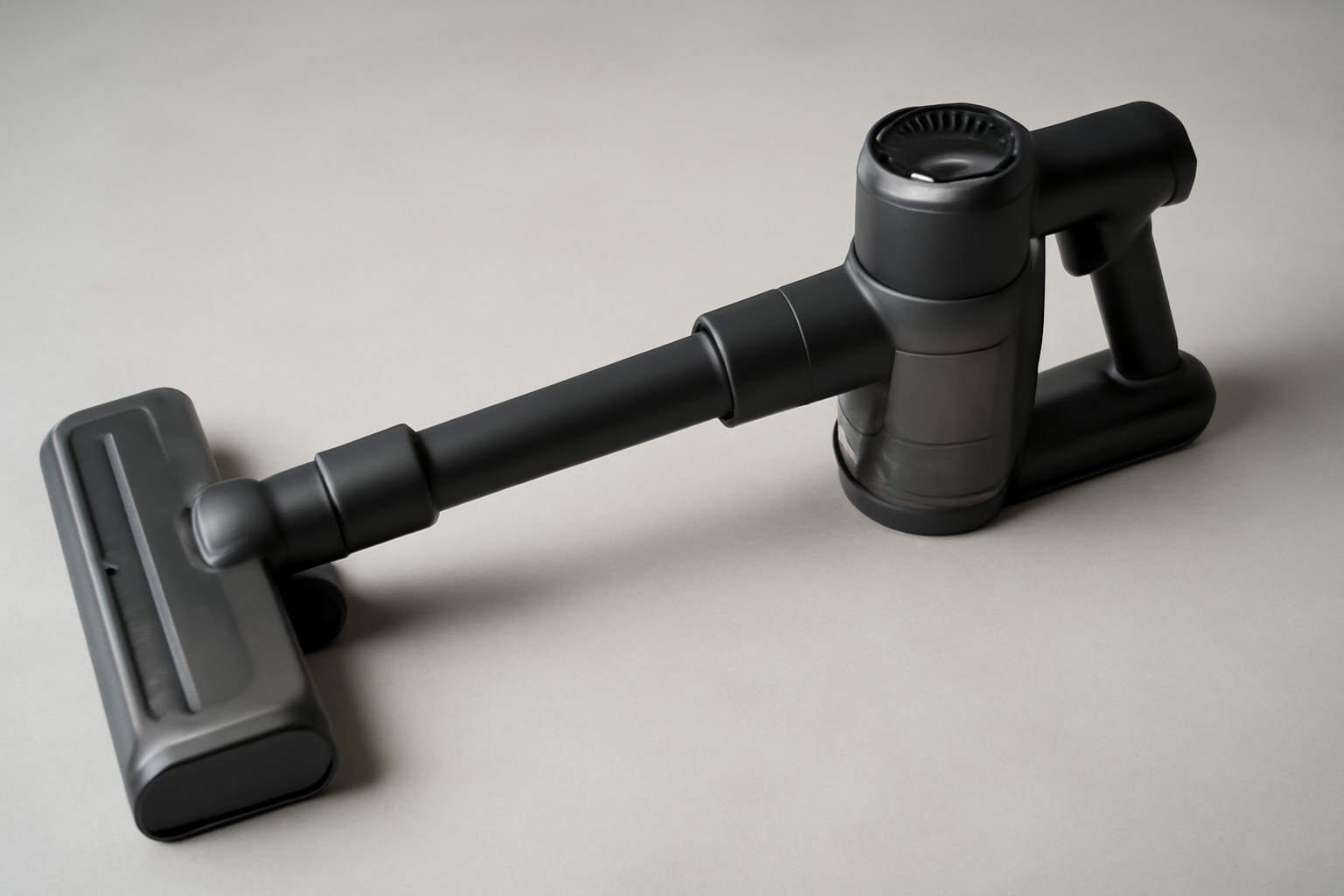
For years, the vacuum cleaner industry was dominated by a handful of premium brands—names that once defined performance, design, and global trust. Yet in the past decade, a quiet but unmistakable trend has taken shape: several top-tier brands have retreated, scaled back, or fully abandoned their vacuum cleaner divisions.
From the outside, the market looks healthier than ever—hygiene awareness is rising, global home-cleaning demand keeps climbing, and both Europe and the Middle East have stable retail growth. So why would the brands with the biggest head start… suddenly walk away?
The truth is deeper and far more strategic than the industry usually admits.
🔧 1. R&D Costs Exploded While Differentiation Collapsed
Fifteen years ago, premium brands dominated through clear technological advantages. Today, the playing field has flattened—aggressively.
ODM Factories Leveled the Technology Gap
High-RPM motors (130,000+ RPM) are now mass-produced in Asia, offering performance once exclusive to premium High Suction Vacuum Cleaner models.
Filtration Patents Expired
HEPA systems, once heavily patented, are now standardized—making HEPA Filter Vacuum Cleaner production accessible even for mid-tier factories.
Battery Technology Standardized
Lithium packs became widely available from multiple stable suppliers.
Outcome:
Big brands spend millions on R&D but end up with performance parity against agile OEM suppliers. The premium advantage disappears.
⏳ 2. Product Life Cycles Shortened — But Consumers Refused Higher Prices
Standard lifespan dropped sharply:
Cordless vacuums now last 2.5–4 years
Batteries degrade by year 3
Motors lose sustainable RPM under heavy use
Brands tried to raise retail prices to protect profit.
Consumers said no.
Meanwhile, factories produced optimized models such as:
Energy-Saving Efficient Powerful Vacuum Cleaner
Apartment Vacuum Cleaner
These delivered better price-performance ratios, shifting demand away from traditional brands.
🔋 3. Battery Degradation Triggered Massive Warranty Costs
Most top-brand vacuum returns are battery-related, not mechanical.
By Year 3:
20% show runtime deterioration
Up to 15% experience complete failure
Premium brands, locked into long warranties, suffered huge losses.
Factories responded with:
modular battery assemblies
universal replacement packs
better thermal management
more stable cell chemistry
Brands paid for battery failures.
Suppliers engineered around them.
🔄 4. Consumer Behavior Shifted Faster Than Brand Strategy
Three rapid trends reshaped expectations:
🔇 Silence Became Mandatory
A Quiet Vacuum Cleaner is no longer optional—especially in EU apartments and UAE residences.
🔋 Cordless Became the Default
Retail demand heavily favors cordless models across all regions.
🧹 Multi-Functionality Became Standard
Consumers expect one device for:
floors
upholstery
vehicles
mattresses
Brands lagged; factories adapted instantly.
🌍 5. Global Supply Chain Risk Outpaced Big Brand Margins
Premium brands suffered from:
volatile lithium costs
EU compliance expenses
container shipping inflation
higher labor costs
multi-country tariff conflicts
But agile factories mitigated risks using:
multi-supplier ecosystems
in-house motor lines
modular component architecture
variant-based BOMs
The economics favored flexible suppliers—leaving traditional brands disadvantaged.
🏢 6. Big Brands Ignored B2B Buyers — A Strategic Miscalculation
This is a major hidden trigger:
**Retail customers were prioritized.
Commercial buyers were ignored.**
But B2B markets (hotels, facility management, real estate, cleaning companies) require:
custom voltage
long-term spare parts
ultra-quiet performance
higher filtration
private labeling
durability over design
Major brands refused to customize. Factories embraced it.
This shifted millions of dollars annually toward OEM/ODM partners.
🚀 7. The New Winners Are Platform-Based, Not Brand-Based
The strongest market players today are:
ODM engineering groups
private-label product platforms
multi-factory supply solutions
high-speed iteration teams
They win because:
⏱ They iterate fast.
30–60 day redesign cycles.
🔧 They customize deeply.
Motor tuning, HEPA upgrades, ERP-ready labeling, multi-suction systems.
📦 They support flexible MOQs.
Starting as low as 300–500 units.
🤝 They co-engineer with buyers.
Especially in Europe and the Middle East.
Brands withdrew.
Platforms advanced.
🌐 8. What This Shift Means for EU & Middle East Buyers Today
Procurement teams, distributors, and engineers should expect:
1. Custom suction platforms as standard
High Suction Vacuum Cleaner designs at reasonable MOQs.
2. Higher price-performance ratios
Especially from Energy-Saving Efficient Powerful Vacuum Cleaner systems.
3. Upgraded filtration
HEPA13/14 adoption becoming widespread.
4. Apartment-oriented compact solutions
Demand rising for Apartment Vacuum Cleaner models.
5. Faster supplier adjustments
BOM changes within weeks.
6. Direct co-development
Buyers influence motors, PCBs, suction channels, filtration modules.
🔱 9. The Industry Is Splitting Into Three Strategic Categories
A. Premium High-Performance Platforms
130,000+ RPM motors
HEPA14 filtration
metal cyclone systems
extended battery cycles
B. Mainstream Cost-Performance Platforms
efficient suction
lightweight architecture
rapid manufacturing
C. Vertical Solutions (B2B)
hotels
facility management
serviced apartments
car detailing
pet households
Buyers who align with these three pillars will dominate regional growth cycles.
🌱 Conclusion: The Market Didn’t Kill Big Brands — The Market Outgrew Them
Premium brands did not fail.
Their operating model did.
The industry moved to:
fast cycles
customization
B2B adaptation
engineering-driven development
modular manufacturing
platform-led ecosystems
Europe and the Middle East now stand at the forefront of this transition—benefiting from flexible supply chains and co-engineered vacuum solutions.
Where legacy brands stepped back, engineering-led platforms stepped forward.
Hashtags
#lanxstar #HighSuctionVacuumCleaner #EnergySavingEfficientPowerfulVacuumCleaner#HEPAFilterVacuumCleaner #ApartmentVacuumCleaner #QuietVacuum #UprightVacuumCleaner
#CordlessVacuumCleaner #HandheldVacuumCleaner #WetDryVacuum #CleaningEquipment#VacuumDistributor #VacuumWholesaler #VacuumImporter #MiddleEastCleaningMarket
#EuropeVacuumMarket #OEMVacuum #ODMVacuum #PrivateLabelVacuum #MotorEngineering#HighRPMMotor #HEPA14 #CordlessCleaning #SmartVacuumDesign #LightweightVacuum
#PowerfulVacuum #CleaningIndustry2025 #FloorCareEquipment #DustSeparationTech#MultiFunctionalVacuum #CarpetCleaningVacuum #CommercialVacuumSolutions
#ApartmentCleaningSolutions #DistributorInsights #BrandRepositioning#CleaningTechInnovation #SupplyChainSolutions #VacuumRAndD #ManufacturingTrends
#GlobalVacuumMarket #MiddleEastDistributors #EUBuyers #ProcurementStrategy#CleaningInnovation #VacuumForHotels #VacuumForApartments #RetailInsights
#ProductDevelopment2025 #EngineeringDrivenDesign



