Hi, message us with any questions.
We're happy to help!





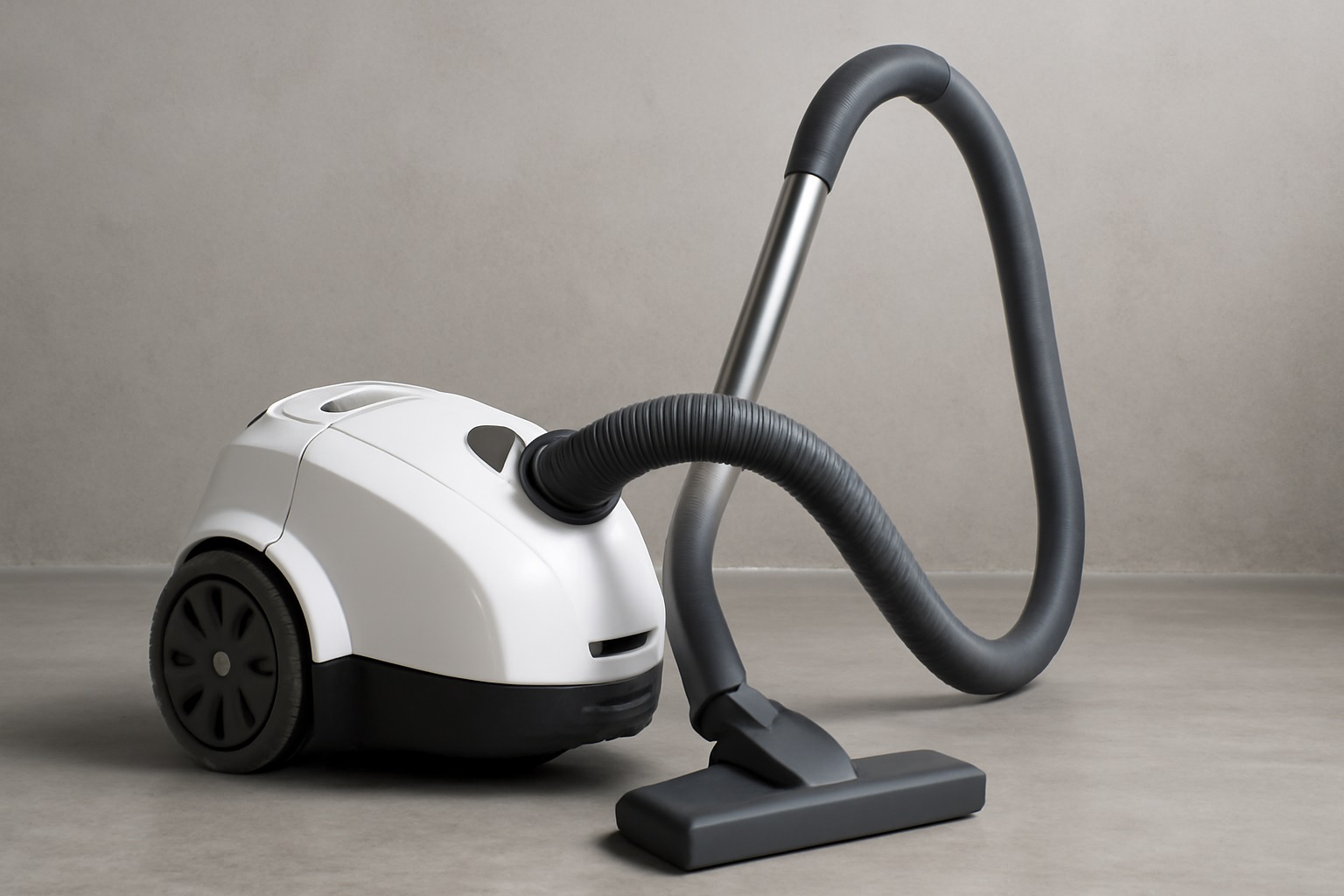
The wholesale distribution of vacuum cleaners in the EU and Middle East (ME) regions has been experiencing dynamic shifts due to evolving consumer preferences, increasing demand for high-tech features, and global supply chain changes. As a distributor, understanding the profit per unit is crucial for assessing the margins and optimizing the pricing strategy for products like household vacuum cleaners, high suction vacuum cleaners, and cordless vacuum cleaners. This article will focus on key factors that influence wholesale margins and offer actionable insights for vacuum cleaner distributors in these regions.
1. Key Factors Affecting Wholesale Margins in the EU & ME Regions
Product Type and Technology Integration
The profit per unit in the vacuum cleaner wholesale market is greatly influenced by the type of product being sold. The demand for energy-saving efficient powerful vacuum cleaners is rising steadily, especially in environmentally-conscious markets like the EU. These models, although typically more expensive to produce, can yield higher margins because consumers are willing to pay a premium for energy-efficient products.
On the other hand, products like car vacuum cleaners and wet-dry vacuum cleaners have different pricing structures and margins. Wet-dry vacuum cleaners are versatile, catering to a broader range of consumers (homeowners, commercial users, etc.), thus potentially allowing for a slightly higher profit margin due to their multi-functional appeal.
Brand vs. Generic Products
The brand also plays a significant role in determining margins. High-end brands like Dyson and Miele are often associated with higher profit margins for distributors due to their strong reputation, which allows for premium pricing. However, generic brands may be more cost-effective in terms of procurement, though they may require larger sales volumes to achieve comparable profits.
Shipping and Logistics Costs
Another critical factor impacting margins is the cost of shipping and logistics. The EU and ME are geographically diverse, and costs can vary significantly depending on local infrastructure, port access, and international shipping rates. As demand for vacuum cleaners continues to grow, especially with a rise in e-commerce sales, distributors need to account for shipping costs when calculating profit margins.
2. Profit Per Unit Analysis for Key Vacuum Cleaner Types
Household Vacuum Cleaners
The household vacuum cleaner market continues to be the cornerstone of the vacuum industry, contributing significant sales volume for distributors in both the EU and ME. These units, typically priced in the mid-range, offer a healthy margin when purchased in bulk. The margin can range from 15% to 25% depending on the model’s technology and brand.
Profit Considerations:
High-end models (e.g., high suction vacuum cleaners) allow for premium pricing but come with higher procurement costs.
Entry-level models provide better margins due to lower upfront costs, but sales volume is crucial.
High Suction Vacuum Cleaners
High suction vacuum cleaners offer a higher margin potential, especially in markets that prioritize performance. These units are sought after in households that value efficiency and powerful cleaning capabilities. Distributors can expect to earn 20% to 30% profit margins on premium high-suction models, as consumers are willing to invest in these top-performing products.
Profit Considerations:
Energy-efficient models: Many high-suction vacuum cleaners are also energy-efficient, which adds to their appeal. These models typically come with higher price tags, giving distributors a chance for more significant profit per unit.
Brand loyalty: High-performance models from well-known brands often allow distributors to maintain higher margins.
Cordless Vacuum Cleaners
Cordless vacuum cleaners have seen a rise in popularity due to their convenience and portability. The EU and ME regions are among the largest markets for cordless vacuum cleaners, with profit margins often ranging from 18% to 28%, depending on the battery life, suction power, and brand.
Profit Considerations:
High demand: Cordless vacuum cleaners are popular for both home and commercial use, which drives up sales and margin potential.
Battery technology: The longer the battery life and the higher the suction power, the more expensive the product, which can boost margins significantly.
Wet-Dry Vacuum Cleaners
The versatility of wet-dry vacuum cleaners makes them attractive to both households and commercial users. These vacuums often command a premium price due to their dual functionality, making them a great option for distributors looking to increase their profit per unit.
Profit Considerations:
Increased demand: The multi-functional appeal of wet-dry vacuums increases their demand in markets like the Middle East, where consumers value multifunctional devices.
Profit Margins: Typically, distributors can expect to earn 25% to 35% profit margins on these units, with higher margins for models that come with advanced features like HEPA filters or longer battery life.
3. Pricing Strategies for Maximizing Profit Margins
To optimize profit per unit, distributors in the EU and ME regions must adopt smart pricing strategies:
Premium Pricing for High-End Models
Distributors should price high suction vacuum cleaners and energy-saving efficient powerful vacuum cleaners at a premium, particularly when targeting consumers who prioritize performance and energy savings. These models can command higher margins, particularly in eco-conscious regions like Europe, where consumers are increasingly looking for sustainable, high-performance products.
Bulk Discounts for Larger Orders
Given that vacuum cleaner distributors often operate on a wholesale model, offering bulk discounts can drive larger orders. For example, distributors can offer 10% to 15% discounts for bulk purchases, ensuring that while the unit profit margin may decrease slightly, the volume will make up for it. This can be especially effective in commercial sales or sales to large retail chains.
Value-Based Pricing for Wet-Dry Vacuum Cleaners
For wet-dry vacuum cleaners, pricing should reflect the product's versatility. A value-based pricing strategy can be beneficial here, where the price reflects the value the product brings to the consumer. In the case of multi-functional vacuums, distributors can justify higher pricing due to their capability to handle a wider range of tasks, thus providing added value.
4. Key Considerations for Distributors in the EU & ME Markets
EU Market Trends
The EU market is increasingly focused on eco-friendly products, with rising interest in energy-saving vacuum cleaners. Distributors that prioritize energy-efficient models can tap into this growing demand and secure higher margins. Moreover, cordless vacuum cleaners are also gaining popularity due to their convenience and portability, making them a strong contender for higher profit margins.
Middle East Market Trends
In the Middle East, there is growing demand for multi-functional wet-dry vacuum cleaners, especially in the commercial and construction sectors. Additionally, car vacuum cleaners are in high demand due to the region’s climate and the importance of keeping vehicles clean in sandy environments.
Conclusion: Maximizing Wholesale Profit Per Unit
To maximize profit per unit, vacuum cleaner distributors in the EU and ME regions must consider a combination of factors such as product type, technology integration, brand strength, and pricing strategy. By focusing on high-margin products like energy-saving efficient vacuum cleaners, high suction vacuum cleaners, and cordless vacuum cleaners, distributors can significantly enhance their profitability.
Strategic partnerships with manufacturers, bulk buying to reduce costs, and adapting pricing models to consumer preferences in each region will ensure that distributors stay competitive and profitable in the dynamic vacuum leaner market.
Hashtags
HouseholdVacuumCleaners, HighSuctionVacuumCleaner, CordlessVacuumCleaner, WetDryVacuumCleaners, EnergySavingEfficientVacuum, CarVacuumCleaner, VacuumWholesale, ProfitMargins, VacuumDistribution, EUVacuumMarket, MEVacuumMarket, WholesaleVacuum, VacuumProfitPerUnit, BulkVacuumSales, CommercialVacuum, VacuumPricingStrategies, VacuumBusinessInsights, VacuumDemandTrends, VacuumMarginOptimization, VacuumSupplierPartnerships.



