Hi, message us with any questions.
We're happy to help!





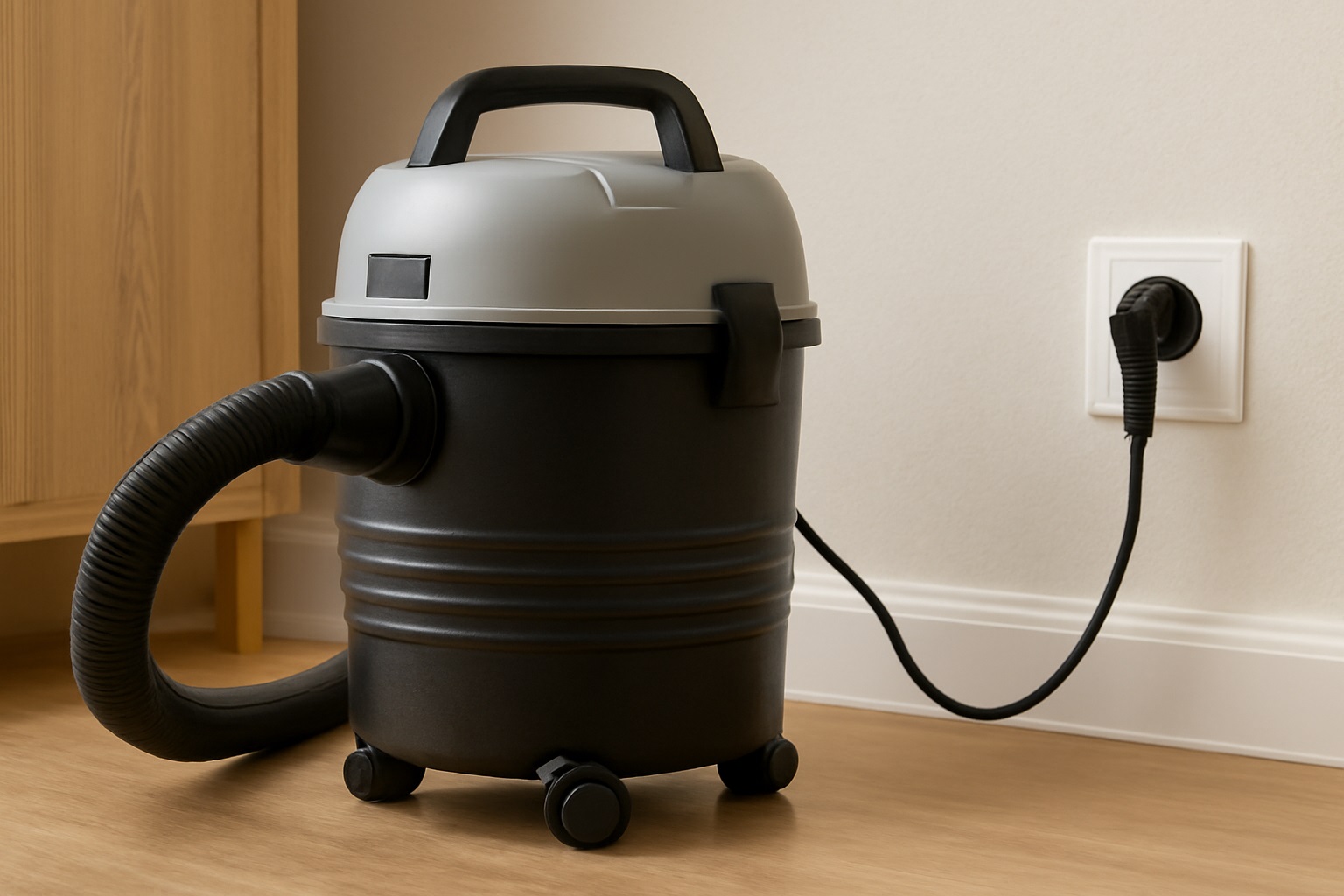
🌍 1. Understanding Global Voltage and Plug Standards
When exporting barrel vacuums internationally, understanding the voltage and plug standards of the destination country is crucial. Different countries use varying voltage levels and plug types, which can affect the vacuum cleaner's performance, safety, and compatibility. Ensuring that your product is compatible with local standards is essential to avoid equipment malfunctions or customer dissatisfaction.
Voltage Standards:
Voltage Converters: If your vacuum is designed for 220V but you’re exporting to a 110V country, a voltage converter is required. However, many modern vacuums are designed to be dual voltage, handling both 110V and 220V with ease.
Countries like North America and Japan use 110-120V, while regions such as Europe, Africa, and most of Asia use 220-240V. For example, Germany, France, and the UK have different voltage standards, so it’s vital to ensure your vacuum cleaner can work seamlessly across these markets.
What to Consider:
Plug Standards:
Plug types also differ widely. North America uses Type A and Type B plugs, while Europe uses Type C, Type E, or Type F, and the UK has its own Type G plug. Understanding these variations helps you ensure that your product is ready for use as soon as it reaches the customer.
What to Consider:
Ensure that your vacuum is either dual voltage or comes with a plug adapter suited to the destination country. For example, if you're exporting to the Middle East, you might need to provide an adapter for countries like Saudi Arabia (Type G) or UAE (Type C).
⚡ 2. Energy Efficiency: Navigating Voltage Standards for Energy-Saving Vacuums
When exporting Energy-Saving Efficient Powerful Vacuum Cleaners, it’s important to account for how different voltages may impact the energy efficiency of the appliance.
How Voltage Affects Power Consumption:
110V appliances generally consume more power to achieve the same suction as a vacuum designed for 220V, which could affect energy savings in certain markets.
220V vacuums run more efficiently, meaning they consume less power for the same performance, which could be an advantage in countries that focus on energy efficiency like those in Europe.
What to Consider:
Ensure that your vacuum cleaner complies with local energy standards. Countries like Germany and France have stringent regulations on energy efficiency, and EU Energy Labels are required for many appliances.
When exporting to North America, the Energy Star label is highly recognized and often required.
🏠 3. Cordless Vacuum Cleaners and International Charging Standards
Cordless Vacuum Cleaners have become increasingly popular globally, but the charging systems in these vacuums can be complicated when exporting them to different regions.
Battery Charging Considerations:
Many modern cordless vacuums come with dual voltage chargers (110V-240V), allowing the user to charge the vacuum cleaner anywhere in the world without needing a voltage converter.
Cordless vacuums typically come with charging stations, which can be voltage-specific. A 110V vacuum may have a charger incompatible with the 220V standard, and vice versa.
What to Consider:
Plug Adapters for Chargers:
When exporting cordless vacuums, it’s crucial to ensure the charging base is compatible with the plug type of the destination market. For instance, exporting to South Africa (Type M) or Australia (Type I) requires the correct adapter or a product-specific charger.
Interactive Tip:
Have you encountered challenges with exporting cordless vacuums in the past? Let us know in the comments or reach out directly if you need more information on international plug adapters and voltage converters for cordless vacuums.
🧼 4. HEPA Filter Vacuum Cleaners and Global Health & Safety Standards
HEPA filters are essential for improving air quality and capturing fine dust particles, especially in homes with pets or regions with high levels of dust and pollution. However, different countries have varying standards for air quality and health & safety regulations.
What to Consider:
HEPA Filter Standards: Ensure your HEPA filter vacuum cleaner complies with international standards such as HEPA H13 or HEPA H14 filters for air filtration efficiency. Some regions, like Europe, have very strict regulations regarding filter performance, especially in areas with high air pollution or allergens.
Product Certifications: Countries like the US and Japan require UL, ETL, or PSE safety certifications for electrical appliances. These certifications ensure that your vacuum complies with local safety standards, preventing safety hazards and enhancing customer trust.
Real-Life Example:
The US and EU markets often require products to be tested for safety and energy efficiency, and ensuring your vacuum has Energy Star and CE markings is crucial for smooth international sales.
🌪 5. Wet and Dry Vacuum Cleaners: Versatility Across Regions
Wet and dry vacuums are particularly popular in regions with varying climates or environments, such as Middle Eastern countries with sandstorms or European areas with frequent rain.
What to Consider:
Wet and dry vacuums are used in both dry environments (for sand, dust, and debris) and wet environments (for spills or damp messes). It’s essential to ensure the vacuum’s motor and electrical components are waterproof and comply with safety standards.
Voltage and Plug Considerations: Ensure that your wet and dry vacuum cleaner is compatible with local water-resistant standards, especially for countries with high humidity or frequent wet weather.
Interactive Tip:
Are you exporting wet and dry vacuums to areas with extreme weather conditions? Share your experiences with us in the comments or get in touch for personalized advice on ensuring compliance with local electrical safety standards.
Conclusion: Key Considerations When Exporting Barrel Vacuums Internationally
When exporting barrel vacuums internationally, it’s essential to understand the voltage, plug, and certification standards of the destination country. Whether exporting Upright Vacuum Cleaners, Cordless Vacuum Cleaners, HEPA Filter Vacuums, or Wet and Dry Vacuums, ensure your product meets local requirements for safety, performance, and energy efficiency. Taking these factors into account will help avoid complications, reduce return rates, and increase customer satisfaction in international markets.
Hashtags:
UprightVacuumCleaners, HouseholdVacuumCleaners, EnergySavingEfficientVacuumCleaner, CordlessVacuumCleaner, HEPAFilterVacuumCleaner, WetAndDryVacuumCleaner, InternationalVacuumExport, GlobalVacuumSolutions, ExportingVacuumCleaners, DualVoltageVacuum, EnergyEfficientVacuum, CordlessVacuum, HEPAFilterTechnology, GlobalCleaningSolutions, VacuumForPetHair, WetDryVacuumCleaner, InternationalVacuumSafety, VacuumAdaptation, PlugAdaptation, VacuumForGlobalMarkets, InternationalCertifications, ExportVacuumCleaners, HomeCleaningSolutions, VacuumForAllRegions, Lanxstar.



